The Growing Importance of Medical Endoscopy in Healthcare
Medical endoscopy has become one of the most important technologies in modern hospitals.
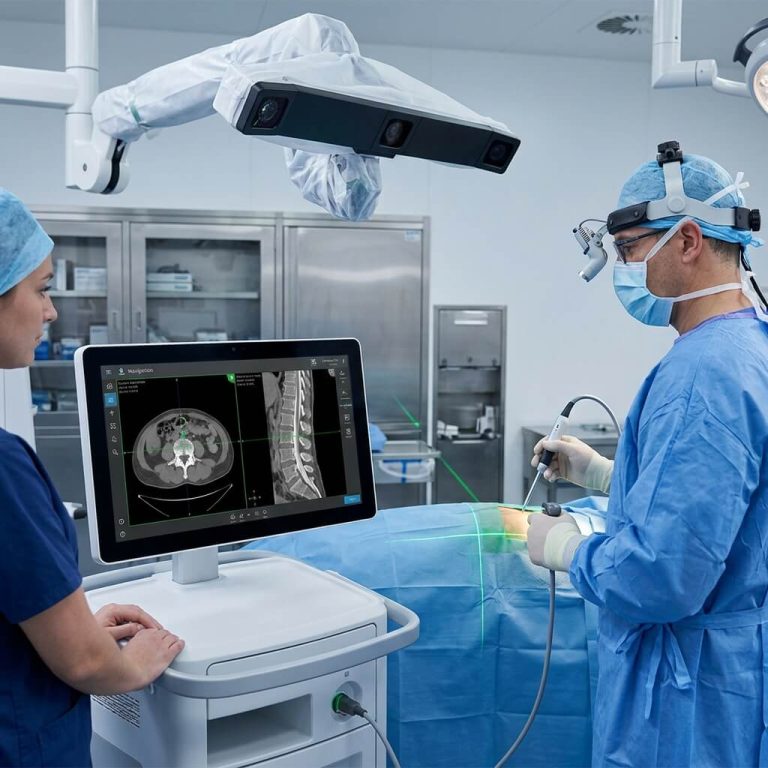
With the development of minimally invasive surgery, endoscope systems allow doctors to diagnose diseases and perform complex procedures through small openings instead of traditional large surgical incisions.
Compared with conventional surgery, endoscopic procedures provide many advantages:
- Smaller incisions
- Less patient trauma
- Faster recovery
- Reduced hospital stay
- Improved surgical precision
Today, medical endoscope systems are widely used in multiple departments, including:
- General surgery
- ENT
- Orthopedics
- Gynecology
- Urology
- Gastroenterology
- Neurosurgery
For hospitals planning to purchase endoscopy equipment, understanding different clinical applications is essential.
This guide explains the most common medical endoscope applications and helps healthcare buyers choose the right endoscopy solution.
1. Laparoscopic Surgery Endoscope System
What Is Laparoscopic Endoscopy?
Laparoscopy is one of the most common applications of rigid endoscopy.
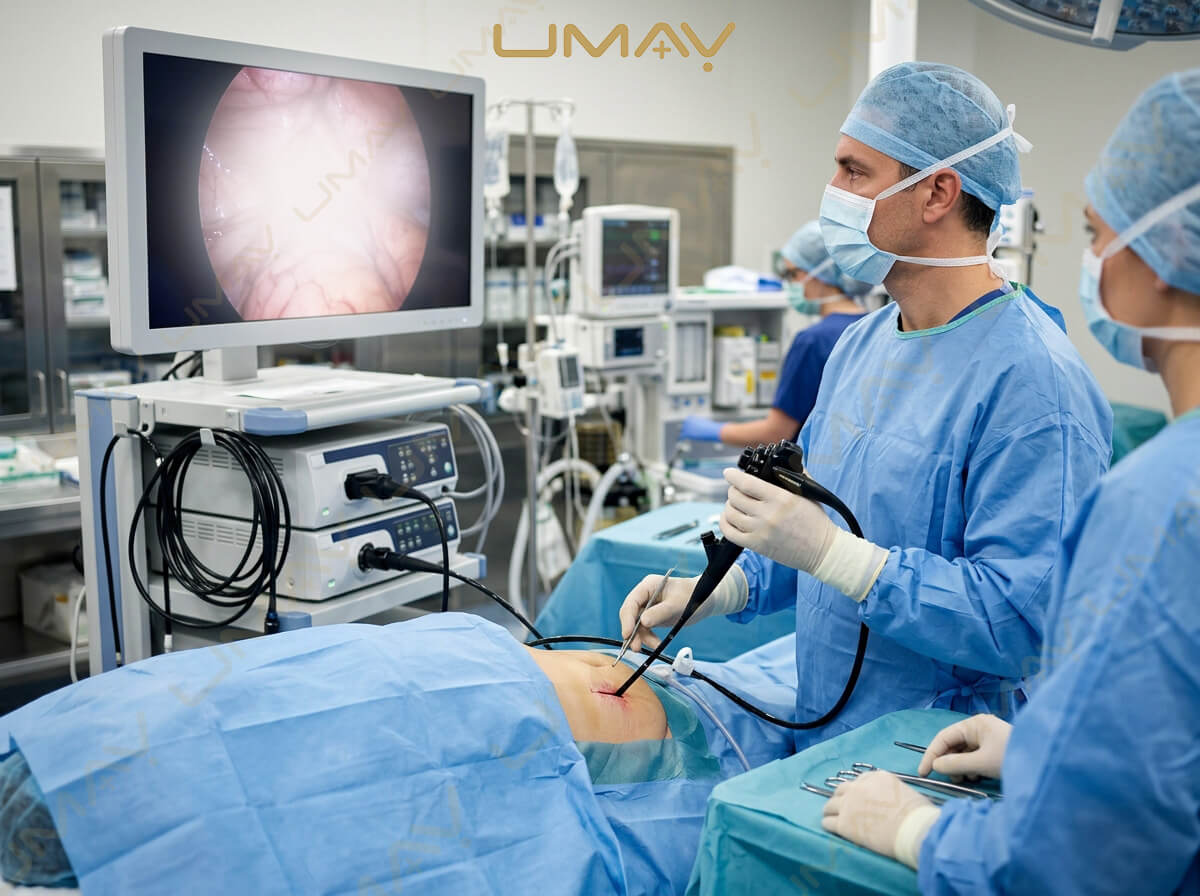
A laparoscopic endoscope allows surgeons to view abdominal organs through small incisions.
The system usually includes:
- Laparoscope
- HD or 4K camera system
- LED light source
- Medical monitor
- Surgical instruments
Common Laparoscopic Procedures
Laparoscopic endoscopy is used for:
- Gallbladder surgery
- Appendectomy
- Hernia repair
- Bariatric surgery
- Gynecological procedures
Advantages of Laparoscopic Endoscope Systems
Benefits include:
✔ Minimally invasive surgery
✔ Reduced bleeding
✔ Faster recovery
✔ Better visualization
For modern hospitals, a high-definition laparoscopic endoscope system has become an essential surgical equipment solution.
2. ENT Endoscope System (Ear, Nose and Throat)
What Is an ENT Endoscope?
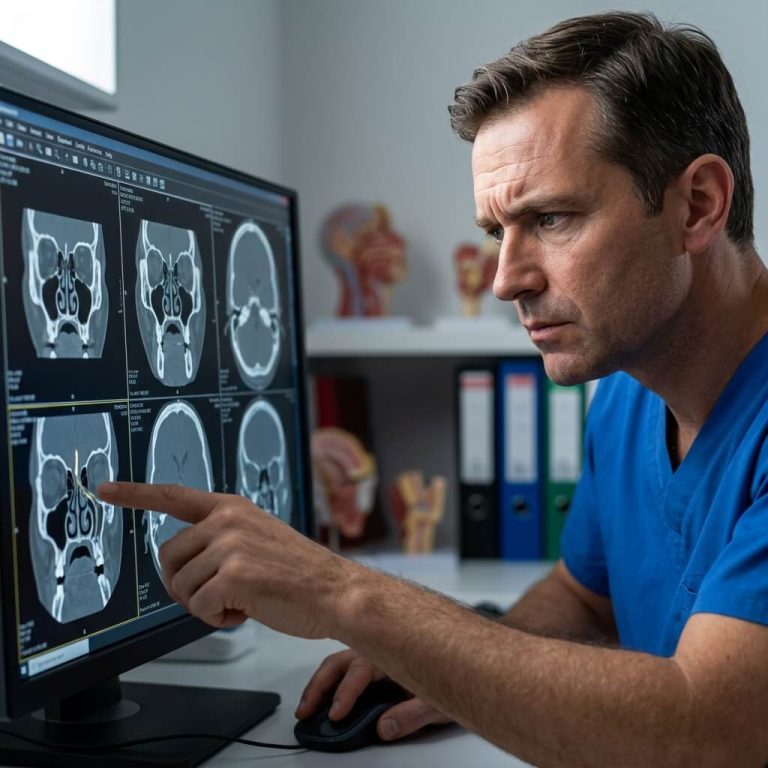
An ENT endoscope is designed for examination and treatment of ear, nose, and throat conditions.
ENT endoscopy provides doctors with clear visualization of narrow anatomical areas.
Common ENT applications include:
- Nasal examination
- Sinus surgery
- Ear inspection
- Throat diagnosis
Advantages of ENT Endoscopy
ENT endoscope systems provide:
- High-resolution images
- Better diagnosis accuracy
- Minimally invasive procedures
- Improved patient comfort
Modern ENT departments often use:
- HD endoscope cameras
- LED light sources
- Medical monitors
3. Arthroscopy System for Orthopedic Surgery
What Is Arthroscopy?
Arthroscopy is a minimally invasive orthopedic procedure that uses an endoscope to examine and treat joints.
The arthroscope is inserted into the joint through a small incision.
Common Arthroscopy Applications
Used for:
- Knee surgery
- Shoulder surgery
- Sports injuries
- Joint repair
Benefits of Arthroscopy Endoscopy
Advantages include:
- Smaller surgical wounds
- Faster rehabilitation
- Better visualization inside joints
Orthopedic hospitals commonly choose rigid arthroscopy systems because of their excellent optical quality.
4. Urology Endoscope System
What Is Urological Endoscopy?
Urology endoscopy allows doctors to examine and treat conditions affecting the urinary system.
Applications include:
- Kidney stone treatment
- Bladder examination
- Urinary tract procedures
Common Urology Endoscopy Equipment
Includes:
- Cystoscope
- Ureteroscope
- Surgical camera system
- Light source
Benefits
Urological endoscopy provides:
- Accurate diagnosis
- Minimally invasive treatment
- Reduced patient recovery time
5. Gynecology Endoscopy System
What Is Gynecological Endoscopy?
Gynecological endoscopy is widely used for female reproductive system diagnosis and surgery.
Common systems include:
- Hysteroscope
- Laparoscopic system
Applications
Used for:
- Uterine examination
- Fibroid treatment
- Infertility diagnosis
- Minimally invasive gynecological surgery
Advantages
Gynecology endoscopy helps doctors:
- Improve diagnosis accuracy
- Reduce surgical trauma
- Shorten recovery time
6. Gastrointestinal Endoscopy System
What Is Gastrointestinal Endoscopy?
Gastrointestinal endoscopy uses flexible endoscopes to examine the digestive system.
It is one of the most widely used endoscopy applications worldwide.
Common procedures:
- Gastroscopy
- Colonoscopy
- Digestive tract examination
Benefits
GI endoscopy helps doctors:
- Detect diseases early
- Perform biopsies
- Remove certain lesions
Flexible endoscope technology continues improving with:
- HD imaging
- Digital enhancement
- Better patient comfort
7. Bronchoscopy System
What Is Bronchoscopy?
Bronchoscopy is an endoscopic procedure used to examine the respiratory system.
A bronchoscope allows doctors to view:
- Airways
- Bronchi
- Lung structures
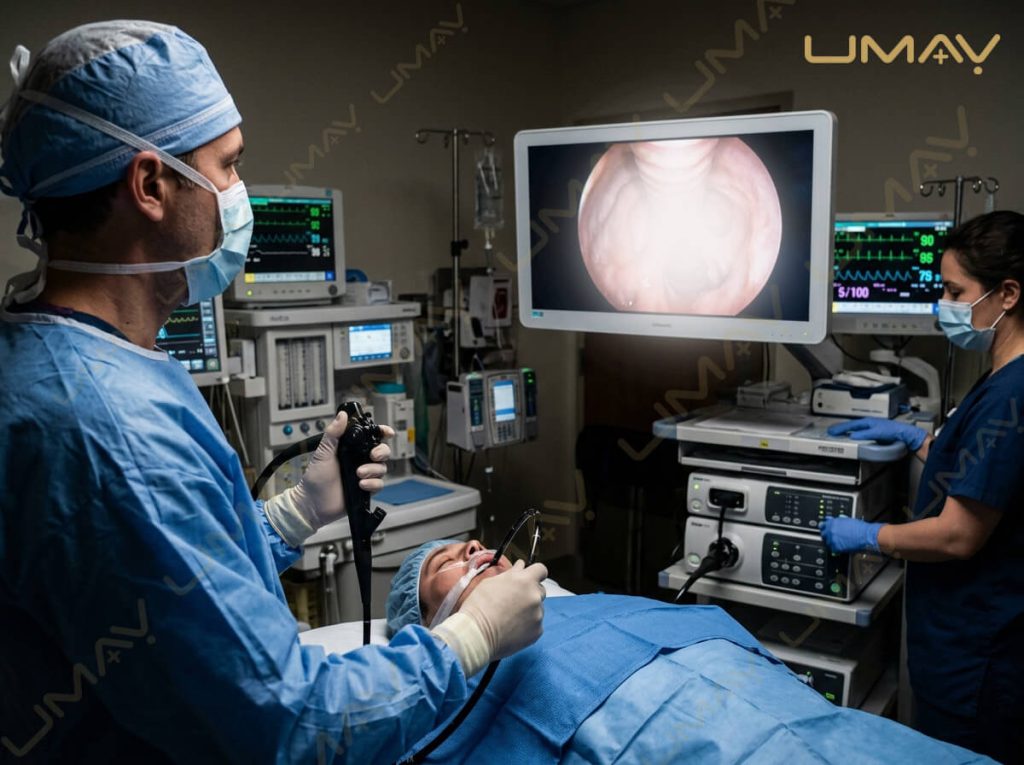
Medical team performing a bronchoscopy procedure using a flexible endoscope tower system with high-definition display monitor.
Clinical Applications
Used for:
- Lung disease diagnosis
- Airway obstruction examination
- Tissue sampling
Advantages
Bronchoscopy provides:
- Real-time visualization
- Accurate diagnosis
- Minimally invasive examination
8. Neurosurgery Endoscope System
Endoscopy in Neurosurgery
Modern neurosurgery increasingly uses endoscopic technology for precise procedures.
Applications include:
- Brain ventricular surgery
- Skull base surgery
- Minimally invasive approaches
Benefits
Neurosurgical endoscopy provides:
- Smaller access points
- Better visualization
- Reduced surgical trauma
9. Veterinary Endoscopy Applications
Medical endoscopy technology is also widely used in veterinary medicine.
Applications include:
- Animal diagnosis
- Veterinary surgery
- Dental procedures
- Gastrointestinal examination
Veterinary clinics increasingly require:
- Compact endoscope systems
- HD imaging
- Reliable surgical equipment
10. Operating Room Integrated Endoscopy Solution
Modern hospitals are moving toward integrated operating rooms.
An advanced endoscopy solution may combine:
- Surgical camera systems
- Medical monitors
- Recording systems
- Operating room equipment
Benefits:
- Better workflow
- Improved communication
- Digital documentation
- Higher surgical efficiency
How Hospitals Choose the Right Endoscope System?
When selecting endoscopy equipment, hospitals should consider:
Clinical Department Requirements
Different departments require different systems.
Example:
| Department | Recommended Endoscope |
|---|---|
| General Surgery | Laparoscope |
| ENT | ENT Endoscope |
| Orthopedics | Arthroscope |
| Urology | Cystoscope/Ureteroscope |
| Gynecology | Hysteroscope |
| Gastroenterology | Flexible Endoscope |
Image Quality Requirements
Hospitals should evaluate:
- HD vs 4K resolution
- Camera performance
- Monitor quality
- Image processing
Supplier Support
A professional endoscope manufacturer should provide:
- Installation
- Training
- Spare parts
- Technical service
Why Choose UMY Medical Endoscopy Solutions?
UMY Medical Equipment Co., Ltd. provides comprehensive medical equipment solutions for hospitals, clinics, and international distributors.
With professional manufacturing experience and global healthcare cooperation, UMY Medical focuses on delivering reliable medical imaging and surgical equipment.
Our solutions support:
- Surgical departments
- Minimally invasive procedures
- Hospital operating rooms
- Medical distributors
UMY Medical combines manufacturing capability, quality management, and international service experience to help healthcare organizations build advanced medical facilities.
Frequently Asked Questions
Q1: What is an endoscope used for?
An endoscope is used to examine internal body structures and assist doctors in minimally invasive diagnosis and surgery.
Q2: Which departments use endoscope systems?
Endoscopes are used in:
- Surgery
- ENT
- Orthopedics
- Gynecology
- Urology
- Gastroenterology
Q3: What is the most common surgical endoscope?
Laparoscopic endoscopes are among the most commonly used surgical endoscopy systems.
Q4: Why do hospitals use HD endoscope systems?
HD endoscope systems provide clearer images, better visualization, and improved surgical accuracy.
Conclusion
Medical endoscope systems have become essential equipment in modern hospitals.
From laparoscopic surgery and ENT procedures to urology, gynecology, and orthopedic applications, endoscopy technology helps doctors perform safer and more effective minimally invasive procedures.
For hospitals and healthcare providers, selecting the right endoscope system depends on clinical requirements, image quality, supplier capability, and long-term service support.
A professional medical endoscope solution is not only an investment in equipment—it is an investment in better diagnosis, improved surgical outcomes, and future healthcare development.