Where Are Medical Fiberscopes Used?
A medical fiberscope can be used wherever clinicians need to see internal anatomy through a narrow or curved pathway.
The most common specialties include:
| Specialty | Common Fiberscope |
|---|---|
| Pulmonology | Flexible bronchoscope |
| Anesthesiology | Airway fiberscope |
| ENT | Nasopharyngoscope / laryngoscope |
| Urology | Cystoscope / ureteroscope |
| Gastroenterology | Gastroscope / GI endoscope |
| Gynecology | Hysteroscope |
| Pediatrics | Pediatric fiberscope |
Searchers may use different terms for the same general technology:
- Medical fiberscope applications
- Fiberoptic endoscope uses
- Flexible fiberscope uses
- Medical fiber scope applications
- Fiberoptic scope applications
- Flexible endoscope applications
- Medical endoscopy applications
Rather than looking only at the word “fiberscope,” it is more useful to connect the scope with the clinical specialty and anatomical target.
2. Medical Fiberscope for Bronchoscopy
What Is a Bronchoscopy Fiberscope?
A fiberoptic bronchoscope is a flexible scope designed to visualize the trachea and bronchial tree.
It is one of the most established applications of flexible fiberoptic technology.
Common search terms include:
- Fiberoptic bronchoscope
- Flexible bronchoscope
- Flexible fiberoptic bronchoscope
- Bronchoscopy fiberscope
- Bronchoscope endoscope
- Airway fiberscope
- Flexible airway endoscope
- Medical bronchoscope
Flexible bronchoscopy is used in pulmonary medicine for both diagnostic and selected therapeutic purposes. Clinical references describe applications such as airway visualization, bronchoalveolar lavage, brushing, biopsy and removal of secretions or foreign material where appropriate.
3. Diagnostic Bronchoscopy Applications
One of the main uses of a flexible bronchoscope is direct airway examination.
Depending on the clinical indication, a bronchoscope may be used to examine:
- Trachea
- Main bronchi
- Segmental bronchi
- Airway mucosa
- Areas of suspected abnormality
Common SEO keywords include:
- Bronchoscopy diagnostic uses
- Flexible bronchoscopy applications
- Airway examination scope
- Bronchoscope for lung examination
- Fiberoptic airway examination
- Flexible bronchoscope for diagnosis
- Respiratory endoscopy
4. Bronchoscopy for Sampling and Biopsy
Some flexible bronchoscopes incorporate a working channel that permits compatible instruments to reach the target area.
Depending on the device and procedure, clinicians may perform:
- Bronchoalveolar lavage
- Bronchial brushing
- Tissue sampling
- Transbronchial biopsy
- Needle-based sampling with compatible equipment
Related searches include:
- Bronchoscopy biopsy
- Fiberoptic bronchoscope biopsy
- Bronchoscopy sampling
- Bronchial brushing
- Bronchoalveolar lavage bronchoscope
- Bronchoscopy working channel
The exact procedure and accessory selection depend on the clinical indication and the device’s intended use.
5. Medical Fiberscope for Airway Management
An important application outside pulmonology is airway management.
Healthcare professionals may search for:
- Fiberoptic intubation scope
- Fiberoptic intubation fiberscope
- Flexible intubation scope
- Airway management fiberscope
- Difficult airway fiberscope
- Fiberoptic airway scope
- Intubation endoscope
- Flexible airway endoscope
A flexible optical scope can provide direct visualization during selected airway-management workflows.
Its flexibility can be useful when a conventional straight-line view is difficult.
6. Fiberoptic Intubation
Fiberoptic intubation is an important long-tail keyword cluster.
Potential searches include:
- Fiberoptic intubation
- Fiberoptic intubation scope
- Flexible fiberoptic intubation
- Fiberoptic airway management
- Intubation fiberscope
- Fiberoptic laryngoscopy for intubation
For hospitals purchasing an airway fiberscope, specifications such as:
- Outer diameter
- Working length
- Tip deflection
- Image quality
- Handling
- Compatibility
can be more important than a generic product description.
7. Medical Fiberscope Applications in ENT
ENT is one of the most important application areas for flexible fiberoptic endoscopy.
Common keywords include:
- ENT fiberscope
- ENT fiberoptic endoscope
- Flexible ENT endoscope
- ENT flexible scope
- Fiberoptic ENT scope
- Nasal fiberscope
- Throat fiberscope
- Flexible laryngoscope
- Nasopharyngoscope
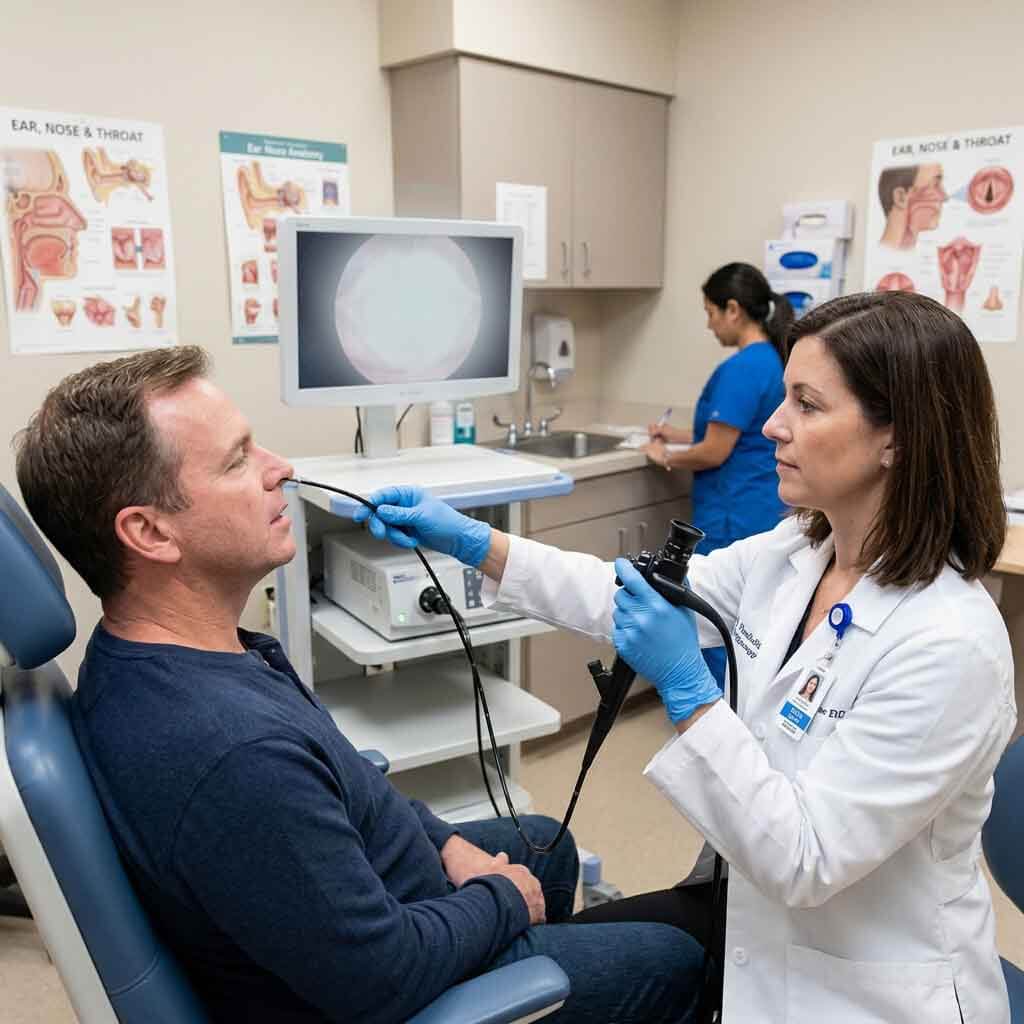
Flexible nasopharyngoscopy is used to examine the nose, throat and airway, and is a standard diagnostic examination within ENT practice.
8. Flexible Nasopharyngoscopy Applications
A flexible nasopharyngoscope can be used to visualize areas such as:
- Nasal cavity
- Nasopharynx
- Oropharyngeal region
- Hypopharynx
- Larynx
- Vocal-cord region
Search terms include:
- Flexible nasopharyngoscopy
- Fiberoptic nasopharyngoscopy
- Flexible nasal endoscopy
- Nasopharyngoscope uses
- Fiberoptic nasal scope
- Nasal endoscope
- Flexible nasolaryngoscope
- ENT diagnostic scope
Flexible nasopharyngoscopy is also used when clinicians need to examine an area that is otherwise difficult to access or visualize directly.
9. Flexible Laryngoscope Applications
A flexible laryngoscope allows examination of the laryngeal region.
Related keywords:
- Flexible laryngoscope
- Fiberoptic laryngoscope
- Flexible fiberoptic laryngoscope
- Laryngeal fiberscope
- Flexible throat scope
- Voice examination endoscope
Potential examination areas include:
- Larynx
- Vocal folds
- Hypopharynx
- Upper airway
The exact procedure depends on the medical indication.
10. ENT Applications by Patient Type
Flexible ENT scopes may be used with:
- Adults
- Cooperative children
- Pediatric patients
- Selected infants
Scope diameter becomes especially important in pediatric applications.
Search keywords include:
- Pediatric nasopharyngoscope
- Pediatric ENT fiberscope
- Small diameter ENT endoscope
- Pediatric flexible laryngoscope
Smaller patient anatomy may require specially designed smaller-diameter instruments.
11. Medical Fiberscope for Urology
Urology is another major area for flexible endoscopy.
Common keywords include:
- Urology fiberscope
- Flexible urology endoscope
- Fiberoptic urology scope
- Flexible urinary endoscope
- Urology flexible scope
- Medical cystoscope
Two important product categories are:
Flexible cystoscope
and
Flexible ureteroscope.
12. Flexible Cystoscopy
A flexible cystoscope is used to examine the urinary tract, particularly the bladder and urethral region.
Common searches:
- Flexible cystoscope uses
- Flexible cystoscopy
- Fiberoptic cystoscope
- Bladder fiberscope
- Flexible bladder scope
- Urology cystoscope
- Fiber cystoscope
Depending on the clinical situation, cystoscopy can be used to investigate urinary symptoms, hematuria and abnormalities of the lower urinary tract.
For medical equipment buyers, important specifications can include:
- Outer diameter
- Working length
- Deflection
- Field of view
- Working channel
- Image quality
13. Flexible Ureteroscope Applications
A flexible ureteroscope is designed to access the ureter and upper urinary tract.
Common keywords:
- Flexible ureteroscope
- Fiberoptic ureteroscope
- Flexible ureteroscopy
- Ureteroscopy scope
- Renal fiberscope
- Flexible kidney stone scope
- Upper urinary tract endoscope
Flexible ureteroscopy is widely used for upper urinary tract disorders, particularly kidney and ureteral stones. Recent reviews describe continuing development of flexible ureteroscopy, including smaller scopes, improved deflection, suction technologies and new laser-related workflows.
14. Flexible Ureteroscope for Kidney Stones
One of the strongest SEO clusters is:
- Flexible ureteroscope kidney stones
- Ureteroscopy for kidney stones
- Flexible scope for renal stones
- Kidney stone endoscope
- Flexible renal endoscope
- Laser lithotripsy ureteroscope
Modern flexible ureteroscopy can support selected stone-management procedures by providing access through the urinary tract.
The scope may be combined with compatible accessories and lithotripsy systems depending on the clinical workflow.
15. Gastrointestinal Fiberscope Applications
Another application category is gastrointestinal endoscopy.
Common keywords:
- Gastrointestinal fiberscope
- GI fiberscope
- Fiberoptic gastroscope
- Flexible gastroscope
- GI endoscope
- Gastrointestinal endoscope
- Flexible digestive endoscope
A gastrointestinal scope is designed differently from a bronchoscope or ENT scope because it needs to navigate the digestive tract and may require a different combination of:
- Diameter
- Working length
- Deflection
- Working channel
- Optical characteristics
This is why a general “flexible endoscope” is not automatically interchangeable between specialties.
16. Upper GI Endoscopy
Searchers may use:
- Upper GI endoscope
- Gastroscopy scope
- Flexible gastroscope
- Fiberoptic gastroscope
- Upper gastrointestinal fiberscope
Depending on the equipment configuration and intended use, upper GI endoscopy may support:
- Direct visualization
- Tissue sampling
- Selected therapeutic procedures
The scope’s working channel is an important consideration when instruments must be introduced through the endoscope.
17. Gynecology and Hysteroscopy
Gynecology uses specialized endoscopic instruments such as hysteroscopes.
Common keywords:
- Gynecology fiberscope
- Gynecological endoscope
- Hysteroscope
- Flexible hysteroscope
- Fiberoptic hysteroscope
- Hysteroscopy equipment
- Gynecology endoscopy
A hysteroscope is specifically designed to visualize the uterine cavity and should not be treated as a generic-purpose medical fiberscope.
For procurement, buyers should evaluate:
- Scope diameter
- Viewing direction
- Working channel
- Distal optics
- Deflection
- Associated equipment
18. Medical Fiberscope in Pediatric Applications
Pediatric endoscopy creates additional equipment considerations because anatomical dimensions are smaller.
Relevant keywords include:
- Pediatric fiberscope
- Pediatric flexible endoscope
- Pediatric bronchoscope
- Pediatric airway scope
- Pediatric ENT fiberscope
- Small diameter fiberscope
- Pediatric flexible bronchoscope
In pediatric respiratory medicine, smaller-diameter bronchoscopes can provide access while maintaining appropriate visualization and instrument functionality. The available working channel generally becomes smaller as the overall scope diameter decreases.
Therefore, buyers should evaluate diameter and working-channel requirements together.
19. Medical Fiberscope Applications in Emergency Medicine
Portable and flexible endoscopic equipment can also be relevant in emergency and acute-care settings.
Potential applications include:
- Airway examination
- Difficult-airway management
- Foreign-body assessment
- Selected respiratory procedures
Related keywords:
- Emergency fiberscope
- Emergency airway scope
- Portable fiberscope
- Emergency bronchoscope
- Flexible airway endoscope
For emergency environments, portability, rapid setup, ease of cleaning and reliable image transmission may become important procurement considerations.
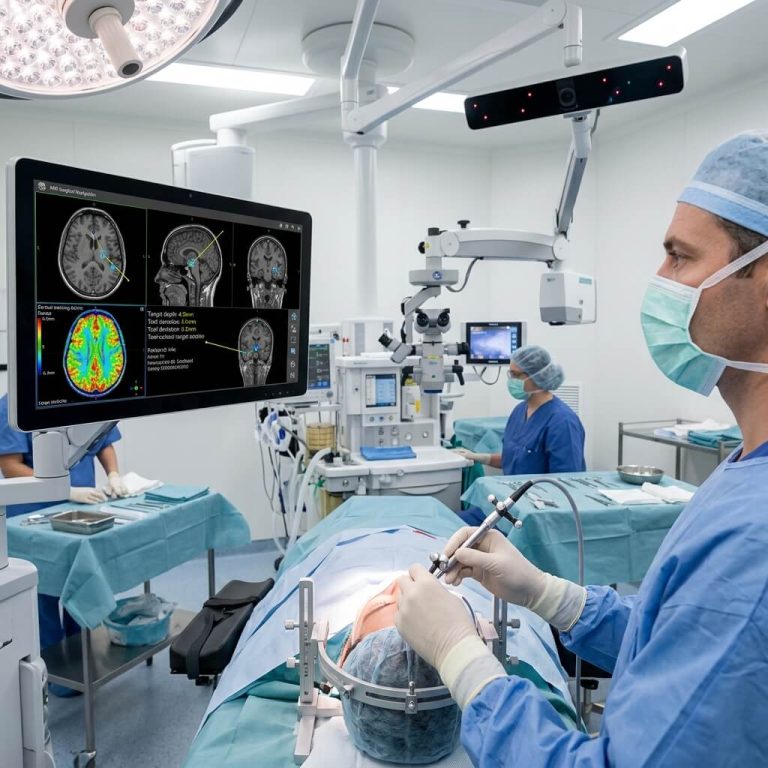
20. Medical Fiberscope in the Operating Room
The operating room may require several types of endoscopic equipment.
Potential requirements include:
- Airway scopes
- Bronchoscopes
- ENT scopes
- Urology endoscopes
- GI endoscopes
- Hysteroscopes
Common searches:
- OR fiberscope
- Operating room endoscope
- Surgical fiberscope
- Medical endoscopy system
- Endoscopy equipment for hospitals
The required equipment should be matched to the surgical departments using it.
21. Fiberscope for Diagnostic Procedures
The basic diagnostic role of a fiberscope is direct visualization.
Depending on the specialty, this may help clinicians evaluate:
- Anatomical structures
- Lesions
- Narrow passages
- Abnormal tissue
- Airway conditions
- Urinary tract conditions
Search terms include:
- Diagnostic fiberscope
- Fiberoptic diagnostic endoscope
- Medical diagnostic scope
- Flexible diagnostic endoscope
The scope itself does not determine the diagnosis. It provides visualization and, in some systems, access for compatible diagnostic tools.
22. Fiberscope for Biopsy and Sampling
Some endoscopes include working channels for compatible instruments.
Potential procedures include:
- Biopsy
- Brush sampling
- Fluid aspiration
- Lavage
Search terms:
- Fiberscope biopsy
- Endoscope biopsy channel
- Flexible scope biopsy
- Fiberoptic endoscope sampling
- Bronchoscope biopsy
- Endoscopy tissue sampling
The available channel diameter and accessory compatibility are therefore important when purchasing a scope for diagnostic procedures.
23. Fiberscope for Foreign Body Examination
Flexible endoscopy can also be used in selected situations involving suspected foreign bodies.
Relevant searches include:
- Foreign body endoscopy
- Flexible endoscope foreign body removal
- Bronchoscopy foreign body
- Airway foreign body scope
- ENT foreign body endoscope
- Gastrointestinal foreign body endoscopy
The appropriate instrument depends on the anatomical location and clinical situation.
24. Fiberscope Applications by Anatomical Site
Another useful way to understand applications is by anatomy.
| Anatomical Area | Typical Scope |
|---|---|
| Airway | Bronchoscope |
| Nose | Nasopharyngoscope |
| Larynx | Flexible laryngoscope |
| Esophagus | GI endoscope |
| Stomach | Gastroscope |
| Bladder | Cystoscope |
| Ureter / upper urinary tract | Ureteroscope |
| Uterine cavity | Hysteroscope |
This application-based classification is particularly useful for procurement teams because the anatomical target usually determines the scope type.
25. Fiberscope Applications by Clinical Department
| Department | Typical Search Terms |
|---|---|
| Pulmonology | Fiberoptic bronchoscope, airway fiberscope |
| Anesthesiology | Fiberoptic intubation scope, airway fiberscope |
| ENT | Nasopharyngoscope, flexible laryngoscope |
| Urology | Flexible cystoscope, ureteroscope |
| Gastroenterology | Flexible gastroscope, GI endoscope |
| Gynecology | Hysteroscope |
| Pediatrics | Pediatric fiberscope, small-diameter endoscope |
| Emergency | Portable airway scope, flexible bronchoscope |
This structure also creates useful internal-link opportunities between product pages and specialized articles.
26. What Determines Which Fiberscope Should Be Used?
The clinical application comes first.
After that, buyers should evaluate:
Anatomical Target
Where will the scope be used?
Diameter
Can the scope safely access the intended pathway?
Working Length
Can it reach the target area?
Tip Deflection
Can the operator control the distal tip sufficiently?
Working Channel
Are suction, biopsy or other instruments required?
Visualization
Does the optical system provide appropriate viewing characteristics?
Compatibility
Can it connect with the required:
- Light source
- Camera
- Processor
- Monitor
- Accessories
27. Medical Fiberscope Applications and Infection Control
Reusable flexible endoscopes require appropriate cleaning, disinfection and reprocessing.
This is particularly important because flexible endoscopes can contain narrow or complex internal channels that are difficult to clean.
Relevant searches include:
- Medical fiberscope cleaning
- Flexible endoscope reprocessing
- Fiberscope disinfection
- Flexible endoscope infection control
- Endoscope cleaning procedure
- Endoscope disinfection
For actual clinical practice, hospitals should follow the specific manufacturer’s validated instructions and applicable infection-control requirements rather than relying on a generic internet checklist.
This topic will be explored further in the later maintenance-focused content.
28. How Medical Fiberscopes Support Minimally Invasive Examination
One reason flexible endoscopy is widely used is that it can provide access through natural or narrow anatomical pathways.
Potential advantages include:
- Direct visualization
- Flexible access
- Smaller access pathway
- Ability to reach curved anatomy
- Potential integration with working instruments
However, “minimally invasive” does not mean that every fiberscope or every endoscopic procedure is suitable for every patient.
Clinical decisions remain dependent on the procedure, device indication and medical professional judgment.
29. Medical Fiberscope Applications for Hospitals and Clinics
A new hospital department may need to evaluate the entire endoscopy workflow rather than buying a scope alone.
A complete setup might include:
Fiberscope
Light Source
Camera Adapter or Camera
Monitor
Processor, where applicable
Accessories
Cleaning / Reprocessing Equipment
This is especially relevant for buyers establishing:
- Bronchoscopy departments
- ENT examination rooms
- Urology services
- Endoscopy centers
- Operating rooms
30. Medical Fiberscope Applications for Distributors
Medical equipment distributors usually have different purchasing priorities.
They may search for:
- Medical fiberscope supplier
- Fiberoptic endoscope manufacturer
- Flexible endoscope supplier
- Fiberscope wholesale
- Medical fiberscope OEM
- China fiberscope manufacturer
- Endoscope supplier China
For distributors, product range can be especially useful.
A supplier offering multiple scope categories can simplify sourcing for customers across different departments.
31. UMY Medical Equipment Co., Ltd. and Endoscopy Solutions
UMY Medical Equipment Co., Ltd. is a China-based medical equipment supplier serving international healthcare markets.
UMY’s current product portfolio includes a range of fiber-optic endoscopic products, including fiber cystoscope, nasopharyngoscope, bronchoscope, choledochoscope and hysteroscope configurations. Its published product information provides examples of different scope applications within urology, ENT, respiratory and other specialties.
UMY also provides broader medical equipment solutions, allowing international buyers to discuss endoscopy equipment together with other hospital equipment requirements.
For a fiberscope project, useful information to provide to the supplier includes:
- Clinical department
- Intended procedure
- Required scope type
- Outer diameter
- Working length
- Tip deflection
- Working-channel requirement
- Imaging setup
- Destination country
- Quantity
This allows the supplier to understand the project instead of quoting a generic scope.
32. Medical Fiberscope Application Selection Checklist
Before purchasing, confirm:
Application
☐ Bronchoscopy
☐ ENT
☐ Airway management
☐ Urology
☐ Gastroenterology
☐ Gynecology
☐ Pediatrics
Scope
☐ Appropriate type
☐ Outer diameter
☐ Working length
☐ Field of view
☐ Tip deflection
☐ Working channel
Imaging
☐ Fiberoptic or video system
☐ Light source
☐ Camera compatibility
☐ Monitor compatibility
Procurement
☐ Certification
☐ Warranty
☐ Accessories
☐ Spare parts
☐ Reprocessing instructions
☐ Technical support
33. Frequently Asked Questions About Medical Fiberscope Applications
What is a medical fiberscope used for?
A medical fiberscope is used to visualize internal anatomy through a flexible optical instrument. Applications include respiratory, ENT, urology, gastrointestinal and other endoscopic procedures.
What is a fiberoptic bronchoscope used for?
It is used for selected airway examinations and diagnostic or therapeutic bronchoscopy procedures.
Can a fiberscope be used for intubation?
Certain flexible airway scopes are designed for fiberoptic intubation and difficult-airway management.
What is a nasopharyngoscope used for?
A flexible nasopharyngoscope is used to examine the nose, nasopharynx, throat and upper airway.
What is a flexible laryngoscope used for?
It is used for visualization of the laryngeal and upper-airway regions.
What is a flexible cystoscope used for?
It is used to visualize the urinary tract and bladder in selected urological examinations.
What is a flexible ureteroscope used for?
It is used to access and visualize the ureter and upper urinary tract and is widely used in selected stone-management procedures.
Are fiberscopes used in pediatrics?
Yes. Pediatric and small-diameter flexible scopes are available for selected procedures where smaller anatomical dimensions need to be considered.
Can one fiberscope be used for different specialties?
Not necessarily. Scope design, diameter, working length, channel and intended use differ between specialties.
Can a fiberscope be used for biopsy?
Some fiberscopes have working channels that accommodate compatible biopsy or sampling instruments.
What is the difference between a bronchoscope and a nasopharyngoscope?
A bronchoscope is designed primarily for the lower respiratory tract, while a nasopharyngoscope is designed for examination of the nasal, nasopharyngeal and upper-airway regions.
What is the difference between a cystoscope and a ureteroscope?
A cystoscope is designed primarily for examination of the bladder and lower urinary tract, while a ureteroscope is designed to access the ureter and upper urinary tract.
What determines the correct fiberscope diameter?
The required diameter depends on the anatomical pathway, procedure, patient population and required working channel.
Does every fiberscope have a working channel?
No. Channel configuration depends on the design and intended application.
What should hospitals consider when buying a medical fiberscope?
They should consider application, diameter, working length, field of view, tip deflection, working channel, imaging system, compatibility, reprocessing requirements and supplier support.