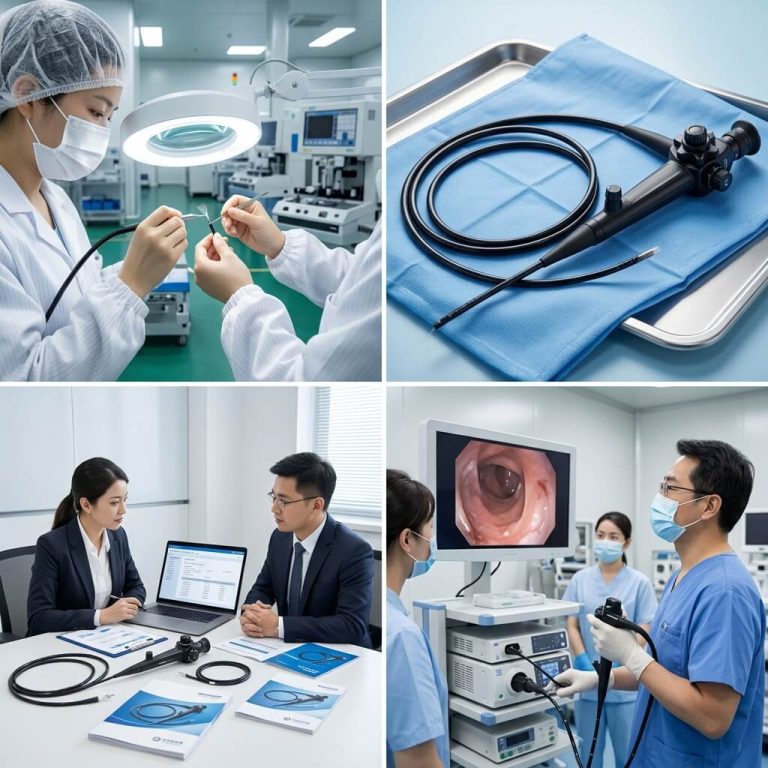
1. How Are Medical Fiberscopes Classified?
There is no single classification system used for every medical fiberscope.
For SEO and purchasing purposes, it is more useful to classify them from several perspectives.
By Clinical Specialty
- Respiratory fiberscopes
- ENT fiberscopes
- Urology fiberscopes
- Gastrointestinal fiberscopes
- Gynecology fiberscopes
By Mechanical Design
- Flexible fiberscope
- Semi-flexible scope
- Rigid endoscope
- Small-diameter fiberscope
By Imaging Technology
- Fiberoptic endoscope
- Video endoscope
- Digital endoscope
- Hybrid endoscopic system
By Application
- Diagnostic fiberscope
- Airway management scope
- Bronchoscopy scope
- Nasopharyngoscopy scope
- Cystoscopy scope
- Ureteroscopy scope
This distinction matters because terms such as flexible endoscope, fiberoptic endoscope, and medical fiberscope are related, but they do not necessarily describe exactly the same product.
2. Flexible Fiberoptic Endoscope
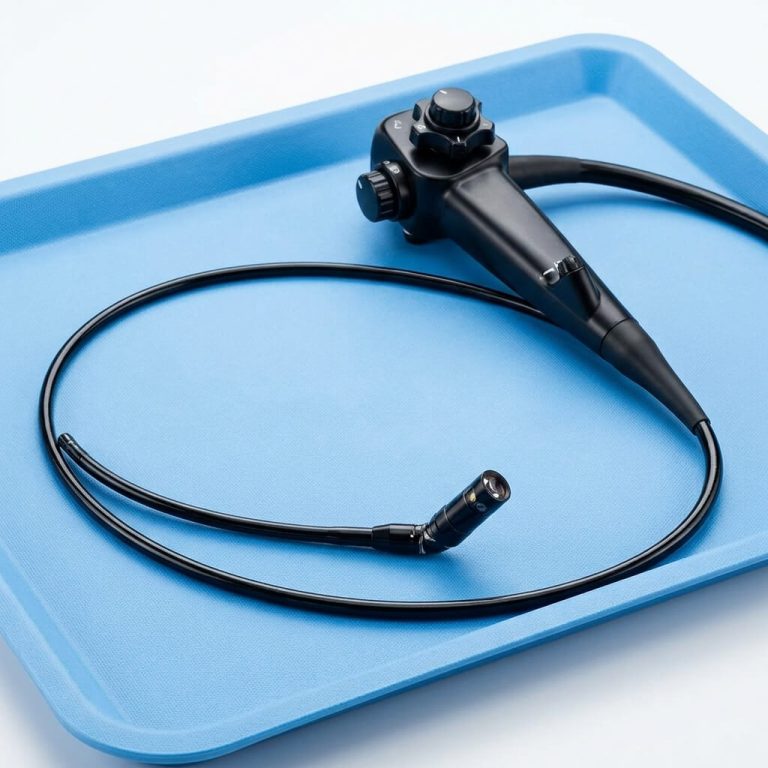
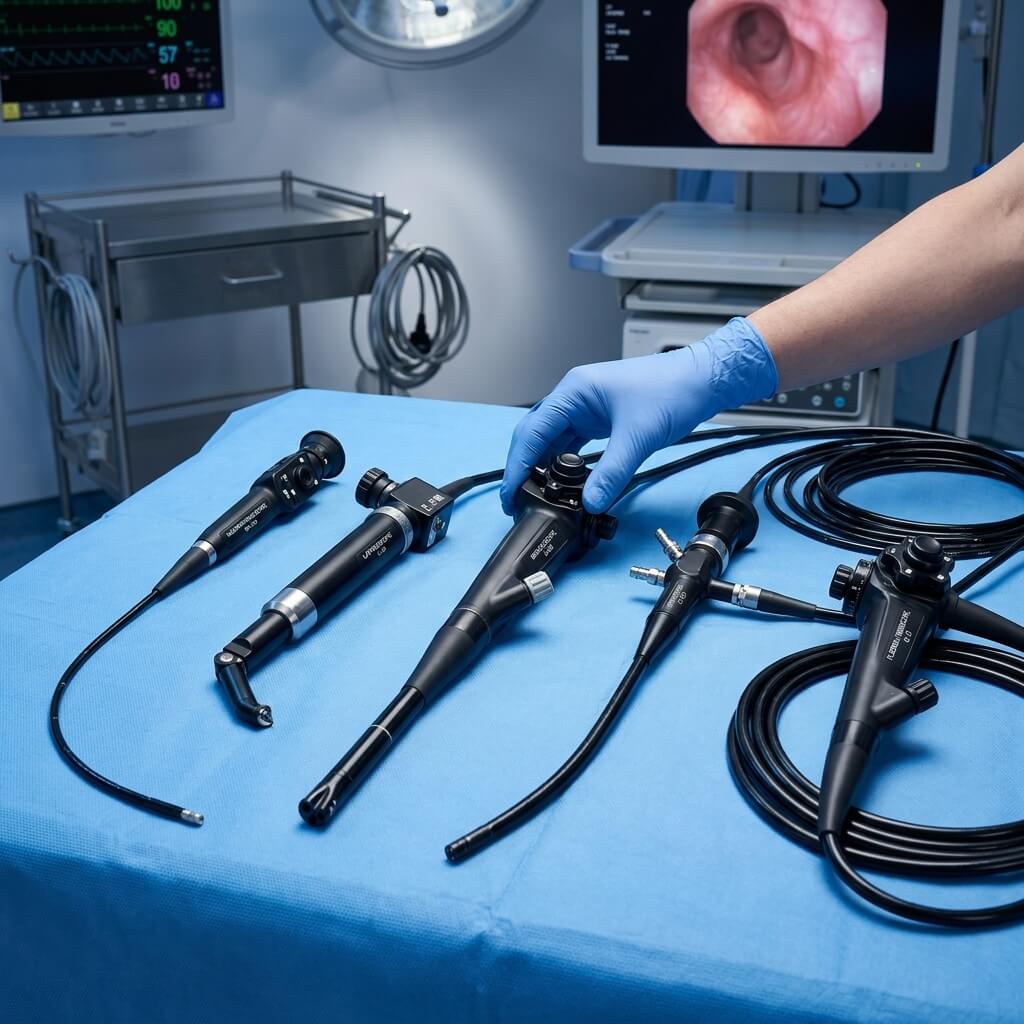
A flexible fiberoptic endoscope is the basic category behind many medical fiberscope products.
It combines a flexible insertion tube with an optical fiber system and, depending on the design, a working channel and tip-deflection mechanism.
Common search terms include:
- Flexible fiberscope
- Flexible fiberoptic endoscope
- Flexible medical endoscope
- Fiberoptic medical scope
- Flexible optical endoscope
- Medical fiberoptic scope
- Flexible fiber scope
The flexible design allows the instrument to follow curved anatomical pathways.
This is particularly useful for:
- Airways
- Nasal passages
- Upper digestive tract
- Urinary tract
- Other anatomically curved pathways
3. Fiberoptic Bronchoscope
What Is a Fiberoptic Bronchoscope?
A fiberoptic bronchoscope is a flexible endoscope designed to visualize the respiratory tract.
Common keywords:
- Fiberoptic bronchoscope
- Flexible bronchoscope
- Flexible fiberoptic bronchoscope
- Bronchoscopy scope
- Medical bronchoscope
- Bronchial fiberscope
- Airway fiberscope
- Flexible airway endoscope
Flexible bronchoscopy is an established diagnostic and therapeutic tool in respiratory medicine. Modern flexible bronchoscopes can provide direct visualization of the airway and may include channels for suction, lavage, brushing, biopsy and other compatible procedures.
What Is a Bronchoscope Used For?
Depending on the device and clinical indication, bronchoscopy can support:
- Airway examination
- Bronchoalveolar lavage
- Bronchial brushing
- Tissue sampling
- Biopsy
- Secretion removal
- Selected airway procedures
Common long-tail searches include:
- What is a flexible bronchoscope used for
- Fiberoptic bronchoscope uses
- Flexible bronchoscopy applications
- Bronchoscope for airway examination
- Fiberoptic airway examination
- Medical bronchoscope supplier
4. Flexible Bronchoscope vs Rigid Bronchoscope
A frequent search is:
Flexible bronchoscope vs rigid bronchoscope
The difference is mainly the physical design and intended workflow.
| Feature | Flexible Bronchoscope | Rigid Bronchoscope |
|---|---|---|
| Shaft | Flexible | Rigid |
| Navigation | Curved anatomical pathways | More direct access |
| Typical use | Diagnostic and selected therapeutic procedures | Selected therapeutic and procedural applications |
| Portability | Generally easier to maneuver | Larger rigid setup |
| Airway access | Can navigate branching airways | Direct rigid access |
Both have roles in respiratory care, and the appropriate type depends on the patient, procedure and clinical setting. NCBI’s current review notes that flexible bronchoscopy is widely used for diagnosis and management of lung disease, while rigid bronchoscopy can be particularly useful for some therapeutic cases.
5. Flexible Laryngoscope
What Is a Flexible Laryngoscope?
A flexible laryngoscope is a flexible scope used to visualize the laryngeal region and upper airway.
Related search terms include:
- Flexible laryngoscope
- Fiberoptic laryngoscope
- Flexible fiberoptic laryngoscope
- Medical laryngoscope
- Flexible throat scope
- Fiberoptic throat scope
- Laryngeal fiberscope
Flexible laryngoscopy allows clinicians to examine areas that may be difficult to visualize with a straight instrument.
6. Nasopharyngoscope
What Is a Nasopharyngoscope?
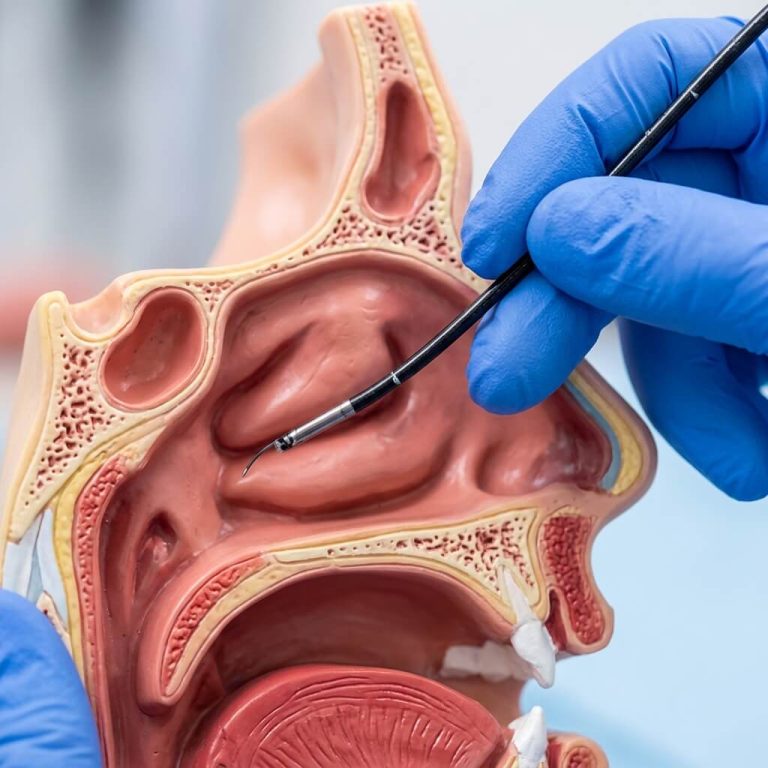
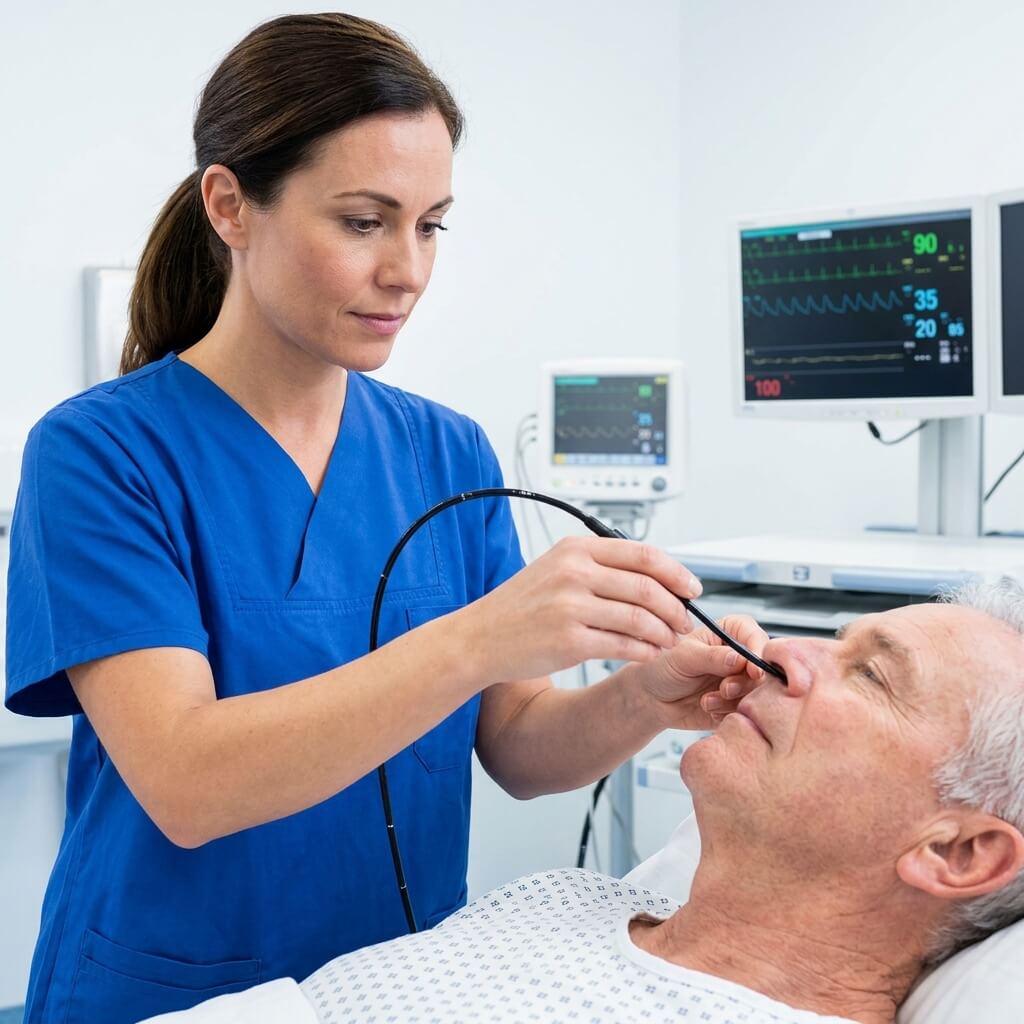
A nasopharyngoscope is a flexible scope designed for examination of the nasal cavity, nasopharynx, pharynx and laryngeal region.
Common terms include:
- Flexible nasopharyngoscope
- Fiberoptic nasopharyngoscope
- Flexible nasolaryngoscope
- Fiberoptic nasendoscope
- ENT fiberscope
- Nasal fiberscope
- Flexible nasal endoscope
- Nasopharyngoscopy scope
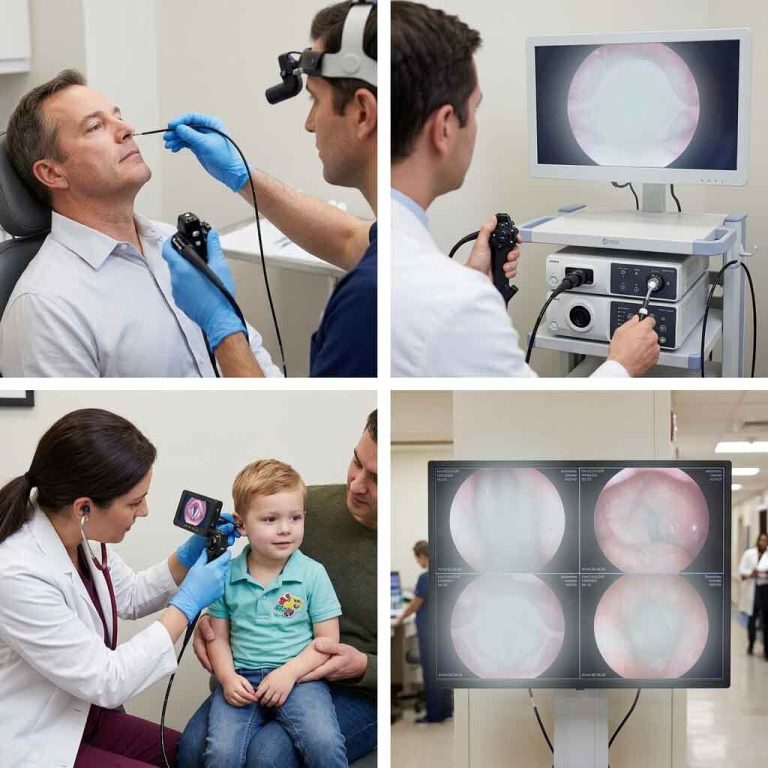
Flexible nasopharyngoscopy is an established ENT examination technique and is used to assess the nose, throat and airway.
What Is a Nasopharyngoscope Used For?
Depending on the indication, it can help clinicians visualize:
- Nasal cavity
- Nasopharynx
- Pharynx
- Larynx
- Vocal-cord region
- Upper airway
Common SEO searches:
- Flexible nasopharyngoscope uses
- Nasopharyngoscopy procedure
- Fiberoptic nasal endoscope
- Flexible ENT scope
- ENT fiberoptic scope
- Flexible throat endoscope
7. ENT Fiberscope
The phrase ENT fiberscope is broader than nasopharyngoscope or laryngoscope.
It can describe fiberoptic endoscopic equipment used by ENT departments.
Related keywords include:
- ENT fiberscope
- ENT fiberoptic endoscope
- ENT flexible endoscope
- ENT medical scope
- ENT diagnostic endoscope
- ENT fiber scope
- ENT endoscope supplier
Applications may include examination of the:
- Nose
- Nasopharynx
- Pharynx
- Larynx
- Upper airway
For an ENT buyer, the important question is therefore not only “fiber or video?” but also:
What anatomical area is the scope designed to examine?
8. Flexible Cystoscope
What Is a Flexible Cystoscope?
A flexible cystoscope is a flexible endoscopic instrument used in urology to inspect the urinary tract and bladder.
Common keywords:
- Flexible cystoscope
- Fiberoptic cystoscope
- Flexible urology endoscope
- Urology fiberscope
- Bladder fiberscope
- Urinary tract endoscope
- Flexible bladder scope
Flexible cystoscopy has been used for diagnostic evaluation in urology, and modern clinical services may use it in outpatient settings.
What Is a Flexible Cystoscope Used For?
Depending on the clinical indication, cystoscopy may be used to investigate conditions such as:
- Hematuria
- Urinary symptoms
- Recurrent urinary tract problems
- Bladder abnormalities
- Urethral abnormalities
The exact use should be determined by qualified clinicians and the specific device indication.
9. Flexible Ureteroscope
What Is a Flexible Ureteroscope?
A flexible ureteroscope is a small flexible endoscope designed to access the ureter and upper urinary tract.
Common search keywords:
- Flexible ureteroscope
- Fiberoptic ureteroscope
- Flexible ureteroscopy
- Ureteroscopy scope
- Flexible urinary endoscope
- Renal fiberscope
- Flexible kidney stone scope
Flexible ureteroscopy has become an important minimally invasive tool in urology, particularly for upper urinary tract stone management. Technical development has included smaller fiber-optic bundles, improved tip deflection and working channels.
Common Ureteroscope Applications
Depending on the procedure, flexible ureteroscopy may be used for:
- Upper urinary tract examination
- Kidney stone treatment
- Ureteral stone procedures
- Selected upper urinary tract lesions
For buyers, important specifications include:
- Outer diameter
- Working length
- Deflection
- Working channel
- Irrigation
- Optical quality
10. Gastrointestinal Fiberscope
What Is a Gastrointestinal Fiberscope?
A gastrointestinal fiberscope is a flexible endoscopic instrument designed for examination of the digestive tract.
Common search keywords:
- Gastrointestinal fiberscope
- GI fiberscope
- Fiberoptic gastroscope
- Flexible gastroscope
- Gastrointestinal endoscope
- Flexible GI endoscope
- Upper GI fiberscope
Depending on the system, the scope may be designed for examination of the upper digestive tract or other gastrointestinal applications.
11. Fiberoptic Gastroscope
A fiberoptic gastroscope is an older but still searchable term used for flexible optical systems designed for gastrointestinal examination.
Keywords include:
- Fiberoptic gastroscope
- Fiberoptic GI endoscope
- Flexible gastroscopy scope
- Medical gastroscope
- GI fiberoptic endoscope
For modern procurement, buyers should distinguish traditional fiber-optic image transmission from newer digital video platforms.
12. Hysteroscope and Gynecology Fiberscopes
What Is a Hysteroscope?
A hysteroscope is an endoscopic instrument designed specifically for visualization of the uterine cavity.
Search terms include:
- Hysteroscope
- Gynecology endoscope
- Gynecological fiberscope
- Hysteroscopy scope
- Flexible hysteroscope
- Fiberoptic hysteroscope
The term should not automatically be treated as a general-purpose fiberscope because hysteroscopes are designed for a specific anatomical and procedural application.
13. Choledochoscope
A choledochoscope is a specialized endoscopic instrument used for visualization of the bile ducts.
Common searches include:
- Choledochoscope
- Fiberoptic choledochoscope
- Bile duct endoscope
- Biliary fiberscope
- Flexible biliary endoscope
This is another good example of why clinical application should be considered before selecting an endoscope.
The required diameter, working channel, deflection and accessories can be very different from those of a bronchoscope or nasopharyngoscope.
14. Pediatric Fiberscope
What Is a Pediatric Fiberscope?
A pediatric fiberscope is designed for procedures involving children, where smaller anatomical dimensions may require a smaller insertion diameter.
Related keywords:
- Pediatric fiberscope
- Pediatric endoscope
- Pediatric bronchoscope
- Pediatric flexible bronchoscope
- Pediatric fiberoptic scope
- Child airway fiberscope
- Small diameter pediatric endoscope
Small-diameter bronchoscopes are particularly relevant in pediatric respiratory care. Literature describes flexible pediatric bronchoscopes with smaller outer diameters and corresponding working-channel requirements.
15. Small-Diameter Fiberscope
A small-diameter fiberscope is designed when access through a narrow anatomical pathway is important.
Common keywords:
- Small diameter fiberscope
- Small diameter endoscope
- Small caliber fiberscope
- Slim fiberscope
- Ultrathin fiberscope
- Mini flexible endoscope
- Small flexible endoscope
A smaller diameter can be valuable for access, but it may require trade-offs in other design characteristics.
For example, a very small scope may have:
- Smaller working channel
- Different optical configuration
- Different rigidity
- Different accessory compatibility
Therefore:
Smaller does not automatically mean more suitable.
16. Ultrathin Fiberscope
An ultrathin fiberscope is a particularly small flexible scope designed for narrow anatomical access.
Search terms include:
- Ultrathin fiberscope
- Ultrathin endoscope
- Ultra slim fiberscope
- Thin flexible endoscope
- Ultrathin fiberoptic endoscope
Ultrathin designs are particularly relevant where outer diameter is a major constraint.
The buyer should still evaluate whether the scope provides sufficient:
- Image quality
- Working channel
- Flexibility
- Durability
for the intended procedure.
17. Single-Channel vs Working-Channel Fiberscope
Not every fiberscope has the same internal channel configuration.
A scope may have:
- No working channel
- Single working channel
- Multiple functional channels
Depending on the design, a channel may be used for:
- Suction
- Irrigation
- Biopsy
- Brush sampling
- Compatible instruments
For procurement, this distinction can be more important than simply asking whether the scope is “flexible.”
18. Diagnostic vs Therapeutic Fiberscope
Another useful classification is:
Diagnostic Fiberscope
Primarily designed for:
- Visualization
- Examination
- Assessment
Therapeutic Fiberscope
Designed to support additional procedural functions where the device is specifically indicated.
Possible features include:
- Working channel
- Suction
- Irrigation
- Compatible intervention instruments
Not every flexible fiberscope is designed for therapeutic use.
The manufacturer’s intended use and regulatory documentation should always be checked.
19. Fiberoptic Endoscope vs Video Endoscope
These terms are often confused.
Fiberoptic Endoscope
Uses a coherent optical fiber bundle to transmit the image.
Video Endoscope
Uses an electronic imaging sensor, generally located at or near the distal tip, to capture the image.
This creates different requirements for:
- Camera
- Processor
- Display
- Image processing
- Connectivity
The distinction is important because buyers searching for “fiberoptic endoscope” may actually need a digital video endoscope, and vice versa.
20. Flexible Fiberscope vs Rigid Endoscope
The choice often begins with anatomy.
| Feature | Flexible Fiberscope | Rigid Endoscope |
|---|---|---|
| Insertion tube | Flexible | Rigid |
| Curved pathway access | Suitable for many curved routes | More limited |
| Tip movement | Often available | Usually fixed |
| Handling | Flexible steering | Direct positioning |
| Typical applications | Airways, upper airway, urinary tract and other curved paths | Procedures requiring a rigid optical path |
Neither design is suitable for every application.
21. Medical Fiberscope Types by Specialty
A simple specialty map can help buyers:
| Specialty | Common Fiberscope Type |
|---|---|
| Pulmonology | Flexible bronchoscope |
| Anesthesiology | Airway fiberscope |
| ENT | Nasopharyngoscope / laryngoscope |
| Urology | Cystoscope / ureteroscope |
| Gastroenterology | Gastroscope / GI endoscope |
| Gynecology | Hysteroscope |
| Pediatric medicine | Pediatric / small-diameter fiberscope |
This type of table is also useful for website visitors who are searching by department rather than by technical terminology.
22. How to Choose Between Different Medical Fiberscope Types
When a buyer is unsure which fiberscope to select, use this process.
Step 1: Identify the Department
For example:
Pulmonology → Bronchoscope
ENT → Nasopharyngoscope or Laryngoscope
Urology → Cystoscope or Ureteroscope
Step 2: Identify the Anatomy
Ask:
- How narrow is the pathway?
- How deep is the target?
- Is the path curved?
- Is the target easily accessible?
Step 3: Check Diameter
The outer diameter needs to be appropriate for the intended use.
Step 4: Check Working Length
Confirm that the scope can reach the intended anatomical area.
Step 5: Check Tip Deflection
For flexible procedures, tip movement can significantly affect maneuverability.
Step 6: Check Working Channel
Determine whether you need:
- Suction
- Biopsy
- Irrigation
- Other instruments
Step 7: Check Imaging System
Compare:
- Fiberoptic
- Digital video
- Camera-compatible
- Monitor-compatible configurations
23. Which Medical Fiberscope Is Used for Different Applications?
Bronchoscopy
Flexible bronchoscope
Nasal Examination
Flexible nasopharyngoscope
Laryngeal Examination
Flexible laryngoscope
Bladder Examination
Flexible cystoscope
Upper Urinary Tract
Flexible ureteroscope
Gastrointestinal Examination
Gastroscope / GI endoscope
Uterine Cavity
Hysteroscope
Pediatric Airway
Pediatric bronchoscope or small-diameter airway scope
This application-based approach can help non-specialist purchasers quickly understand product categories.
24. UMY Medical Equipment Co., Ltd. and Medical Fiberscope Supply
For international buyers, purchasing medical endoscopy equipment often involves more than choosing a scope.
A project may also require:
- Light source
- Camera system
- Monitor
- Accessories
- Documentation
- Spare parts
- Technical support
UMY Medical Equipment Co., Ltd. currently lists multiple fiber-optic endoscopic products, including fiber cystoscope, nasopharyngoscope, bronchoscope, choledochoscope and hysteroscope configurations. Its product information demonstrates a focus on multiple specialty applications rather than a single endoscopy category.
UMY Medical’s company information also describes international medical equipment supply, OEM/customization services and support for healthcare customers in global markets.
For a hospital, clinic or distributor, the useful starting point is to provide:
- Intended application
- Department
- Required scope type
- Diameter requirement
- Working length
- Working-channel requirement
- Destination country
- Quantity
This allows a supplier to determine which configuration is appropriate.
25. Medical Fiberscope Comparison Checklist
Before purchasing, compare:
| Specification | Buyer Question |
|---|---|
| Scope type | What procedure is it designed for? |
| Outer diameter | Is it suitable for the anatomical pathway? |
| Working length | Can it reach the target? |
| Field of view | Is the viewing area suitable? |
| Tip deflection | Can it navigate the required path? |
| Working channel | Are compatible instruments required? |
| Fiber bundle | What optical performance is provided? |
| Camera | Is a camera included or optional? |
| Light source | What light-source system is required? |
| Connector | Is it compatible with existing equipment? |
| Reprocessing | What cleaning/disinfection process is specified? |
| Warranty | What components are covered? |
| Accessories | What is included in the quotation? |
This checklist will also prepare buyers for the next stage of procurement: comparing detailed specifications and prices.
26. Frequently Asked Questions About Medical Fiberscope Types
What are the main types of medical fiberscopes?
Common types include flexible bronchoscopes, laryngoscopes, nasopharyngoscopes, cystoscopes, ureteroscopes, gastrointestinal scopes, hysteroscopes and specialized small-diameter scopes.
What is the difference between a bronchoscope and a fiberscope?
A bronchoscope describes the clinical application, while fiberscope describes the optical technology. A fiberoptic bronchoscope is therefore a bronchoscope that uses fiber-optic imaging.
What is a flexible fiberoptic bronchoscope?
It is a flexible airway endoscope that uses fiber-optic imaging and may include a working channel for selected procedures.
What is a nasopharyngoscope?
A nasopharyngoscope is a flexible ENT scope used to examine the nose, nasopharynx, throat and related upper-airway structures.
What is a flexible laryngoscope?
It is a flexible scope used to visualize the laryngeal region and upper airway.
What is a flexible cystoscope?
A flexible cystoscope is an endoscope used for visualization of the urinary tract and bladder.
What is a flexible ureteroscope?
It is a flexible endoscope designed to access the ureter and upper urinary tract and is widely used in selected stone-management procedures.
What is an ENT fiberscope?
It is a fiberoptic scope used for selected ENT examinations, commonly involving the nasal, pharyngeal or laryngeal regions.
What is a pediatric fiberscope?
It is a fiberscope designed for pediatric applications, often using a smaller outer diameter to accommodate smaller anatomical dimensions.
What is an ultrathin fiberscope?
It is a flexible scope with a particularly small outer diameter, designed for situations where narrow anatomical access is important.
Are all medical fiberscopes flexible?
No. “Fiberscope” generally refers to fiber-optic imaging technology, while flexibility is a separate design characteristic.
What is the difference between a fiberscope and a videoscope?
A traditional fiberscope transmits images through an optical fiber bundle, whereas a videoscope generally captures images electronically using a distal image sensor.
Which fiberscope is used for bronchoscopy?
A flexible bronchoscope is commonly used for bronchoscopy.
Which fiberscope is used for ENT?
Depending on the examination, an ENT department may use a flexible laryngoscope or nasopharyngoscope.
Which fiberscope is used for urology?
Common options include flexible cystoscopes and flexible ureteroscopes.
Which fiberscope is used for pediatric patients?
The appropriate scope depends on the procedure, but pediatric and small-diameter flexible scopes are available for selected pediatric applications.
How do I choose the right medical fiberscope?
Start with the clinical application, then compare diameter, working length, tip deflection, working channel, field of view, imaging technology and compatibility.
Conclusion
Medical fiberscopes are not one single product category. They include a wide range of specialized instruments designed for different anatomical areas and clinical workflows.
The most common categories include:
- Flexible fiberoptic bronchoscope for respiratory applications
- Flexible laryngoscope and nasopharyngoscope for ENT
- Flexible cystoscope and ureteroscope for urology
- Gastrointestinal fiberscope for digestive examinations
- Hysteroscope for selected gynecological procedures
- Pediatric and ultrathin fiberscopes for smaller anatomical pathways
When choosing between them, the most useful sequence is:
Clinical Application → Scope Type → Diameter → Working Length → Tip Deflection → Working Channel → Imaging → Compatibility
This is more reliable than choosing a fiberscope simply by product name or price.
For hospitals, clinics and medical equipment distributors, understanding the difference between fiberscope, flexible endoscope, fiberoptic endoscope and video endoscope is also essential before requesting a quotation.