Understanding the Economics of Mammography Capital Investment
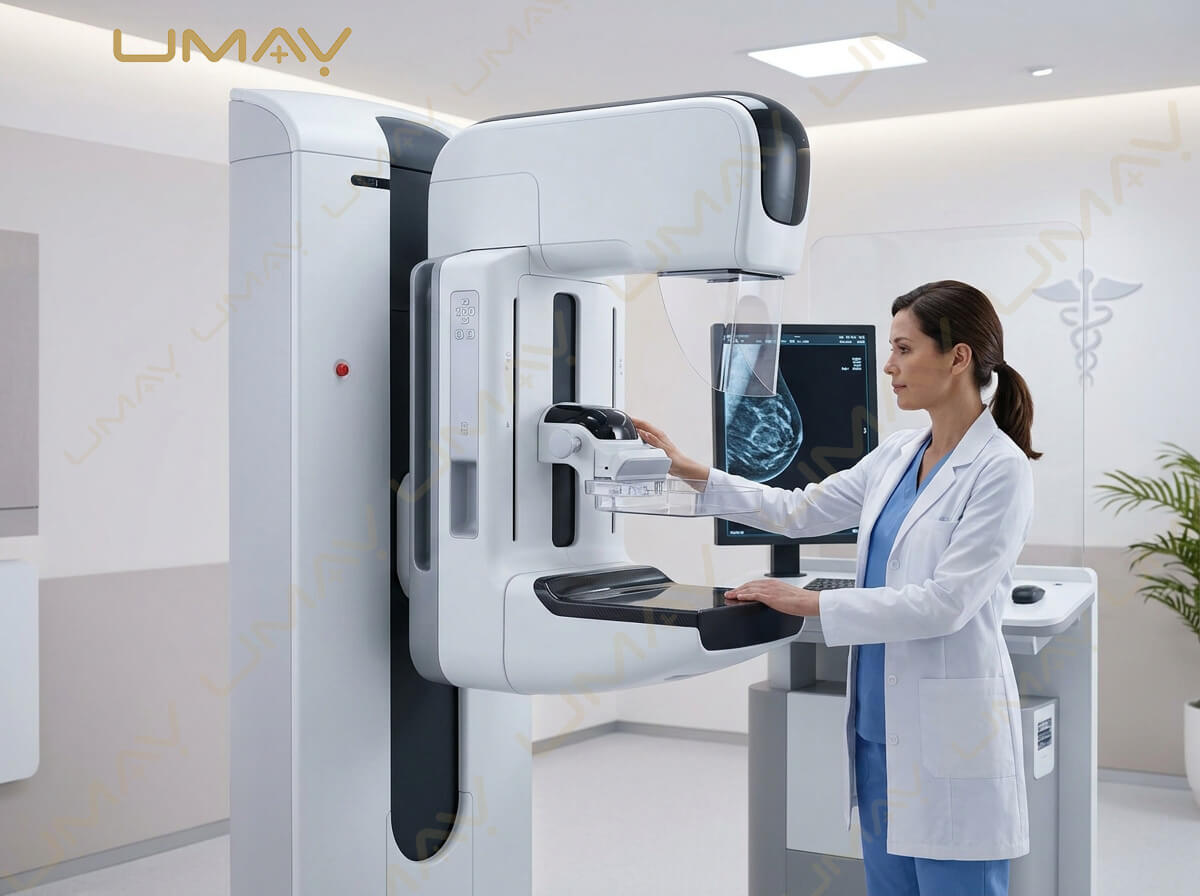
Acquiring a digital mammography machine—whether a 2D Full-Field Digital Mammography (FFDM) or a 3D Digital Breast Tomosynthesis (DBT) system—is a high-value capital expenditure (CapEx) for hospital procurement departments, outpatient imaging centers, and private women’s health clinics.
While the upfront sticker price is often the initial focal point during equipment evaluations, it represents only a fraction of the overall financial commitment. Operating expenses (OpEx)—including room shielding, facility modifications, annual service level agreements (SLAs), replacement tubes, and digital detector reserves—accumulate significantly over a typical 7-to-10-year asset lifecycle.
Failing to account for these ongoing lifecycle costs can distort budget projections and delay profitability. This financial guide breaks down current market price benchmarks, compares certified refurbished versus brand-new equipment, analyzes hidden total cost of ownership (TCO) drivers, and provides a step-by-step Return on Investment (ROI) framework.
2. Average Mammography Machine Price Benchmarks (2D vs. 3D)
Mammography machine pricing varies widely based on technology generation (2D vs. 3D), detector conversion material (a-Se vs. CsI), brand ecosystem (e.g., Hologic, GE HealthCare, Siemens Healthineers, Fujifilm), and software feature packages (e.g., stereotactic biopsy, AI-assisted computer-aided detection).
Pricing Tier Spectrum:
2D Refurbished FFDM  ──► $35,000 – $60,000
2D Brand-New FFDM    ──► $70,000 – $140,000
3D Refurbished DBT   ──► $110,000 – $180,000
3D Brand-New Premium ──► $200,000 – $380,000+
Market Price Comparison Table
| System Category & Architecture | Primary Clinical Target | Estimated Price Range (New) | Estimated Price Range (Refurbished) |
| Basic 2D FFDM System | Small rural clinics, routine screening | $70,000 – $110,000 | $35,000 – $55,000 |
| High-End 2D FFDM System | General hospitals, high-volume screening | $110,000 – $140,000 | $50,000 – $75,000 |
| Entry 3D Tomosynthesis (DBT) | Mid-sized imaging centers, diagnostic clinics | $200,000 – $270,000 | $110,000 – $145,000 |
| Premium 3D DBT + Biopsy | Academic hospitals, specialized breast centers | $280,000 – $380,000+ | $150,000 – $190,000 |
Note: Stated price ranges represent standard equipment supply packages and exclude local sales tax, international freight, site preparation, extended warranties, or custom installation services.
3. New vs. Certified Refurbished Systems: Financial Decision Matrix
Choosing between a factory-new unit and a certified refurbished system depends on clinical throughput goals, available capital, risk tolerance, and local market reimbursement rates.
                    ┌──────────────────────────────────────────────┐
                    │            EQUIPMENT CHOICE MATRIX           │
                    └──────────────────────┬───────────────────────┘
                                           │
                    ┌──────────────────────┴──────────────────────┐
                    ▼                                             ▼
     ┌──────────────────────────────┐              ┌──────────────────────────────┐
     │          NEW SYSTEM          │              │      REFURBISHED SYSTEM      │
     ├──────────────────────────────┤              ├──────────────────────────────┤
     │ • Full Factory Warranty      │              │ • 40%–60% Capital Savings    │
     │ • Latest Software & AI       │              │ • Faster Debt Payback Period │
     │ • Lowest Early Failure Risk  │              │ • Proven OEM Reliability     │
     │ • High-Volume Centers        │              │ • Startup & Regional Clinics │
     └──────────────────────────────┘              └──────────────────────────────┘

Advantages of Purchasing New Mammography Equipment
-
Latest Technological Innovations: Access to high-resolution 3D tomosynthesis algorithms, synthetic 2D imaging software, and automated deep-learning CAD overlays.
-
Full OEM Warranty & Peace of Mind: Includes comprehensive 12-to-24-month warranties covering parts, labor, tube, and detector without deductibles.
-
Maximum Patient Appeal: Marketing brand-new, top-tier diagnostic technology builds strong community trust and physician referral networks.
Advantages of Purchasing Certified Refurbished Equipment
-
Substantial Capital Preservation: Saves 40% to 60% compared to new list prices, allowing healthcare groups to preserve cash flow for operational expansion.
-
Accelerated Payback Period: Lower initial debt service enables smaller or rural practices to break even rapidly at lower daily patient volumes.
-
Established Parts Ecosystem: Abundant secondary-market supply chains ensure readily available spare parts, replacement detectors, and independent service support.
4. Uncovering Hidden Expenses: The 5 Pillars of Total Cost of Ownership (TCO)
Equipment purchase price accounts for only 50% to 65% of total system lifecycle expenditure over 7 years. Procurement officers must budget across five key cost centers:
┌────────────────────────────────────────────────────────────────────────┐
│                     THE 5 PILLARS OF MAMMOGRAPHY TCO                   │
├──────────────────────────┬───────────────────────┬─────────────────────┤
│ 1. SITE PREP & SHIELDING │ 2. RIGGING & INSTALL  │ 3. SERVICE CONTRACTS│
│ $10,000 – $30,000        │ $5,000 – $15,000      │ $8,000 – $35,000/yr │
├──────────────────────────┼───────────────────────┴─────────────────────┤
│ 4. TUBE & DETECTOR RESERVES  5. IT & PACS INFRASTRUCTURE               │
│ Tube: $30k–$60k | Det: $40k–$80k $5,000 – $20,000                      │
└──────────────────────────┴─────────────────────────────────────────────┘
Pillar 1: Site Preparation & Radiation Shielding ($10,000 – $30,000)
-
Architectural lead lining (0.8mm – 1.5mm Pb) on room perimeter walls, doors, and control booth lead glass.
-
Specialized electrical panel drops (200–240V dedicated lines) with clean grounding resistance (< 2 Ohms).
-
HVAC upgrades to guarantee stable room climate control (20°C–24°C; 30%–60% RH).
Pillar 2: Delivery, Rigging, and Installation ($5,000 – $15,000)
-
Heavy-equipment transport, air-ride trucking, specialized door-clearance rigging, and uncrating.
-
On-site mechanical assembly, electrical integration, and detector calibration runs.
Pillar 3: Annual Service Level Agreements (SLAs) ($8,000 – $35,000/year)
-
Post-warranty service contracts average 8% to 12% of the system purchase price annually.
-
Full-coverage SLAs (including glass replacement for tube and detector) cost significantly more than basic preventive maintenance (PM) plans.
Pillar 4: Component Replacement Reserves (X-Ray Tube & Detector)
-
X-Ray Tube Replacement: Mammography tubes cost $30,000 to $60,000 and typically last 3 to 6 years depending on patient exposure volume.
-
Digital Flat-Panel Detector: Flat-panel detectors cost $40,000 to $80,000. Replacing an un-warranted detector is often the largest single unexpected repair cost.
Pillar 5: IT Infrastructure, PACS Storage & DICOM Licenses ($5,000 – $20,000)
-
3D tomosynthesis datasets create massive image file sizes (~300 MB to 1 GB per study).
-
Budget for upgraded high-capacity PACS servers, network bandwidth drops, 5MP/12MP diagnostic monitor workstation licenses, and DICOM connectivity fees.
5. Financial ROI & Payback Period Calculation Framework
To validate a mammography acquisition, finance directors calculate the Payback Period and Net Monthly Cash Flow based on forecasted daily patient volumes and local insurance/private reimbursement rates.
Practical Financial Comparison Scenario
Let’s compare a Refurbished 2D FFDM Unit against a New 3D Tomosynthesis (DBT) Unit:
┌────────────────────────────────────────────────────────────────────────┐
│                   FINANCIAL SCENARIO ANALYSIS                          │
├───────────────────────────────┬───────────────────┬────────────────────┤
│ Financial Metric              │ Refurbished 2D    │ New 3D Tomo (DBT)  │
├───────────────────────────────┼───────────────────┼────────────────────┤
│ Total Initial Capital Outlay  │ $75,000           │ $240,000           │
│ Daily Patient Volume          │ 12 patients/day   │ 16 patients/day    │
│ Working Days per Month        │ 20 days           │ 20 days            │
│ Monthly Exam Volume           │ 240 exams         │ 320 exams          │
│ Avg Net Reimbursement / Exam  │ $110              │ $175 (2D + 3D Code)│
├───────────────────────────────┼───────────────────┼────────────────────┤
│ Gross Monthly Revenue         │ $26,400           │ $56,000            │
│ Monthly Operating Overhead    │ $9,500            │ $18,000            │
│ Net Monthly Profit            │ $16,900           │ $38,000            │
├───────────────────────────────┼───────────────────┼────────────────────┤
│ ESTIMATED PAYBACK PERIOD      │ ~4.4 Months       │ ~6.3 Months        │
└───────────────────────────────┴───────────────────┴────────────────────┘
Key Takeaway: While 3D Tomosynthesis requires a higher initial investment, higher reimbursement rates and increased referral volume often yield greater overall long-term net profits.
6. Financing and Equipment Acquisition Options
Healthcare facilities can structure mammography equipment purchases using three primary financial models:
-
Direct Outright Capital Purchase: Title transfers immediately. Lowest overall total interest cost; maximizes tax depreciation advantages (e.g., Section 179 / capital allowances).
-
Capital or Operating Lease: Low upfront outlay with manageable monthly payments over 36 to 60 months. Operating leases keep equipment off balance sheets and allow easy upgrading to newer technology upon lease expiration.
-
Pay-Per-Scan / Revenue-Share Agreements: Vendor supplies the machine with zero capital down, charging a fixed fee per clinical scan performed. Ideal for low-volume clinics seeking zero capital risk.
7. Financial Procurement Checklist for CFOs and Buyers
-
[x] Comprehensive Quote Scope: Ensure vendor quote explicitly states whether freight, rigging, installation, and application training are included.
-
[x] Software Licensing Terms: Confirm whether DICOM licenses and workstation viewer features are permanent or require recurring software subscription fees.
-
[x] Tube & Detector Warranty Terms: Verify if the warranty offers 100% full replacement or pro-rated coverage based on exposure counts.
-
[x] Reimbursement Code Audit: Check local public and private healthcare insurance coverage codes for 3D tomosynthesis screening (e.g., CPT codes in the US).
-
[x] Refurbishment Certification: For pre-owned units, demand a formal quality assurance certificate verifying detector bad-pixel mapping and tube heat unit count.
8. Frequently Asked Questions (FAQ)
Q1: What is the average price difference between 2D and 3D mammography machines?
On average, brand-new 3D Digital Breast Tomosynthesis (DBT) systems cost $200,000 to $380,000, which is approximately 80% to 120% more expensive than standard 2D FFDM systems ($70,000 to $140,000) due to advanced gantry mechanics and reconstruction software.
Q2: How much should a clinic budget for ongoing annual maintenance?
Facilities should budget approximately 8% to 12% of the system’s purchase price annually for a service contract (SLAs), ranging from $8,000 to $35,000 per year depending on system complexity and component coverage terms.
Q3: Are refurbished mammography machines eligible for medical insurance reimbursement?
Yes. Insurance reimbursement rates (both public and private) are based on the clinical procedure performed and image quality compliance (e.g., FDA MQSA standards), not whether the underlying equipment was purchased new or certified refurbished.
Q4: What is the typical useful lifespan of a digital mammography machine?
With proper routine maintenance, routine calibrations, and component replacements, modern digital mammography units offer a reliable operational lifespan of 7 to 10 years.