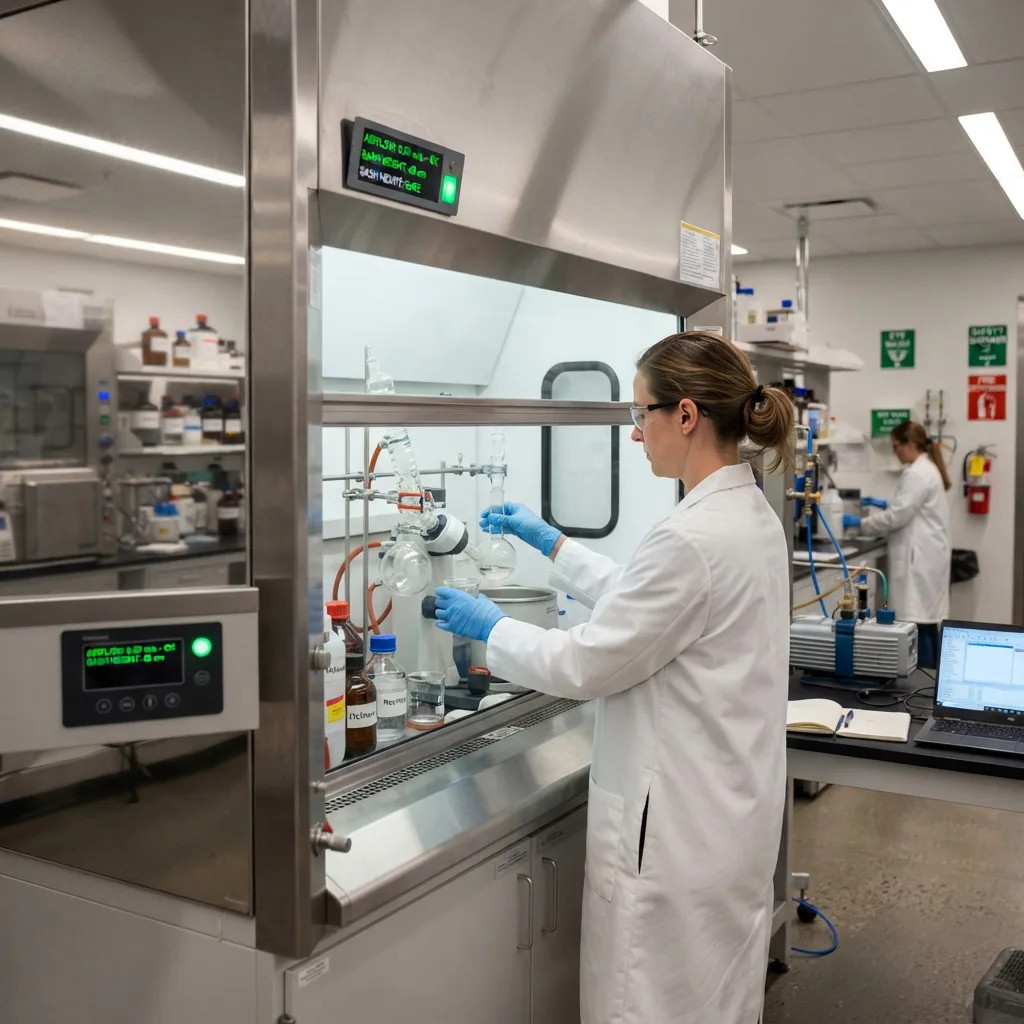
Laboratory Fume Hood Performance, Airflow and Maintenance: Testing, Operation, Common Problems and Lifecycle Guide
The Hood Is Installed. Is It Actually Performing Properly? Buying a laboratory fume hood is only the beginning. A chemical
The Hood Is Installed. Is It Actually Performing Properly? Buying a laboratory fume hood is only the beginning. A chemical
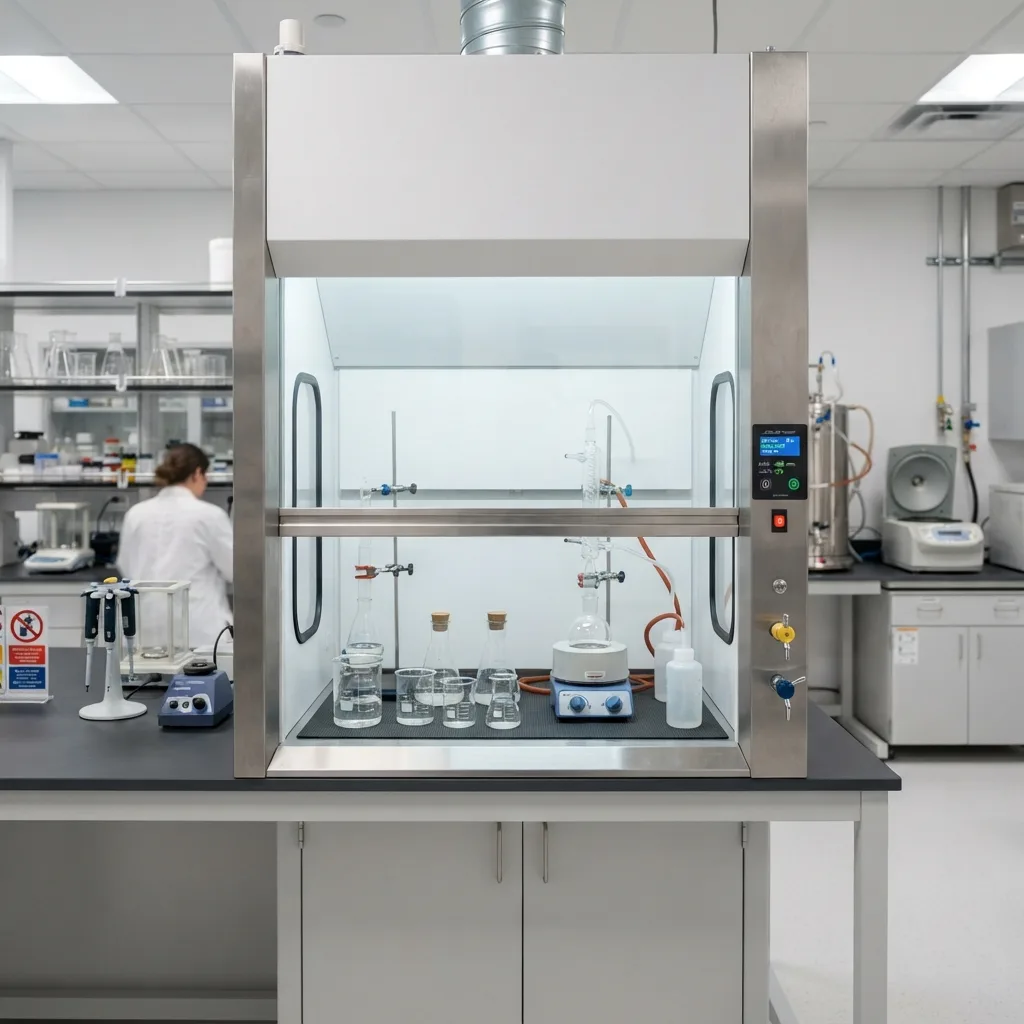
A laboratory fume hood is not simply a cabinet with a fan. The right system depends on the chemicals being
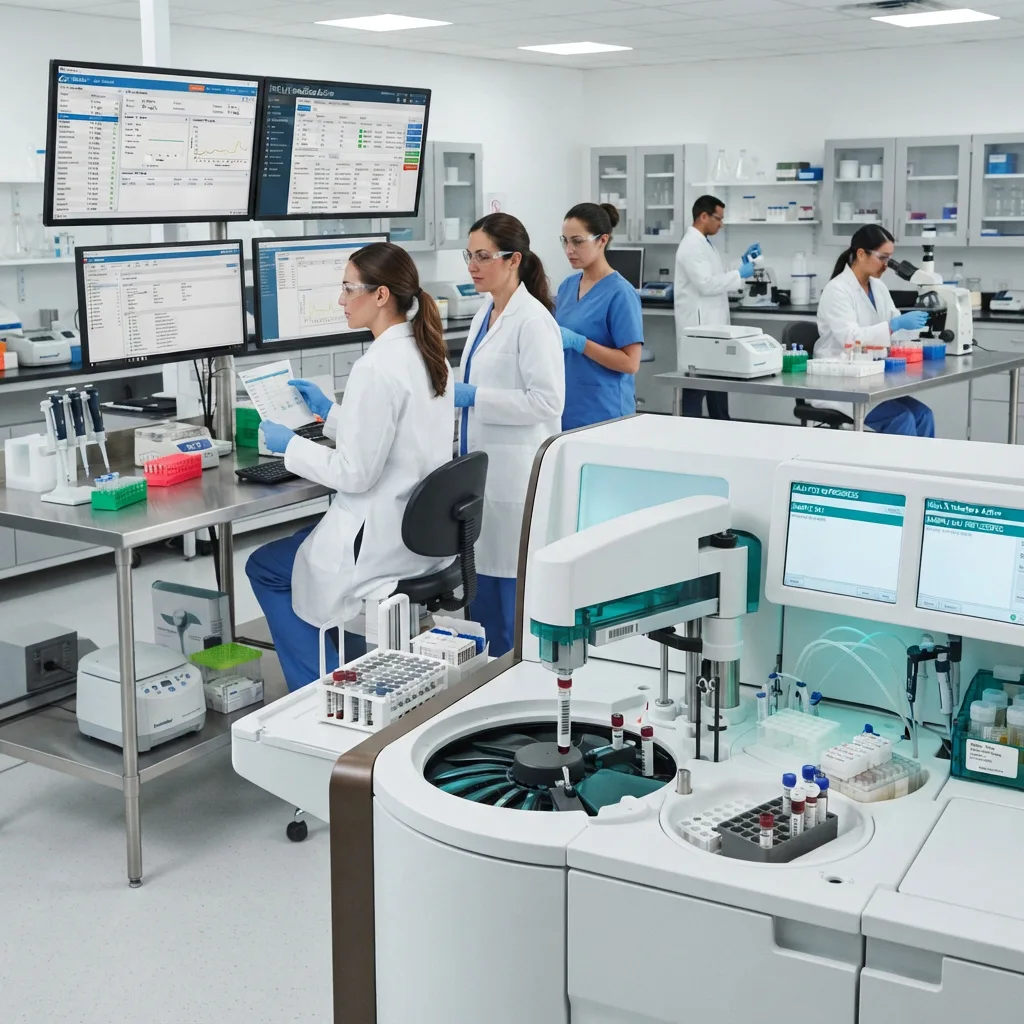
It is Monday morning in a bustling 500-bed regional hospital. The central laboratory has just received a batch of 150
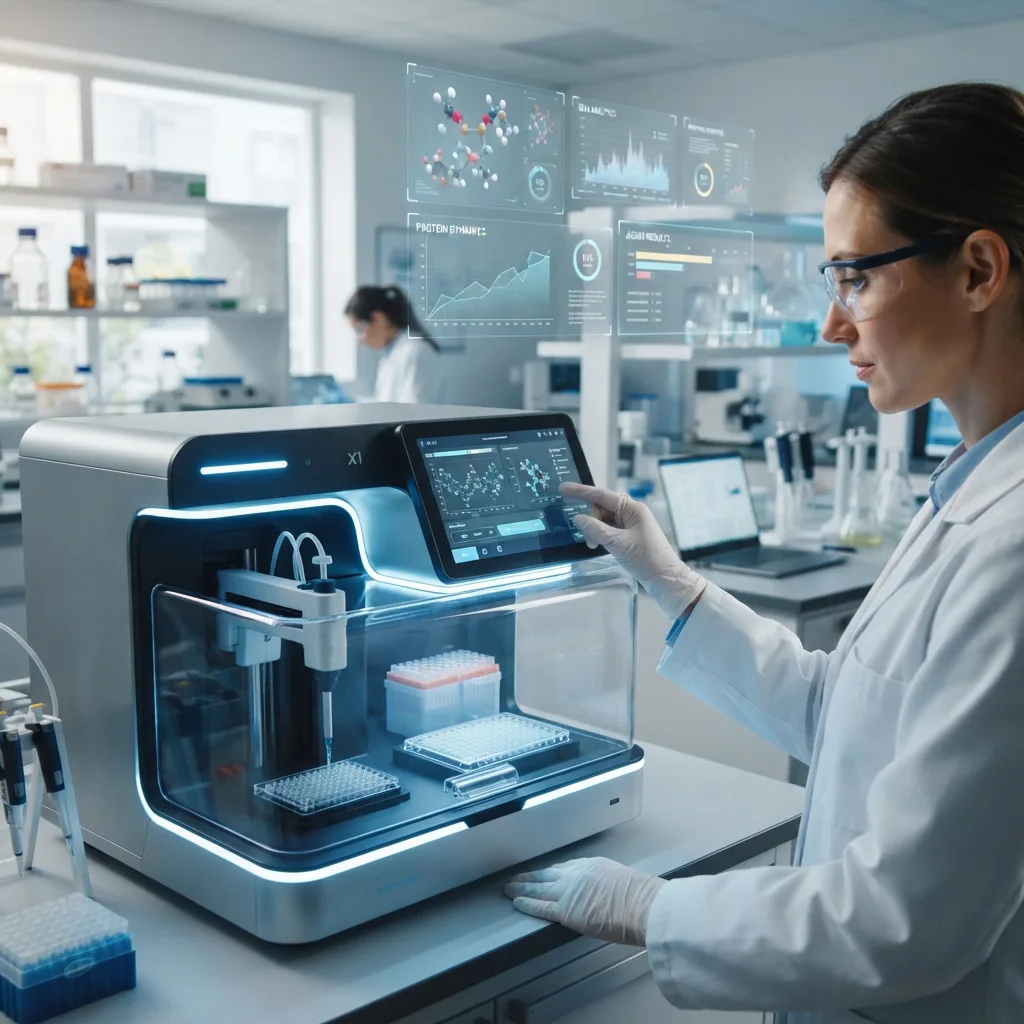
Step inside the central pathology department of a modern high-throughput medical center, and the shift is immediately palpable. The frantic
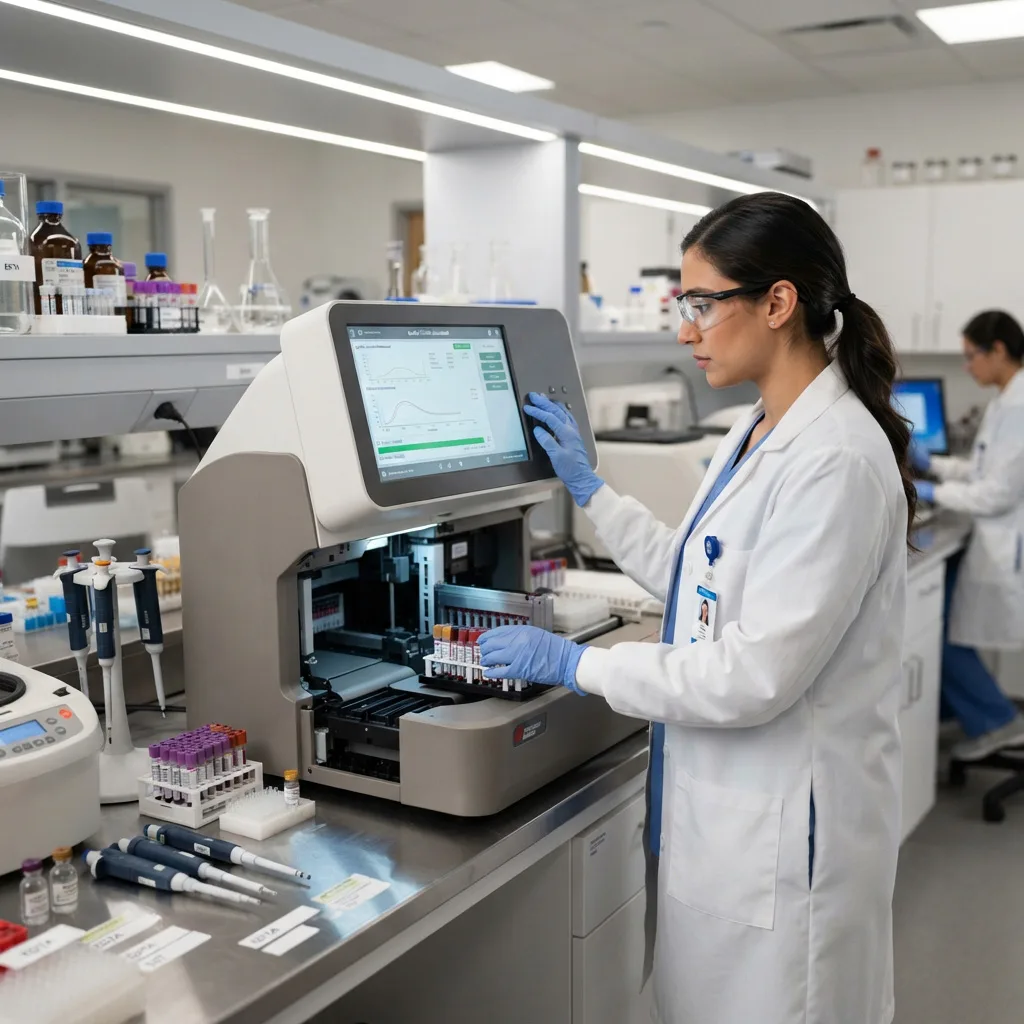
There is a dangerous myth in clinical diagnostics: hospital administrators often believe that purchasing a $100,000 top-tier automated biochemistry analyzer
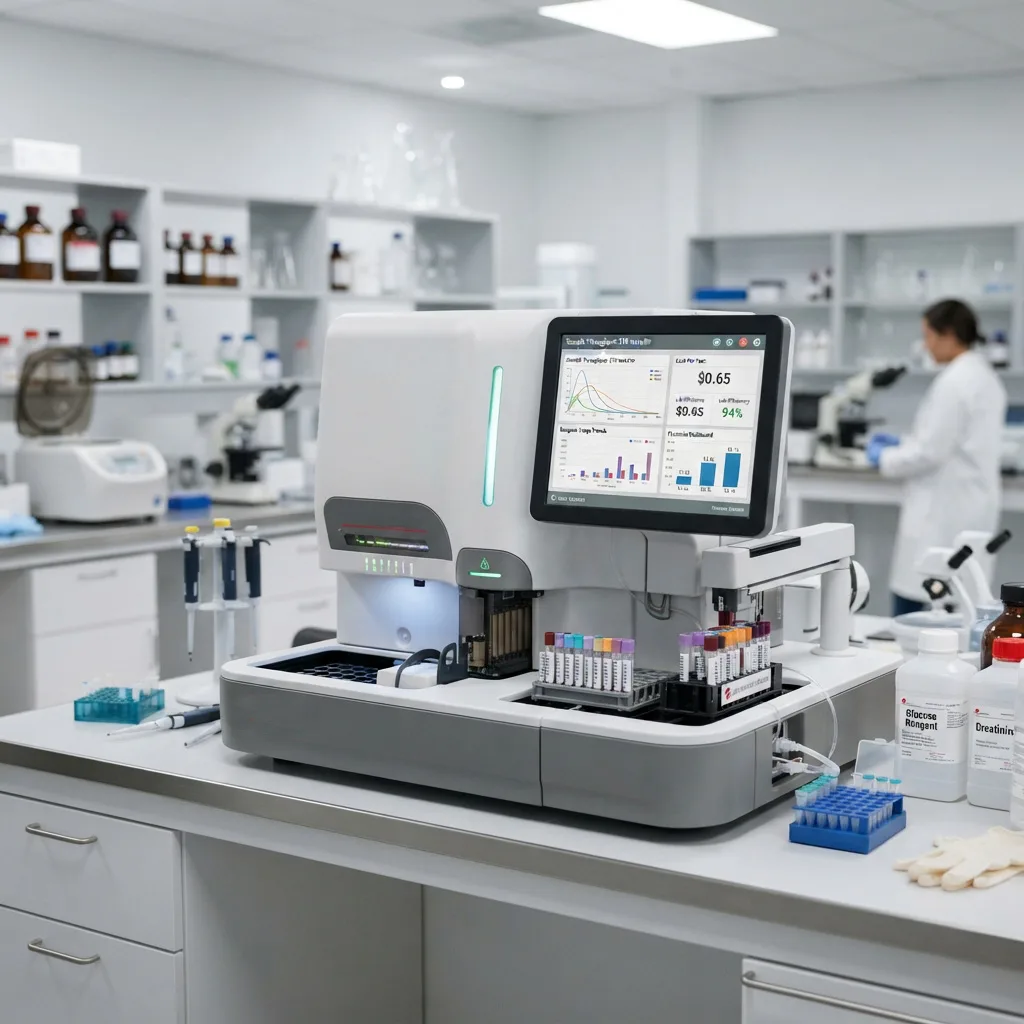
Consider a common scenario in private clinical practice: a growing regional healthcare center purchases a brand-new automated biochemistry analyzer for
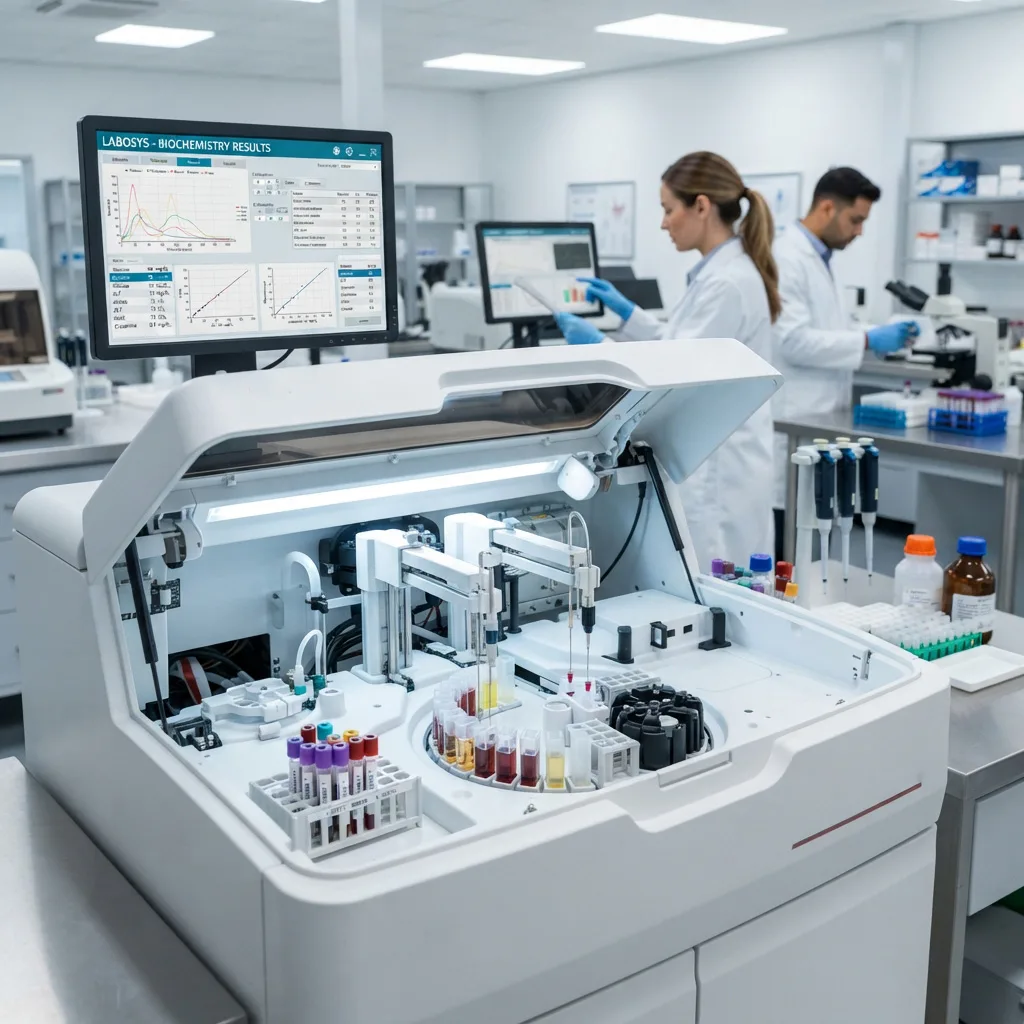
What is a clinical biochemistry analyzer? A biochemistry analyzer—also known as a clinical chemistry analyzer—is an automated medical laboratory instrument
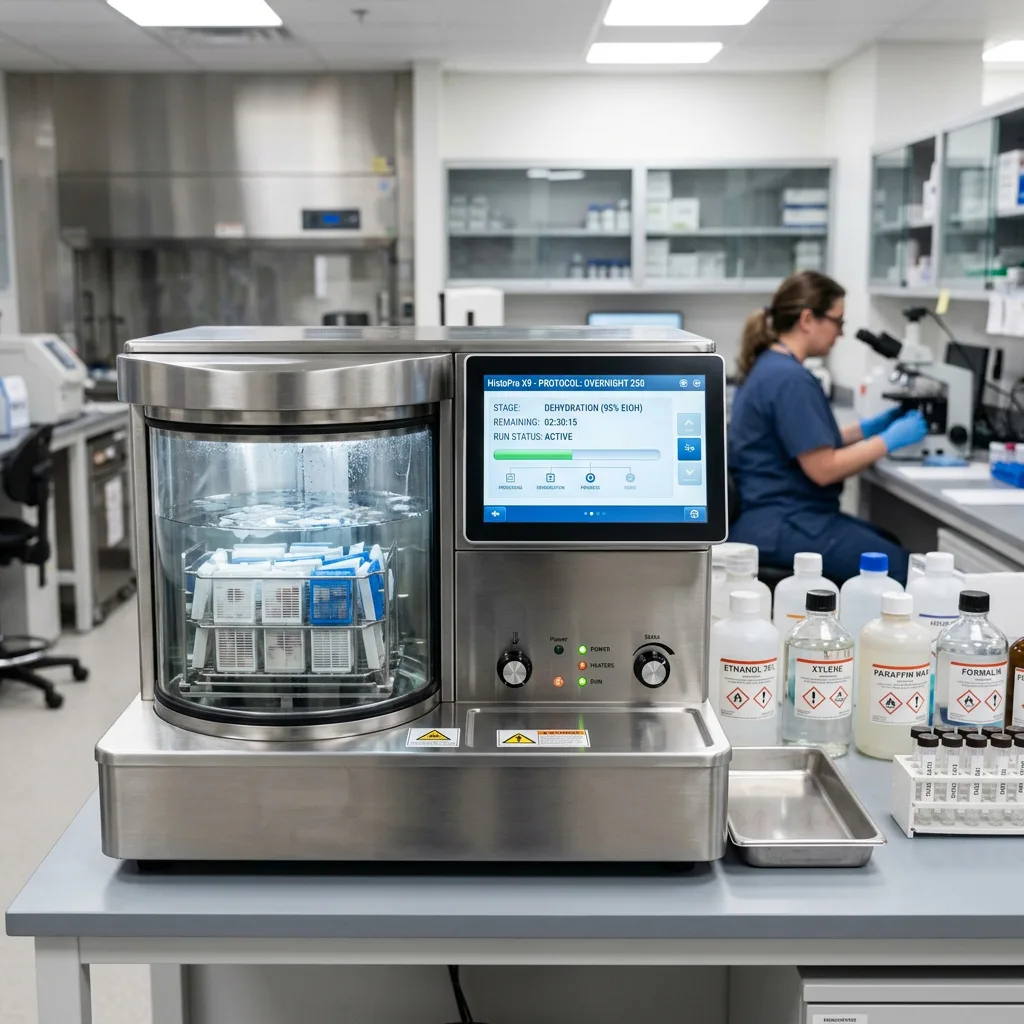
Microtome vs Tissue Processor: What Is the Difference? The easiest way to understand the two instruments is to look at
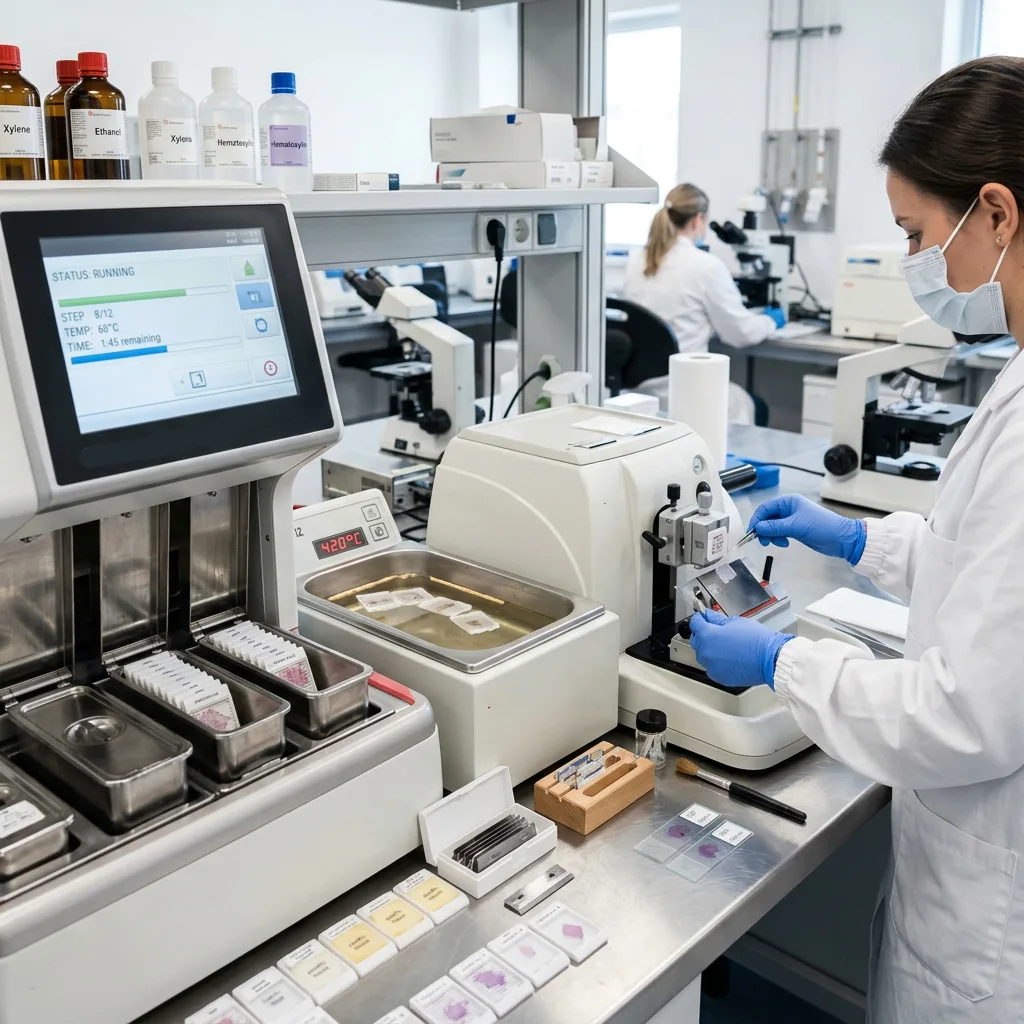
Start With Laboratory Workload The first specification buyers often notice is: Tissue processor capacity Capacity matters, but the largest number
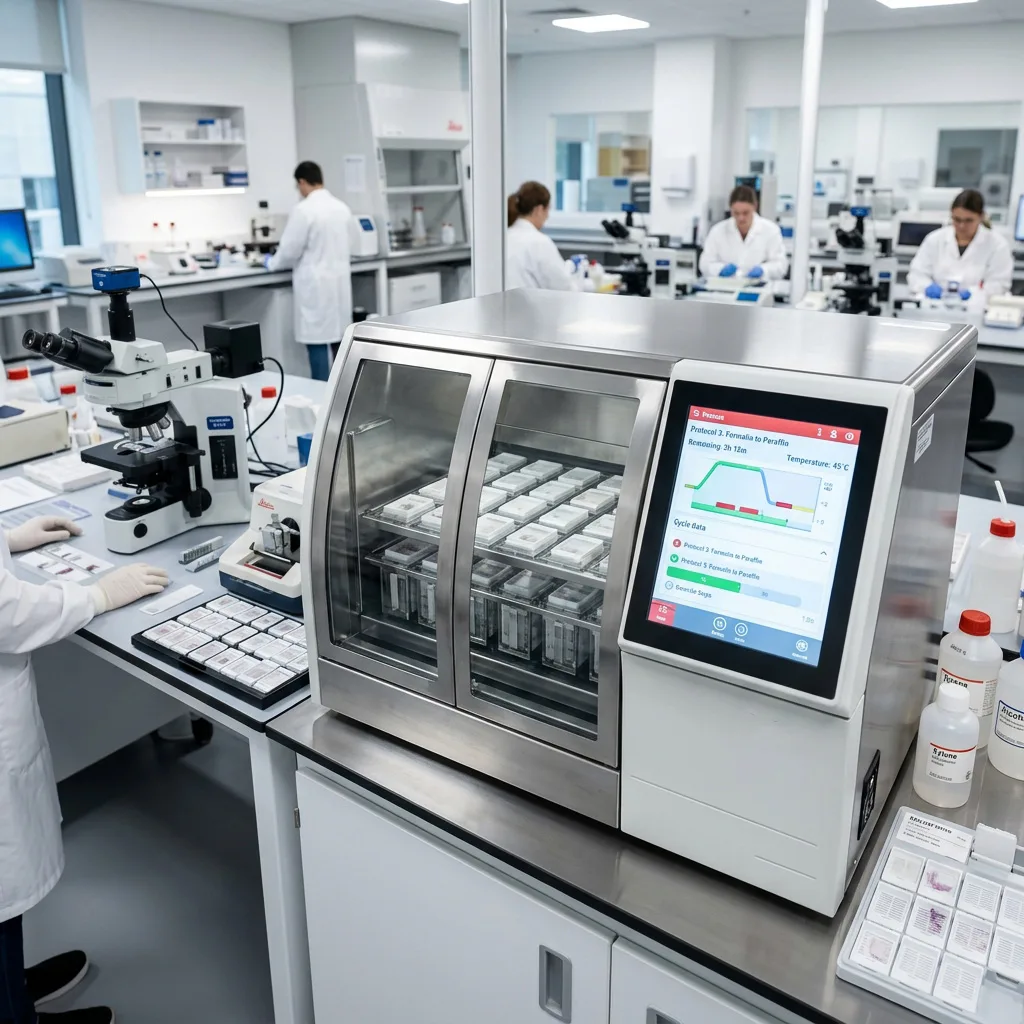
A Tissue Sample Cannot Go Straight to a Microtome A biopsy or surgical tissue specimen has been collected. It has
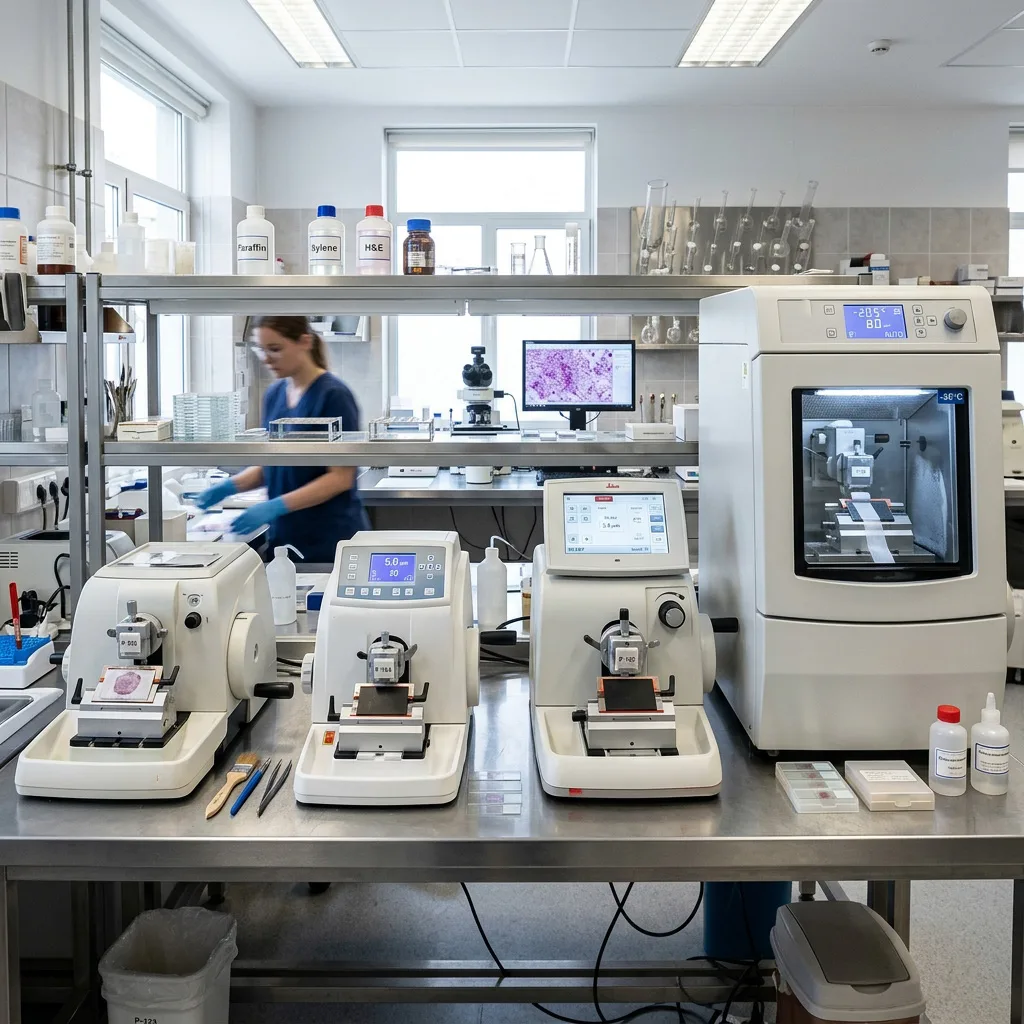
Manual vs Semi-Automatic vs Automatic Microtome One of the most common microtome purchasing questions is: Should I buy a manual,
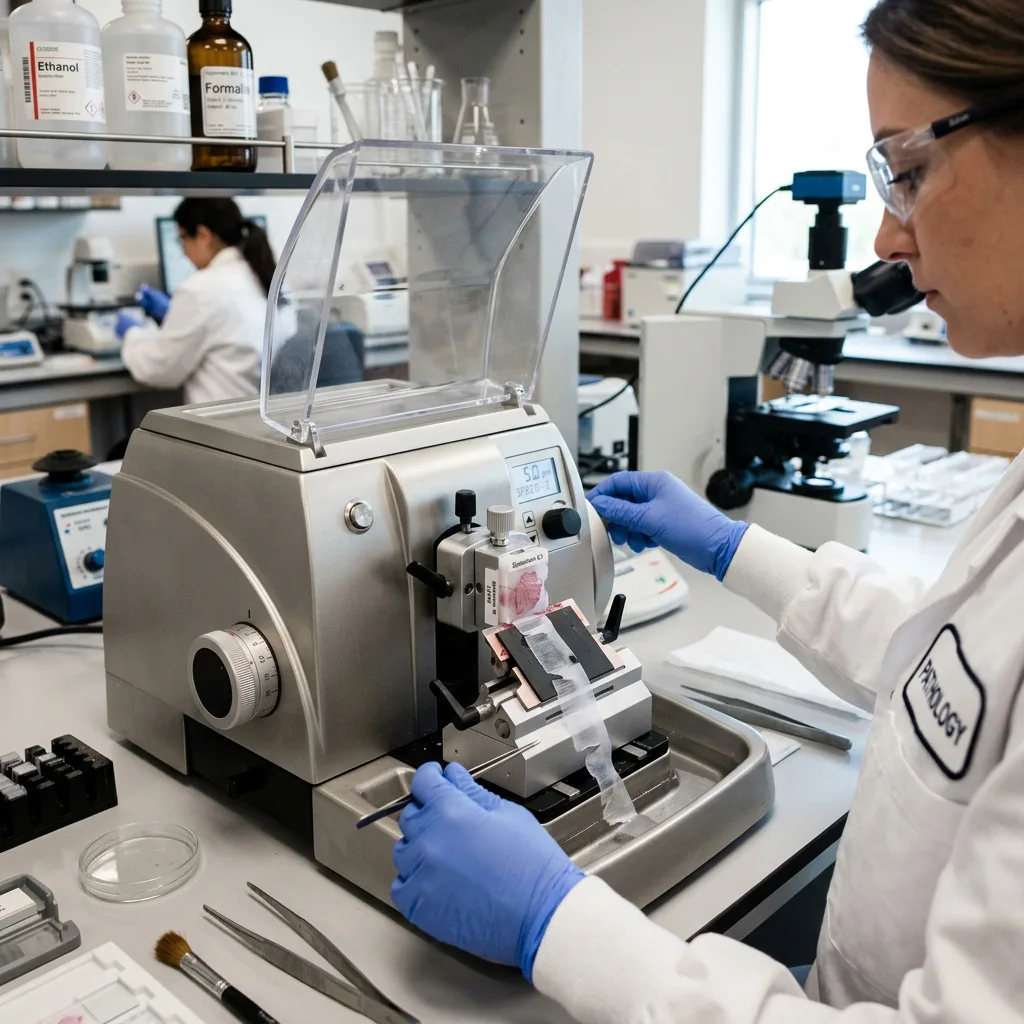
What Is a Microtome? A microtome is a laboratory instrument designed to produce thin, uniform sections of tissue or other
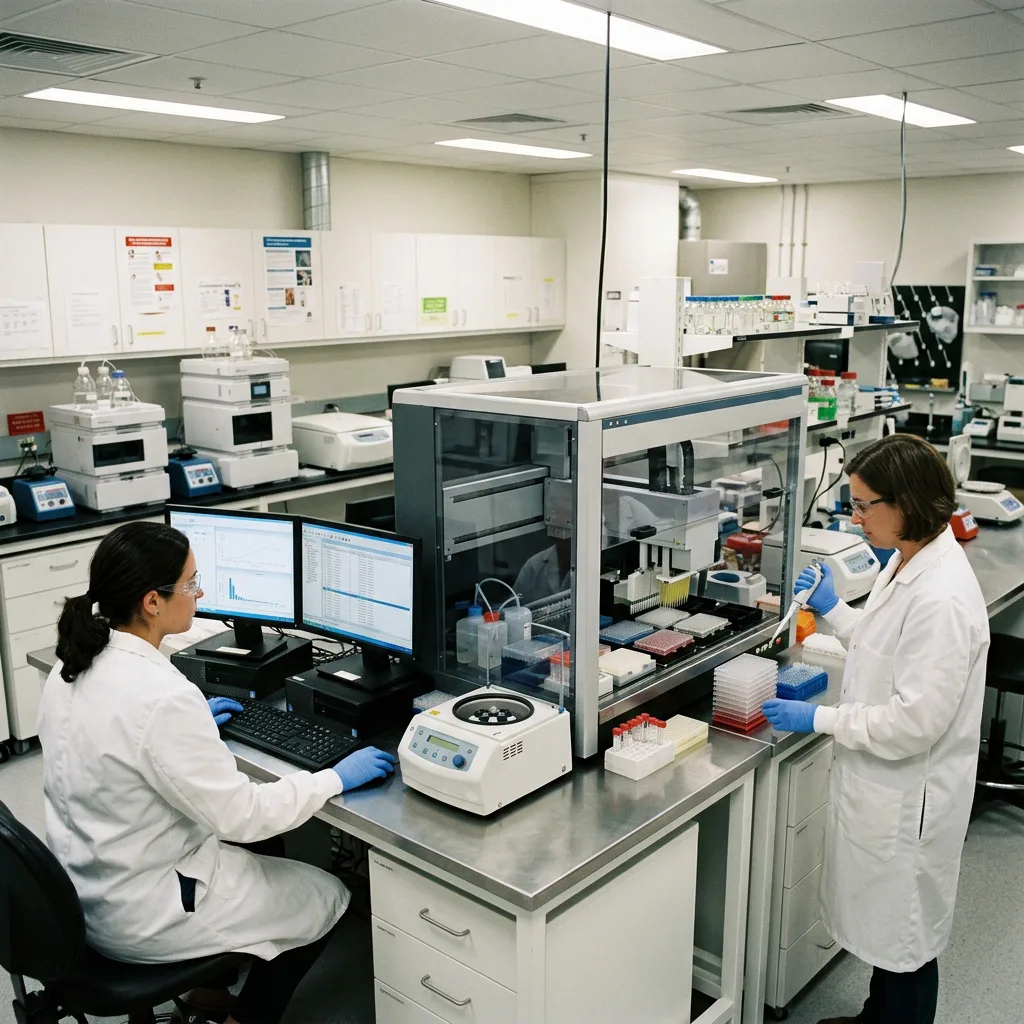
The Myth of the “Automated” Clinical Laboratory There is a pervasive myth in hospital procurement and clinical laboratory management: purchasing
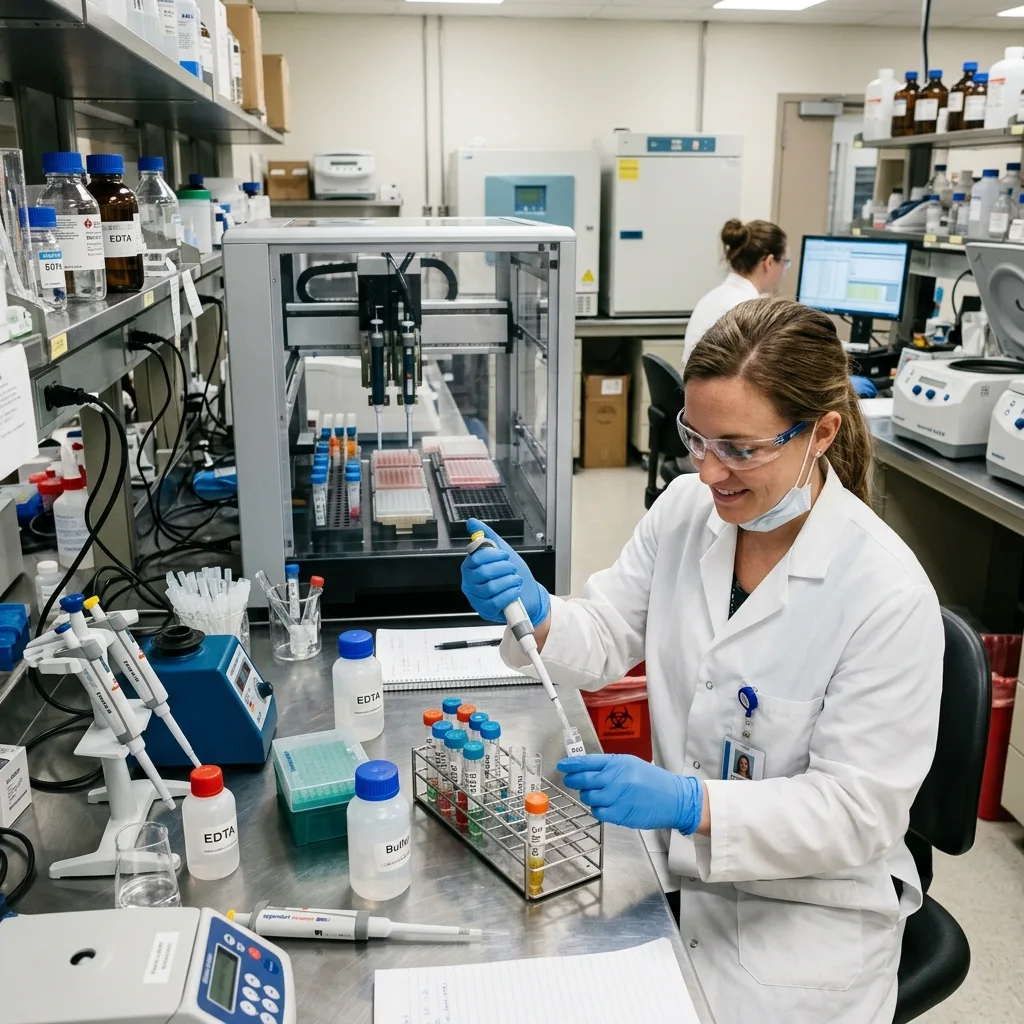
In a high-throughput clinical laboratory processing 1,000 tubes a day, a pre-analytical error rate of just 1.5 percent translates to
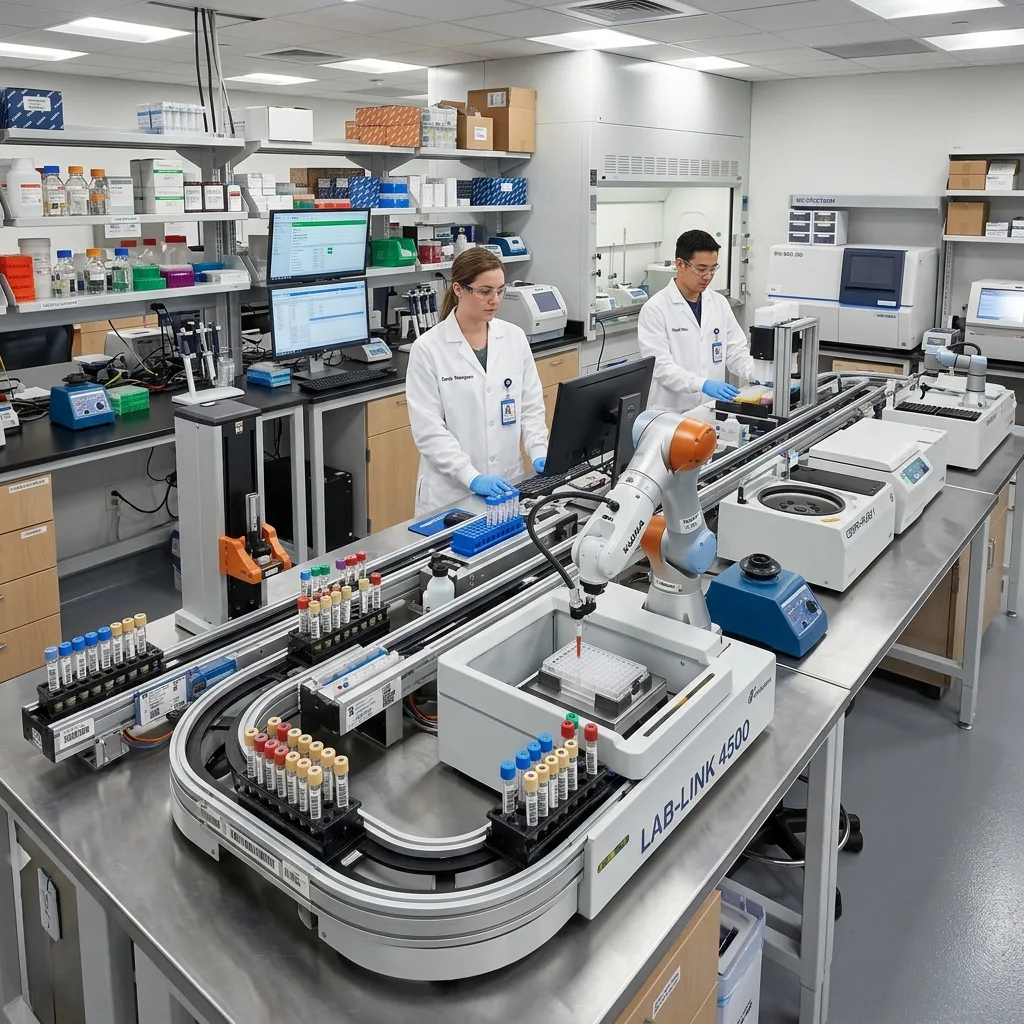
Walk into almost any high-throughput clinical laboratory, and you will notice a striking paradox. On one side of the room
