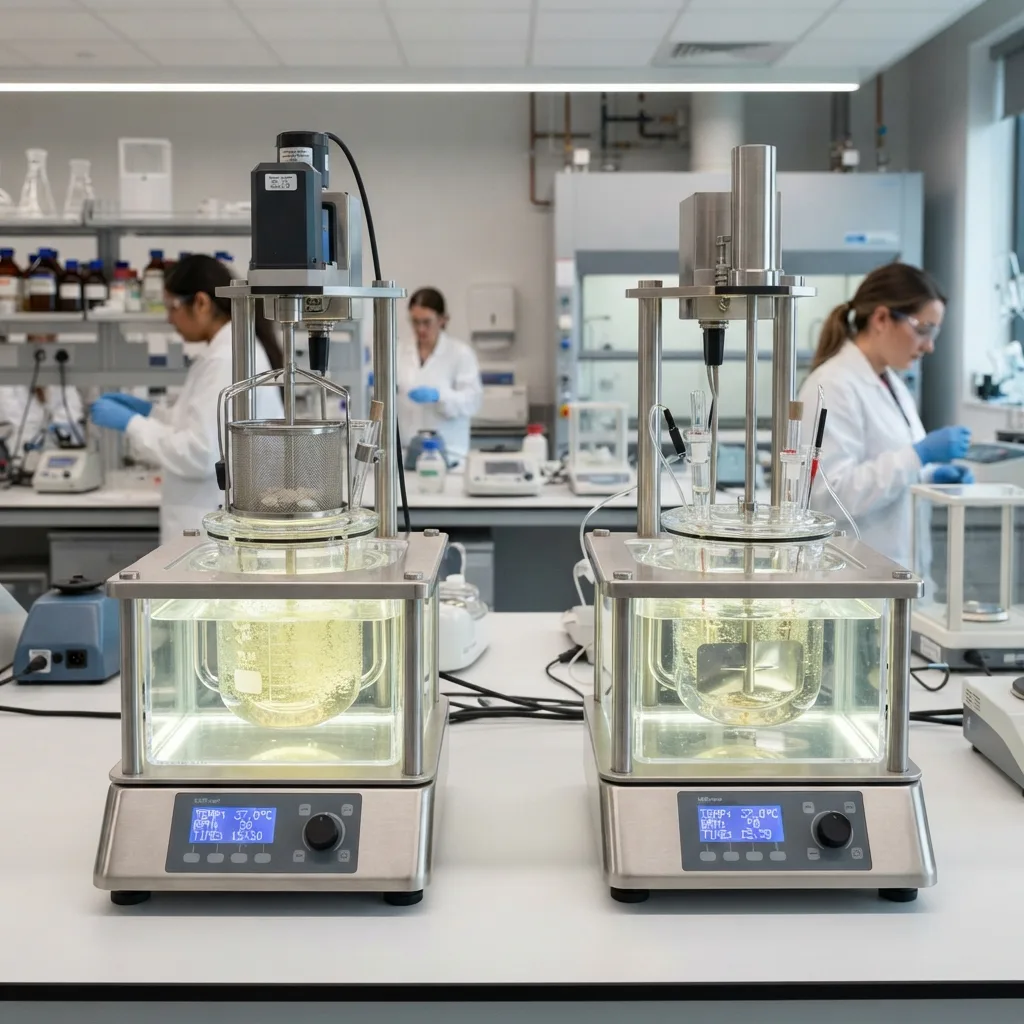
Pharmaceutical Dissolution Testing: USP 711 Apparatus 1 vs. 2, Media Preparation, and IVIVC
Without feeding every manufactured batch of a medication to human volunteers and drawing their blood, how do global regulatory agencies—such
Without feeding every manufactured batch of a medication to human volunteers and drawing their blood, how do global regulatory agencies—such

The Physics of the Crush: Why Speed Alters the Result Imagine taking two identical aspirin tablets from the exact same
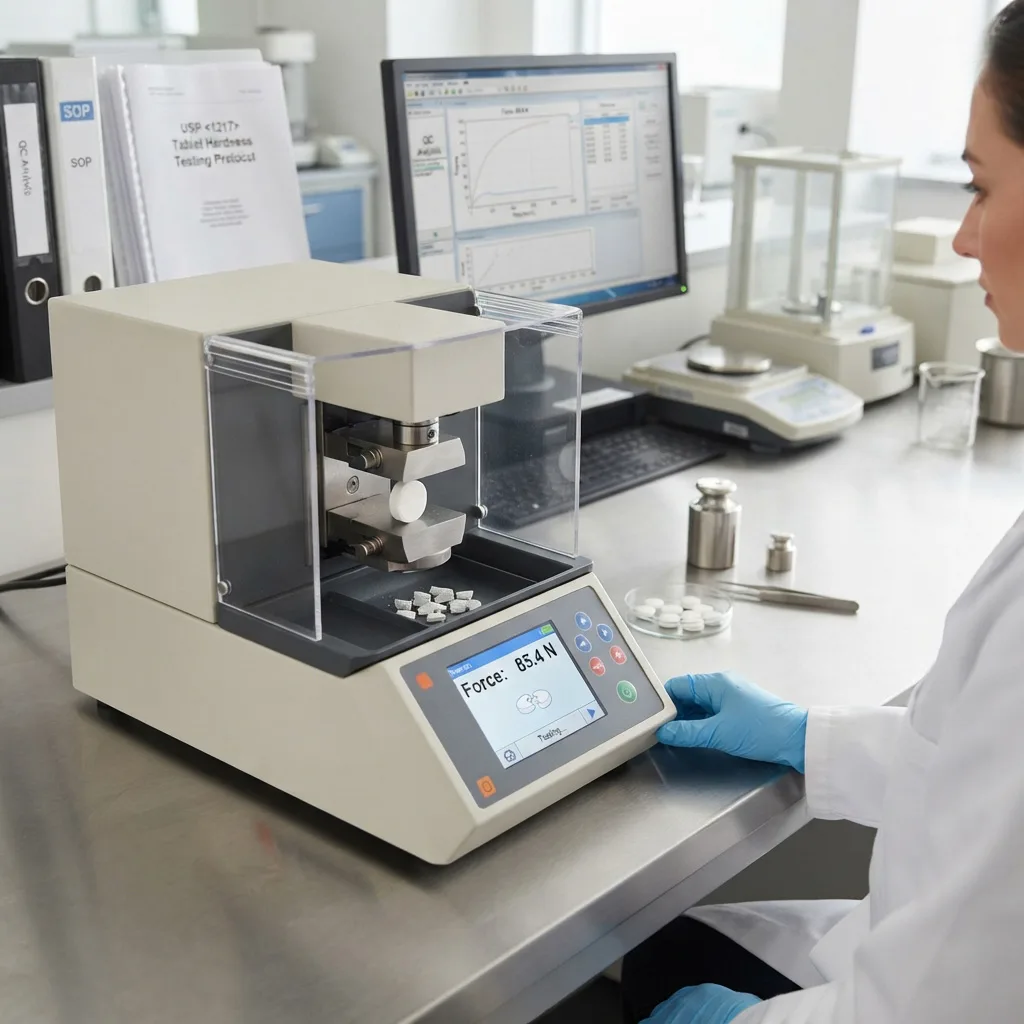
1. Demystifying the Terminology: Hardness vs. Breaking Force In metallurgy or mineralogy, “hardness” refers to a material’s resistance to surface
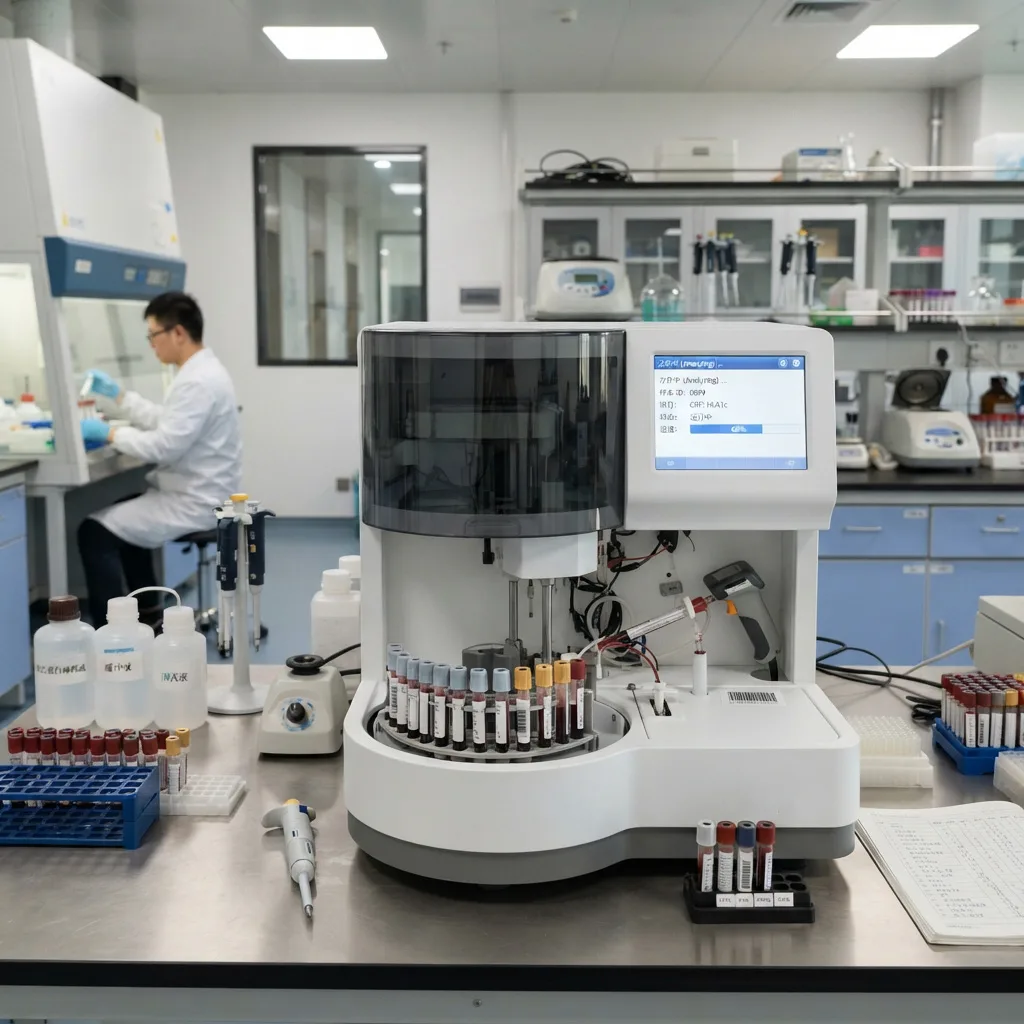
The 9:00 AM Morning Rush: The True Test of Laboratory Turnaround Time (TAT) Imagine a typical Monday morning at 9:00
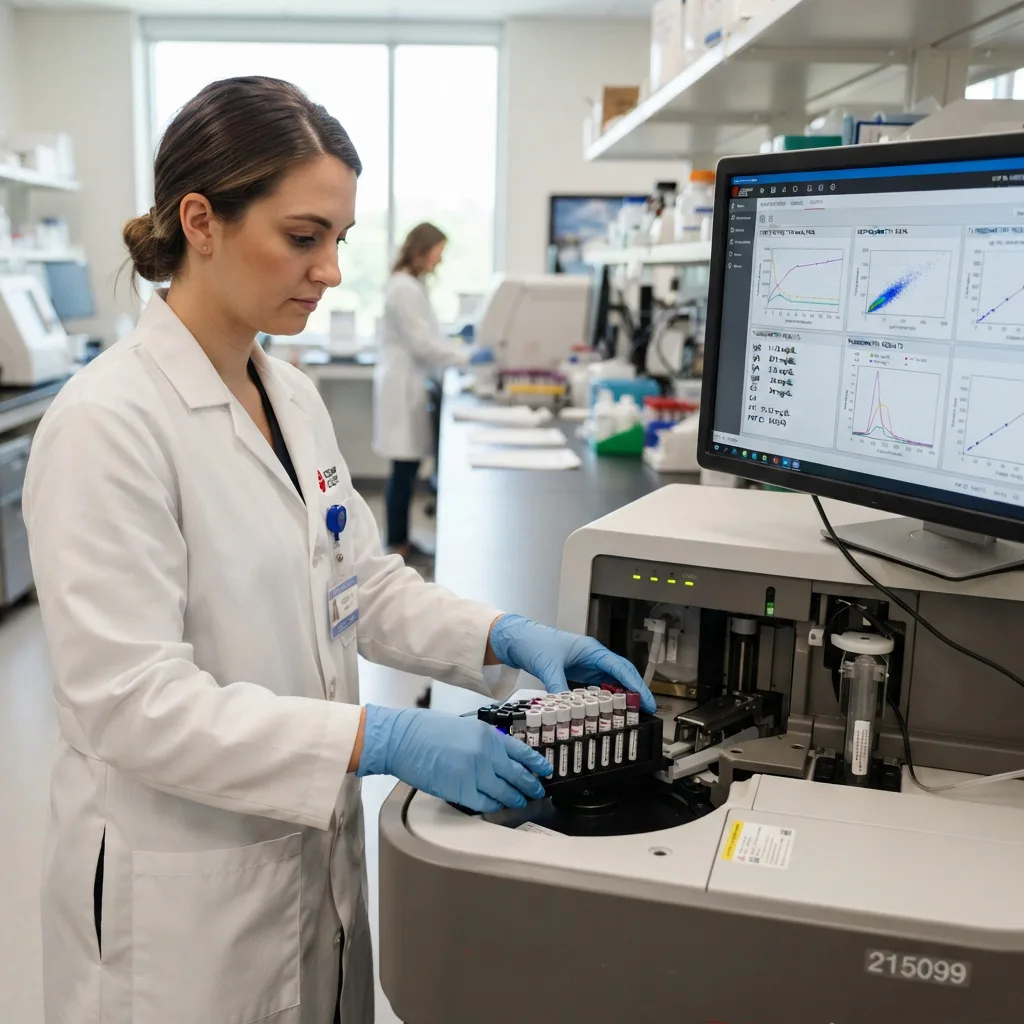
The Six-Hour Blind Spot in the Emergency Department: Why Routine Blood Counts Are Not Enough When a three-year-old child arrives
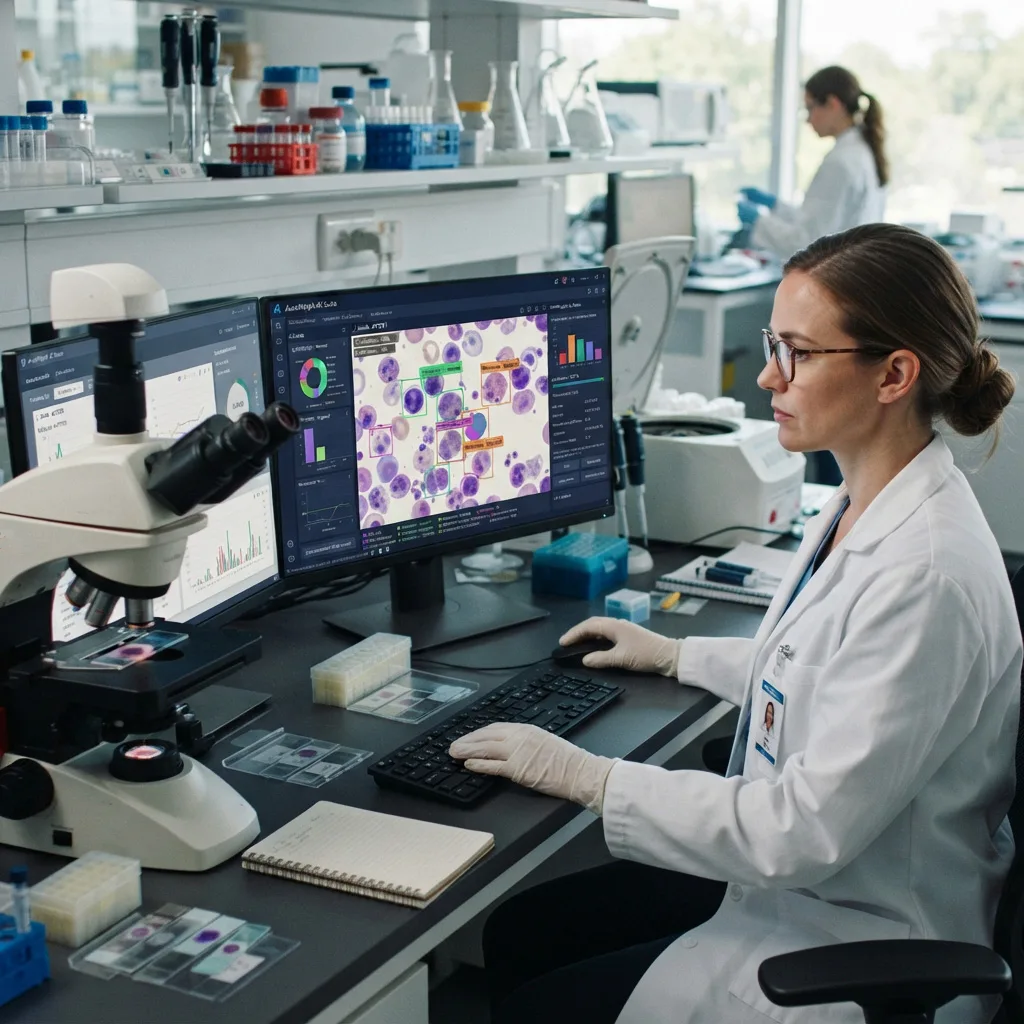
The Last Frontier of Laboratory Automation: Beyond the Blood Tube If you walk into a modern university hospital core laboratory
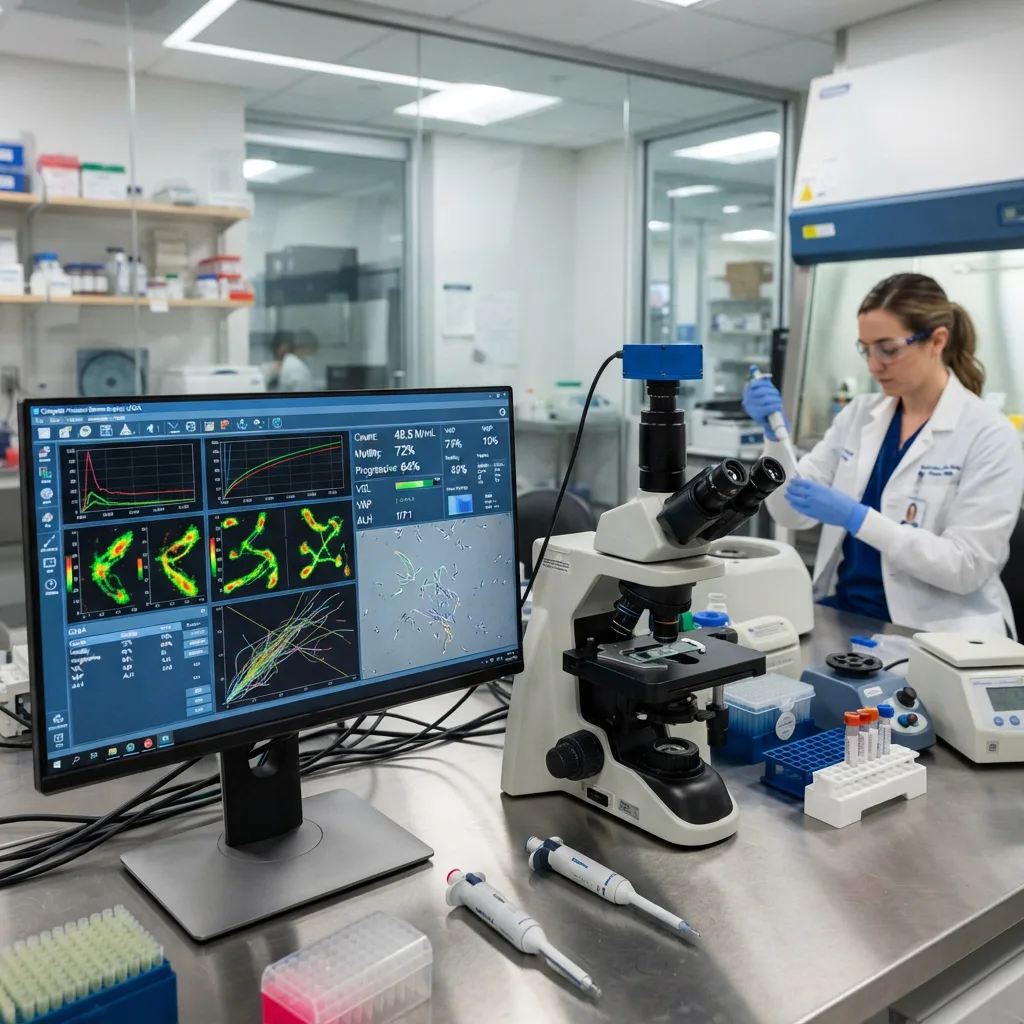
The 3-Degree Trap: Why Software Is Only as Good as Hardware When fertility clinic directors, urology department heads, and medical
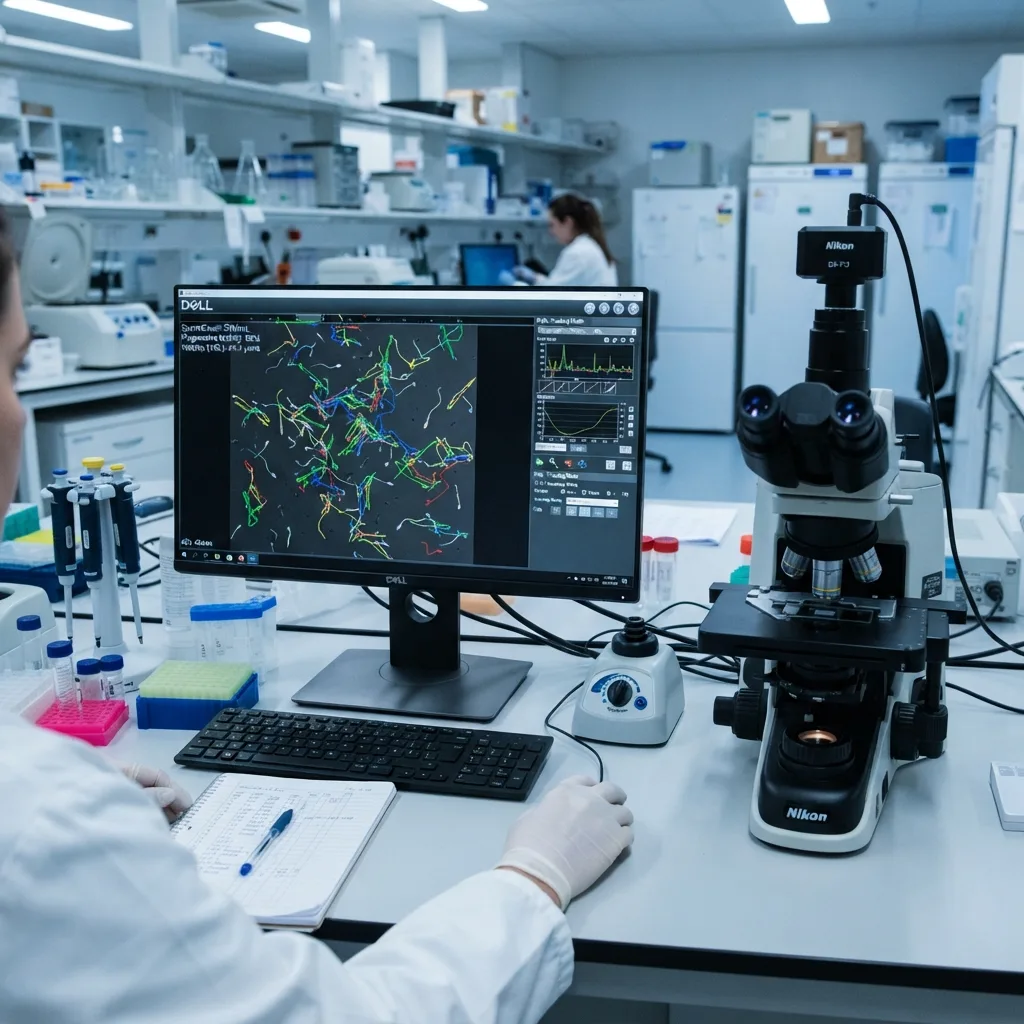
The 30% Subjectivity Crisis in Male Infertility Diagnostics Place two experienced clinical embryologists in front of a dual-headed manual microscope
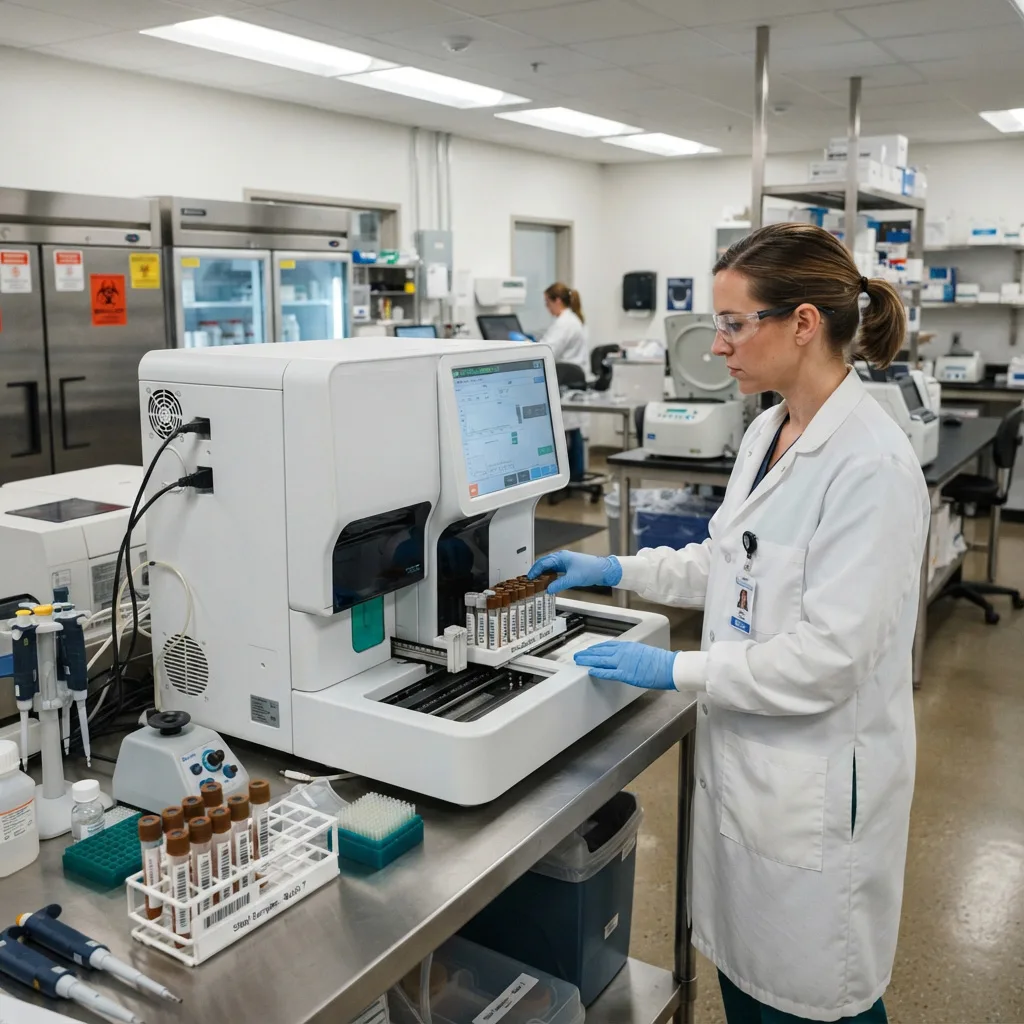
Deconstructing the Black Box: From Fibrous Matrix to Optical Monolayer in 60 Seconds Taking a homogeneous liquid like anticoagulated whole
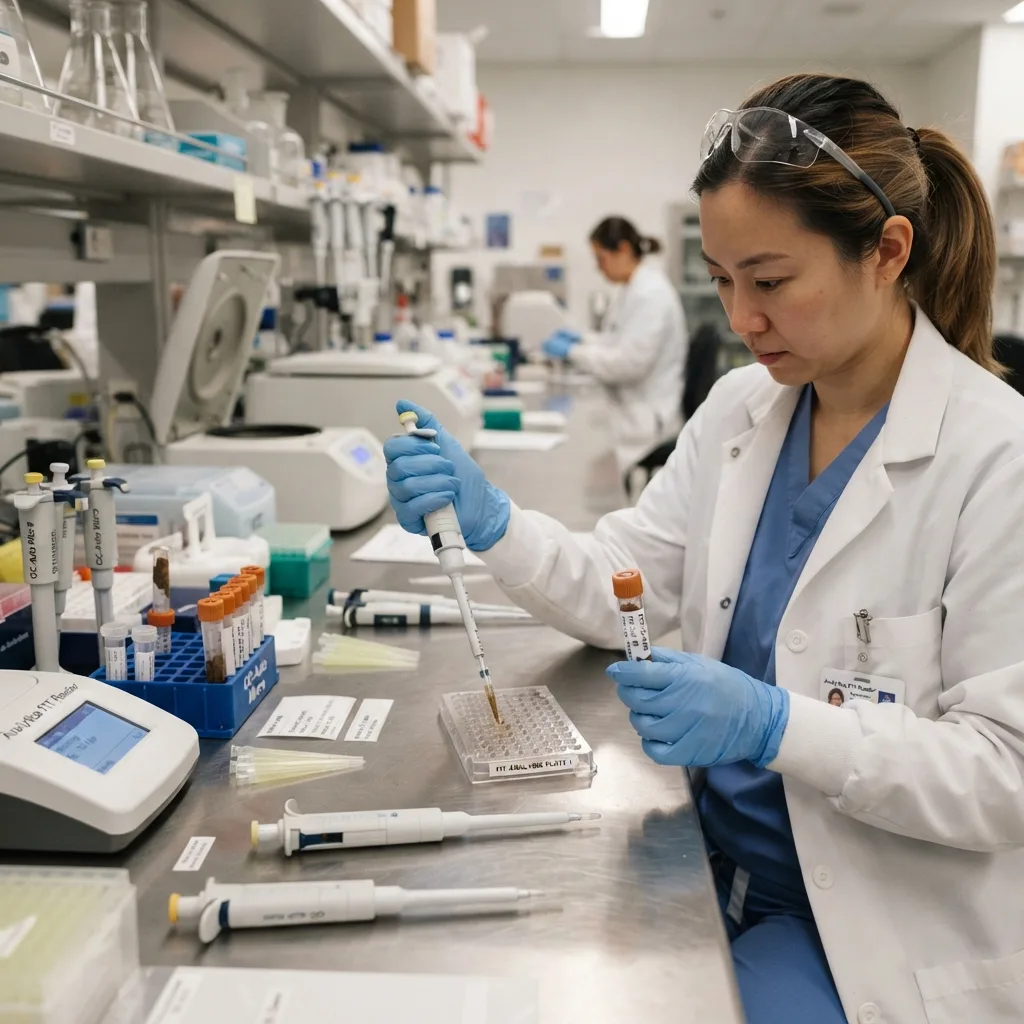
The Most Avoided Bench in the Clinical Laboratory Walk into almost any hospital pathology department or outpatient diagnostic laboratory, and
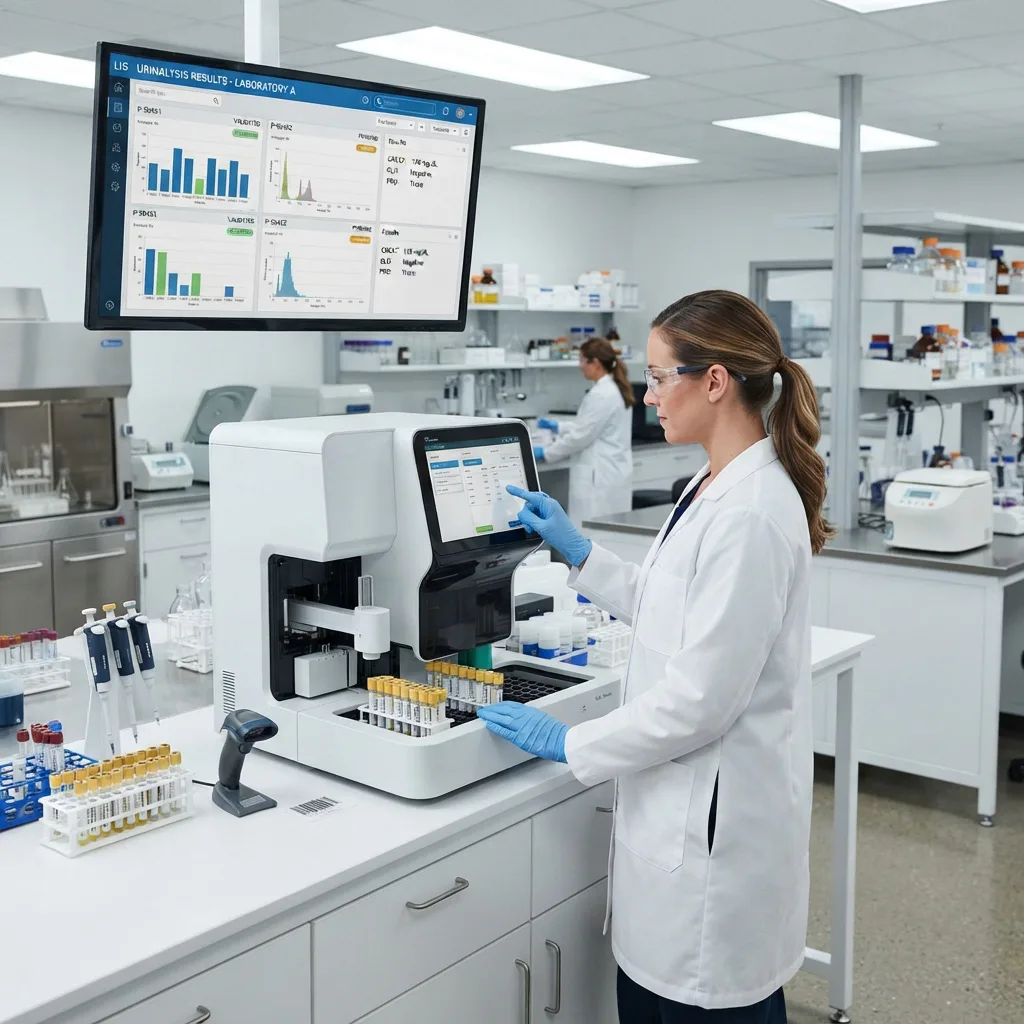
The 15% Iceberg: Why Initial Sticker Price Misleads Procurement Teams In clinical laboratory tenders, the upfront purchase price of a
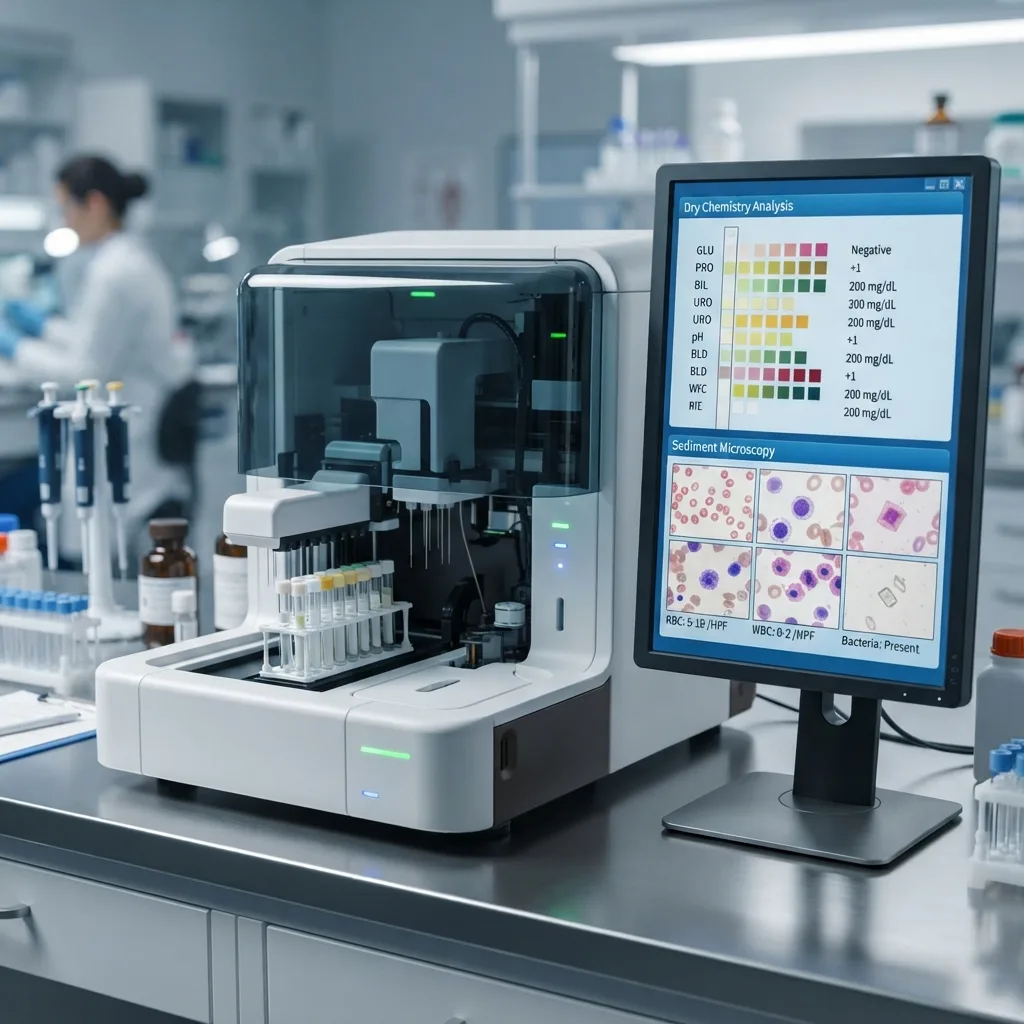
The Two-Hour Diagnostic Clock: Why Manual Urinalysis Fails at Scale Leave a freshly collected, unpreserved urine specimen sitting on a
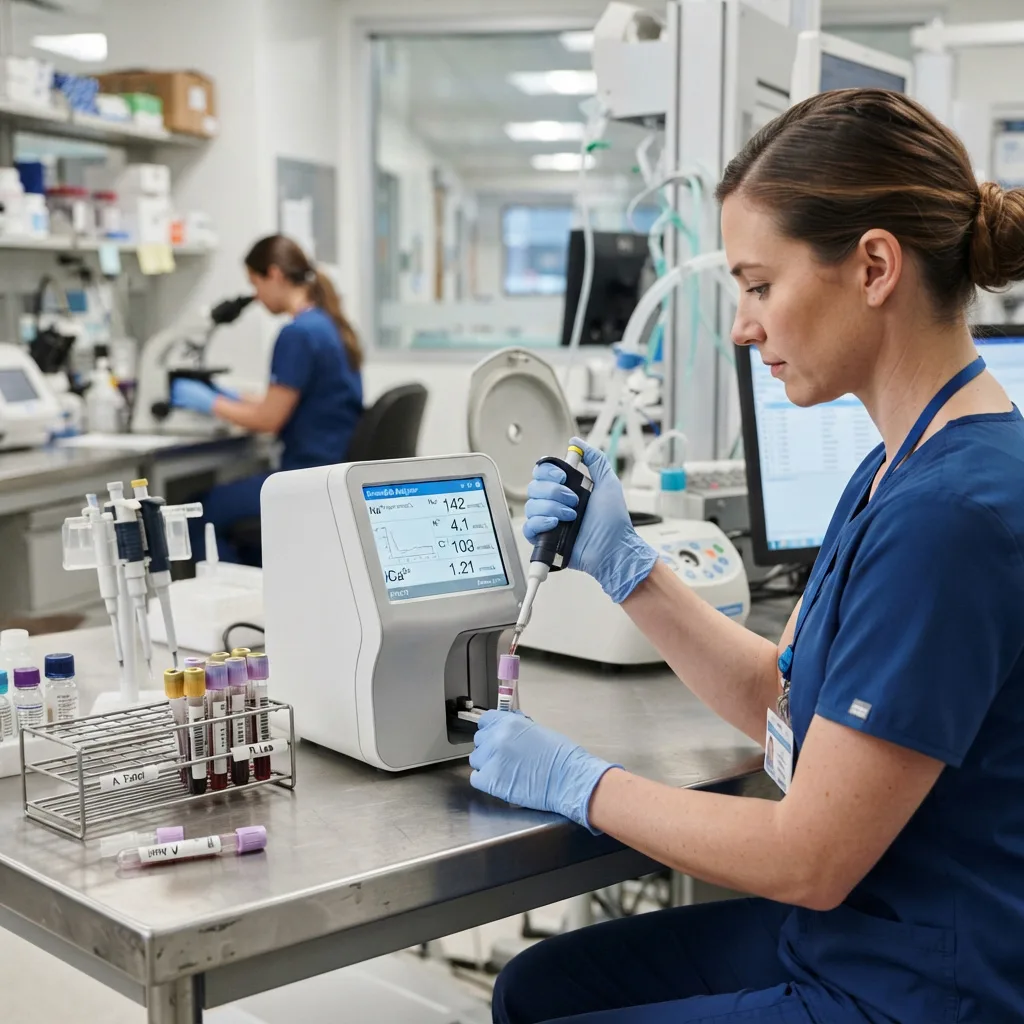
One Instrument, Different Healthcare Needs A hospital central laboratory may process electrolyte samples throughout the day. An emergency department may
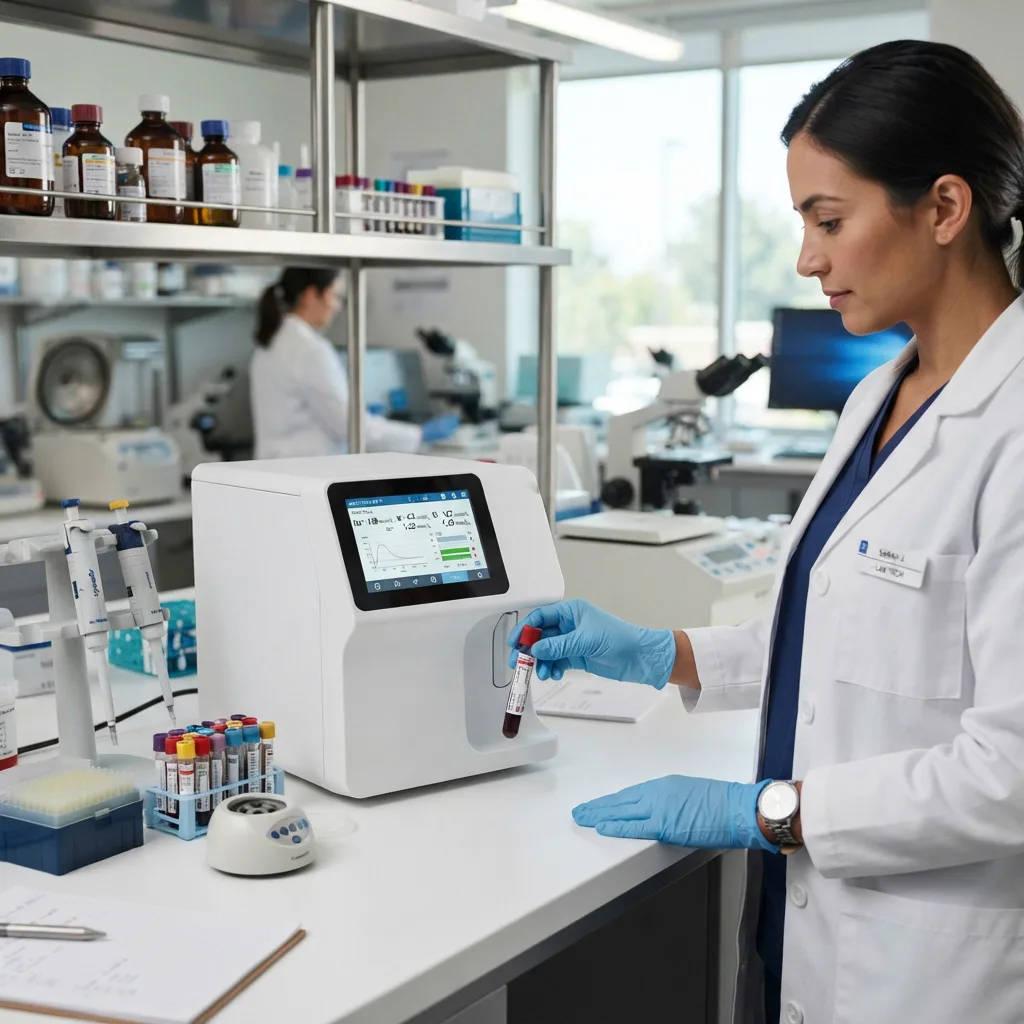
Two Analyzers May Look Similar. Their Running Costs Can Be Very Different. Imagine a diagnostic laboratory comparing two electrolyte analyzers.
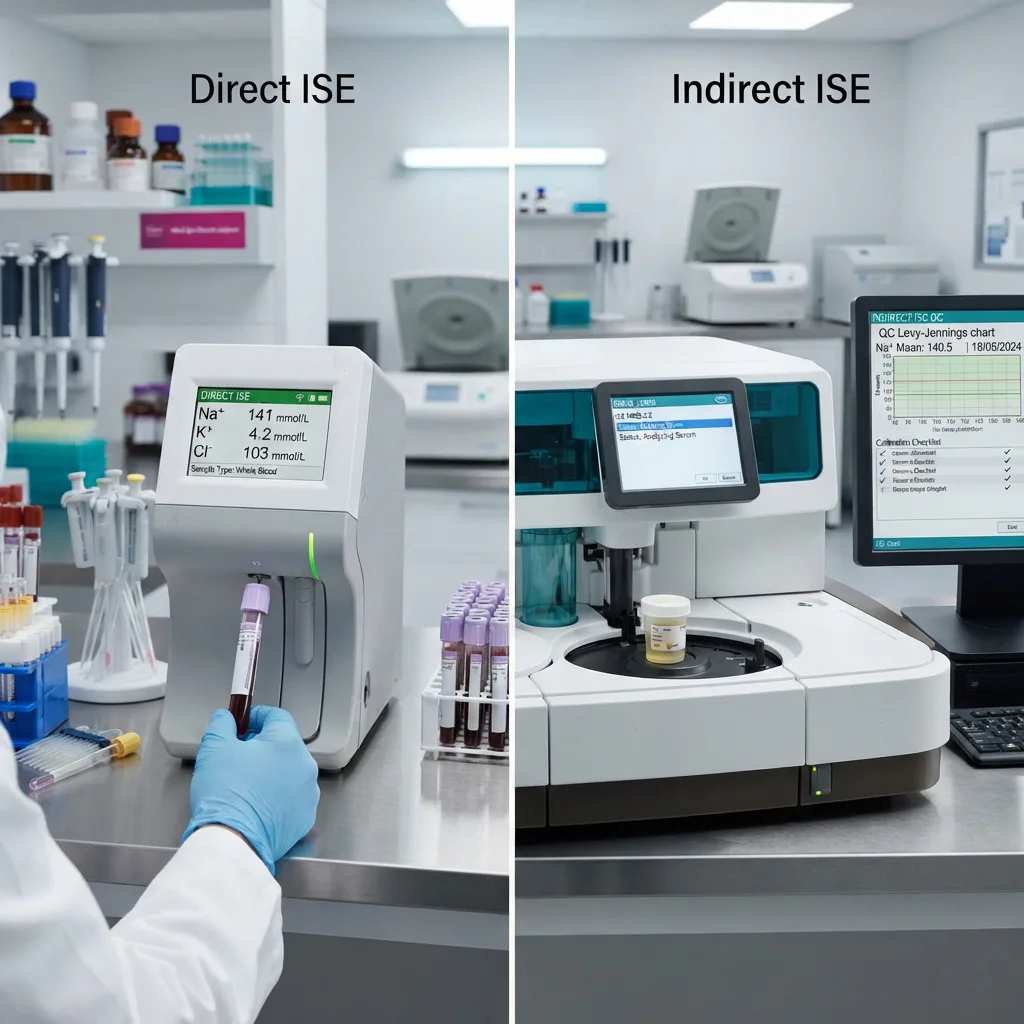
Two Analyzers, Two Different Sodium Results. What Should the Laboratory Check? A clinical laboratory measures sodium in a sample using
