X-Ray Protective Products: The Main Categories
The easiest way to understand the market is to divide X-ray protection products into four groups:
- Personal protective products
- Patient protection products
- Mobile and room shielding products
- Specialized radiation protection accessories
This structure also makes it easier for buyers to build a procurement list.
A typical radiology department may need only part of the range, while a fluoroscopy or interventional facility may need a much broader combination.
1. X-Ray Lead Aprons
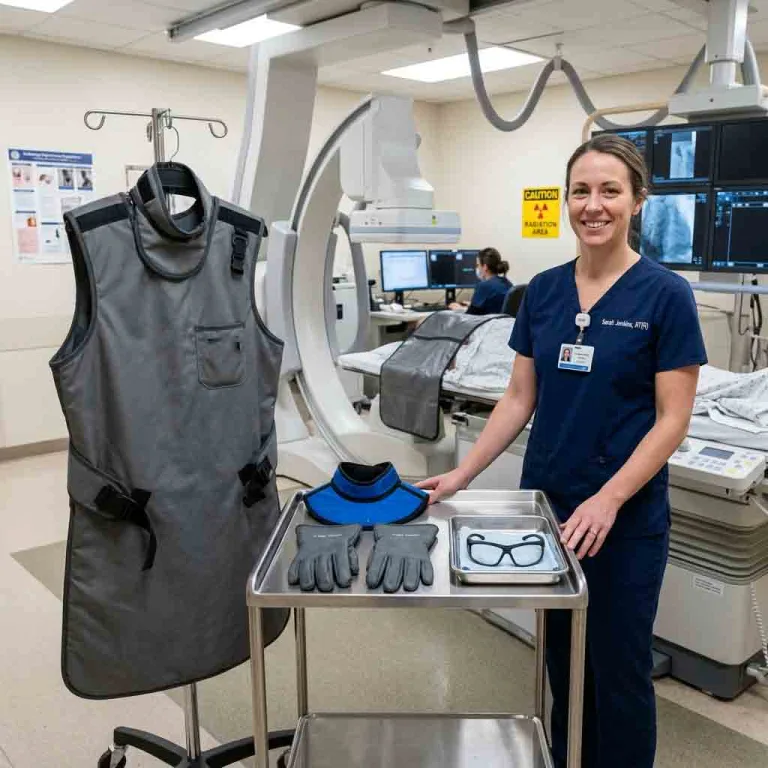
The lead apron remains one of the most recognizable products in medical radiation protection.
It is a wearable protective garment designed to reduce exposure from scattered X-rays to covered parts of the body when staff need to remain close to the patient or imaging procedure.
Common search terms include:
- X-ray lead apron
- lead apron
- X-ray protective apron
- radiation protection apron
- radiology apron
- medical lead apron
- leaded apron
- protective apron for X-ray
- radiation shielding apron
- X-ray radiation apron
- lead apron supplier
- lead apron manufacturer
Different apron designs may include:
- front protection apron
- wrap-around apron
- vest and skirt
- full-body apron
- dental X-ray apron
- lightweight radiation apron
- interventional radiology apron
The choice should reflect the working position and procedure rather than the product name alone.
For example, a worker occasionally assisting with a radiographic examination may have different requirements from an operator who spends long periods close to a patient during fluoroscopy.
IAEA guidance recommends appropriate protective aprons when staff members need to be close to the patient in relevant X-ray procedures.
2. Thyroid Shields and Thyroid Collars
A thyroid collar is designed to provide shielding around the neck.
It is commonly used together with an apron, particularly in applications where staff may receive scattered radiation while working close to the patient.
Common keywords include:
- thyroid shield
- thyroid collar
- lead thyroid collar
- X-ray thyroid protection
- radiation thyroid shield
- thyroid protector
- thyroid protection collar
- X-ray neck protection
- radiation protection collar
- fluoroscopy thyroid shield
A thyroid shield is not a substitute for overall radiation protection. It is one part of a broader protective strategy.
When comparing thyroid collars, buyers can examine:
- coverage
- fit
- fastening
- material
- protection specification
- compatibility with aprons
- comfort
- cleaning requirements
IEC 61331-3 specifically includes thyroid collars among the protective clothing products covered by its requirements for protection against diagnostic medical X-radiation.
3. Radiation Protective Eyewear
Radiation protection for the eyes deserves a separate product category.
Protective eyewear can be relevant in procedures where operators remain near the patient and may receive radiation scattered toward the head and eyes.
Common search terms include:
- radiation protection glasses
- X-ray protective glasses
- radiation protective eyewear
- lead glasses
- leaded eyewear
- X-ray safety glasses
- radiology protective glasses
- fluoroscopy glasses
- radiation shielding eyewear
- X-ray radiation glasses
Product designs may differ in:
- lens type
- frame style
- side protection
- nose bridge
- weight
- fit
- prescription compatibility
- protection specification
For interventional environments, eyewear may be considered together with an apron and thyroid protection rather than as an independent product.
IAEA guidance for diagnostic fluoroscopic procedures lists protective eyewear alongside protective aprons and thyroid shields when staff need to remain in the room.
4. X-Ray Protective Gloves
Protective gloves are designed for situations where additional hand protection may be appropriate.
Search behavior around this product is broad:
- X-ray protective gloves
- radiation protection gloves
- lead gloves
- X-ray lead gloves
- radiology gloves
- fluoroscopy gloves
- radiation shielding gloves
- medical radiation gloves
- protective gloves for X-ray
One important point is often misunderstood:
Protective gloves should not be treated as permission to place hands in the primary X-ray beam.
Good radiation protection still depends on positioning, distance, shielding, exposure control and safe operating procedures.
FDA lists radiographic protective gloves as a category of personnel protective shield.
When buying protective gloves, a medical facility may need to consider:
- size
- dexterity
- flexibility
- hand coverage
- material
- protection specification
- intended procedure
- compatibility with other PPE
Glove design becomes especially relevant when the user needs both hand protection and sufficient control of instruments.
5. Protective Lead Curtains
A protective curtain works differently from wearable radiation protection.
Instead of being worn by the operator, a protective curtain can provide shielding around a working area or equipment.
Typical applications include radiographic and fluoroscopic systems.
Search terms include:
- X-ray protective curtain
- radiation protection curtain
- lead curtain
- lead X-ray curtain
- radiographic protective curtain
- radiation shielding curtain
- X-ray table curtain
- fluoroscopy protective curtain
- C-arm lead curtain
Protective curtains may be integrated with imaging tables or positioned around radiation-producing equipment.
The FDA identifies radiographic protective curtain as a distinct category within personnel protective shields.
This distinction is useful for SEO as well as procurement:
X-ray protective clothing focuses on products people wear.
X-ray protective curtains focus on shielding the working environment.
Both belong to the larger topic of radiation protection.
6. Mobile X-Ray Barriers
A mobile radiation barrier is a movable protective screen used to create separation between radiation-producing equipment and personnel.
Searches include:
- mobile X-ray barrier
- movable X-ray barrier
- radiation protection screen
- mobile radiation protection screen
- X-ray protective screen
- lead radiation barrier
- mobile lead barrier
- radiology mobile shield
- portable X-ray barrier
- movable radiation shield
These products can be useful where room layout, patient location or workflow does not allow personnel to remain permanently behind a fixed structural barrier.
For example, mobile barriers may be considered in:
- hospital wards
- emergency departments
- operating rooms
- imaging departments
- mobile radiography environments
- procedure areas
The FDA currently classifies a movable X-ray control-panel barrier as a personnel protective shield.
The practical advantage of a mobile barrier is flexibility. The limitation is also flexibility: users need to position it correctly and consistently.
A barrier that is available but placed outside the useful shielding position does not provide the same benefit as a properly positioned barrier.
7. Ceiling-Suspended Protective Screens
Ceiling-suspended radiation protection screens are commonly associated with fluoroscopy and interventional procedures.
Instead of being worn, these screens are positioned between the operator and the radiation source.
Search terms include:
- ceiling suspended X-ray shield
- ceiling mounted radiation shield
- ceiling suspended radiation protection
- fluoroscopy ceiling shield
- interventional radiation protection screen
- X-ray ceiling shield
- suspended lead glass shield
- operator radiation protection screen
IAEA guidance identifies ceiling-suspended protective screens as protective devices that may be available in fluoroscopy and interventional radiology rooms.
These systems can be useful because they allow the operator to move while keeping a physical shielding element between the operator and the source of scattered radiation.
When evaluating this product category, buyers may need to look at:
- screen size
- movement range
- mounting configuration
- transparency
- positioning flexibility
- material
- cleaning
- compatibility with room layout
8. Protective Lead Glass and Radiation Shielding Windows
Not every radiation protection product is a wearable product or a mobile screen.
A medical imaging room may also require transparent shielding elements.
Common terms include:
- lead glass
- X-ray lead glass
- radiation protection glass
- leaded glass
- X-ray shielding glass
- radiation shielding window
- X-ray room lead glass
- radiology viewing window
- radiation protection window
Lead glass can be used where staff need visual observation while remaining behind a shielded window.
This can be especially useful in:
- X-ray rooms
- fluoroscopy rooms
- CT areas
- interventional facilities
- imaging control areas
The key procurement issue is not simply whether a product is called “lead glass.” Buyers should review the technical specification, dimensions, frame construction and shielding performance required for the installation.
Because room shielding depends on the entire design, a glass window should not be evaluated as an isolated product without considering walls, doors, viewing areas and equipment position.
9. Patient Radiation Protection Products
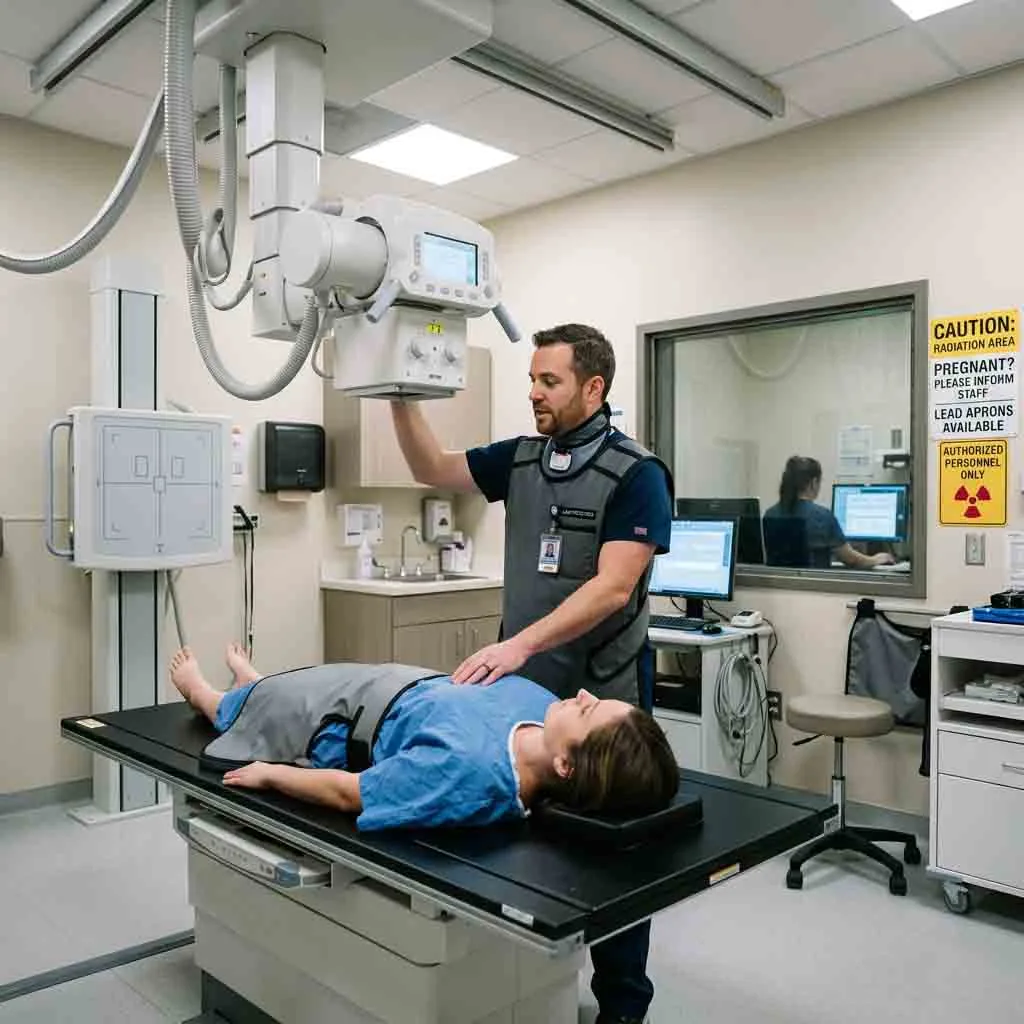
X-ray protection is not limited to staff.
Some products are designed specifically for patient protection or localized shielding.
Search terms include:
- patient X-ray protection
- patient radiation protection
- X-ray patient shield
- radiation protection shield for patient
- gonadal shield
- gonad protection
- reproductive organ shield
- patient lead apron
- dental patient protection
- pediatric X-ray protection
FDA’s radiological product classification also includes gonadal shields among personnel protective shield categories. IEC 61331-3 also addresses protective devices for patient protection, including gonad protection products.
However, patient shielding should always be considered within the current imaging protocol and applicable clinical guidance.
Modern radiation protection is not simply a matter of putting a shield on every patient during every X-ray examination.
The actual approach can depend on the body region, examination type, beam geometry, clinical need, facility protocol and applicable recommendations.
This is an important distinction for medical websites because phrases such as “X-ray patient shield for every examination” can oversimplify a more complex clinical decision.
10. Gonadal Shields
Gonadal protection is a more specific type of patient or localized shielding.
Common search terms include:
- gonad shield
- gonadal shield
- X-ray gonad protection
- gonad protector
- reproductive organ shield
- pelvic radiation shield
- lead gonad shield
- patient gonadal protection
These products are generally intended for specific applications where local shielding is appropriate.
Because imaging practices and recommendations can change depending on the examination, buyers should use current clinical guidance rather than rely only on older product descriptions.
The FDA identifies gonadal shields as a separate radiological protection product category.
11. Protective Shields for Special Applications
Some radiation protection products are less visible in general search results but can be important for specialized workflows.
Examples include:
- lead syringe shields
- vial shields
- equipment-mounted shielding
- patient table shielding
- operator screens
- protective panels
- specialized radiation barriers
The FDA classification database includes lead syringe holders and vial shields in the personnel protective shield category.
These products can be important in facilities where imaging, radiology procedures, or radiation-related workflows involve additional equipment beyond the X-ray generator and patient table.
For SEO, they also open up a useful layer of niche long-tail keywords.
X-Ray Protective Products by Medical Application
Instead of choosing products one by one, many procurement teams start with the medical application.
This produces a more practical shopping list.
General Radiography
Common considerations may include:
- X-ray lead apron
- thyroid collar
- mobile barrier
- protective screen
- radiation protection window
In many routine examinations, staff can remain behind structural shielding during exposure. WHO occupational radiation guidance emphasizes restricting access, training workers and using adequate personal protective equipment when needed.
Fluoroscopy
Fluoroscopy generally creates a more demanding radiation protection environment because personnel may remain close to the patient for longer periods.
Typical products may include:
- wrap-around apron
- thyroid shield
- radiation glasses
- protective gloves
- ceiling-suspended shield
- table-mounted protective curtain
- mobile radiation barrier
IAEA guidance identifies protective aprons, thyroid shields, protective eyewear and additional shielding as relevant measures for diagnostic fluoroscopic procedures.
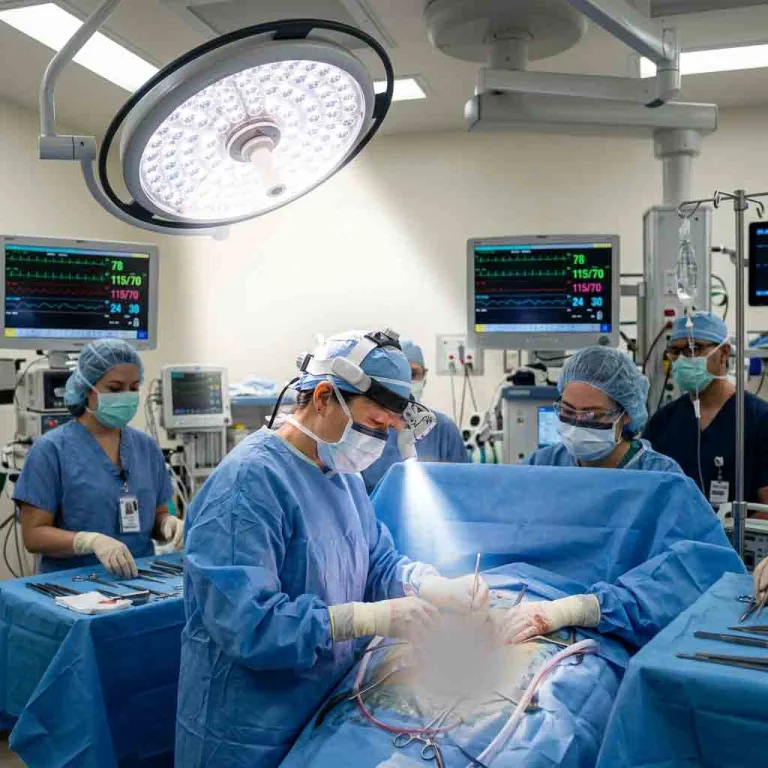
C-Arm Operating Room
C-arm imaging creates a strong connection between X-ray equipment and surgical radiation protection.
Search terms include:
- C-arm radiation protection
- C-arm protective equipment
- C-arm lead apron
- C-arm radiation shield
- operating room X-ray protection
- surgical radiation protection
- C-arm lead curtain
- mobile C-arm radiation protection
A typical protection setup can involve both wearable and fixed or movable products.
For example:
Staff: apron + thyroid collar + eyewear
Room: mobile shield + protective curtain
The exact combination depends on procedure design and local radiation protection assessment.
This also gives a medical equipment website an opportunity to link its C-arm machine content with its radiation protection content.
Dental X-Ray
Dental clinics may search for:
- dental lead apron
- dental X-ray protection
- dental thyroid collar
- dental radiation shield
- dental X-ray protective equipment
- patient X-ray protection
- dental radiation protection products
The product list for dental imaging is usually smaller than a large interventional suite, but the same general principles still apply: appropriate technique, beam limitation, positioning, shielding when indicated, and minimizing unnecessary exposure.
Mobile X-Ray
Mobile X-ray creates a different procurement challenge because the examination is performed in a clinical location rather than a standard imaging room.
Potential products include:
- portable X-ray apron
- mobile X-ray barrier
- radiation protection screen
- portable lead screen
- mobile radiography shielding
- bedside X-ray protection
IAEA guidance for emergency departments notes the use of lead aprons for staff who need to remain adjacent to the patient and recommends mobile shields where available.
Veterinary X-Ray Protection
The same product categories appear in veterinary imaging:
- veterinary X-ray apron
- veterinary radiation protection
- veterinary lead apron
- veterinary lead gloves
- veterinary thyroid collar
- veterinary X-ray protective equipment
- veterinary radiation shield
The working environment can differ substantially from human healthcare, so product sizing and workflow should be considered carefully.
Veterinary clinics may also need equipment that is easier to move, clean and store because several examination spaces may share the same protection products.
Personal Protection vs Environmental Protection
This is one of the easiest ways for a buyer to understand the difference between product categories.
Personal Protection
Products worn or used directly by personnel:
- lead apron
- thyroid collar
- radiation glasses
- protective gloves
- lead vest
- lead skirt
Environmental or Positioning Protection
Products that create shielding around the working area:
- mobile X-ray barrier
- ceiling-suspended screen
- lead curtain
- lead glass
- protective panel
- table-mounted shield
Patient Protection
Products designed for patient or localized shielding:
- patient shield
- gonadal shield
- specialized patient protective devices
This classification is also useful when preparing a hospital purchase order because it separates PPE requirements from room shielding requirements.
How to Build an X-Ray Protective Products List for a Hospital
A hospital procurement team can start with the room rather than the catalog.
Radiography Room
Possible list:
- protective aprons
- thyroid collars
- mobile barrier
- protective viewing window
Fluoroscopy Room
Possible list:
- wrap-around aprons
- thyroid collars
- radiation eyewear
- protective gloves
- ceiling-suspended shield
- table-mounted protective curtain
C-Arm Operating Room
Possible list:
- lead aprons
- thyroid protection
- radiation glasses
- mobile barrier
- C-arm protective curtain
Dental Clinic
Possible list:
- dental protective apron
- thyroid protection when indicated
- patient protection products where appropriate
The final list should reflect the radiation protection assessment, equipment configuration and applicable local requirements.
What Should Buyers Check Before Purchasing?
A product photograph is not enough to evaluate an X-ray protection product.
For each item, buyers should consider:
Product Type
Is it a lead apron, curtain, mobile barrier, eyewear, glove or another shield?
Intended Application
Is it intended for:
- general radiography
- fluoroscopy
- C-arm surgery
- dental imaging
- interventional radiology
- mobile X-ray
- veterinary imaging
Protection Specification
Review the manufacturer’s stated protection or attenuation information and the applicable test method or standard.
IEC 61331-3 addresses minimum attenuation properties, design, materials, sizing, marking and conformity statements for covered protective devices.
Size and Coverage
A product may have an appropriate protection specification but still be unsuitable if its coverage or dimensions do not fit the application.
Weight and Mobility
This matters especially for:
- aprons
- vest-and-skirt systems
- mobile barriers
- protective screens
Installation
For fixed products such as lead glass or structural shielding, installation should be considered as part of the room design.
Documentation
Depending on the market, buyers may request:
- technical datasheet
- product specification
- test information
- conformity documents
- labeling information
- instructions for use
- packaging details
How UMY Approaches X-Ray Protection Products
For a medical equipment supplier, radiation protection products can also fit into a broader imaging equipment procurement project.
UMY Medical Equipment Co., Ltd. currently publishes a radiation protection suit with a lead apron and lead collar under SKU UMY-XMPR-001. The published product information lists CE certification, a one-year warranty, online technical support, and stated lead-equivalence options of 0.35 mmPb and 0.55 mmPb.
This type of product can be relevant when a buyer is sourcing X-ray equipment together with supporting radiation protection products.
For larger projects, it can also be useful to distinguish between:
X-ray machine procurement
and
X-ray room and radiation protection procurement.
They are related, but they are not the same purchasing requirement.
Common X-Ray Protective Product Searches
Buyers may use very different language to describe the same purchasing need.
For example:
Product-focused searches
- X-ray protective products
- radiation protection products
- X-ray shielding equipment
- radiation protection equipment
- medical radiation protection products
Apron searches
- X-ray lead apron
- lead apron supplier
- lead apron manufacturer
- radiation protection apron
- X-ray protective apron
Barrier searches
- mobile X-ray barrier
- movable radiation shield
- X-ray protective screen
- radiation protection screen
- mobile lead barrier
Curtain searches
- X-ray protective curtain
- lead curtain
- radiation shielding curtain
- radiographic protective curtain
Glass searches
- X-ray lead glass
- radiation protection glass
- leaded glass window
- X-ray shielding window
Eye and hand protection
- radiation protection glasses
- X-ray protective eyewear
- X-ray protective gloves
- radiation protection gloves
Patient searches
- patient X-ray protection
- gonadal shield
- patient radiation shield
- X-ray patient protective equipment
This is why one product page alone usually cannot cover the entire X-ray protective products search landscape.
X-Ray Protective Products and Radiation Safety
Protective products are only one part of a complete radiation protection program.
WHO’s current occupational radiation guidance recommends restricting access to radiation areas, training workers, monitoring occupational exposure and providing adequate personal protective equipment such as protective clothing, aprons, gloves and organ shields.
IAEA guidance also emphasizes the importance of worker position, distance from the patient, protective equipment and fixed or movable shielding during procedures involving medical X-rays.
This means a hospital should not evaluate radiation protection products in isolation.
A complete approach can involve:
Time
Reduce unnecessary exposure duration.
Distance
Increase distance from the radiation source when practical.
Shielding
Use appropriate structural and protective shielding.
Positioning
Avoid unnecessary exposure to scattered radiation.
Equipment
Use suitable imaging equipment and exposure techniques.
Training
Make sure personnel understand the radiation protection procedures.
Monitoring
Use occupational radiation monitoring as required by the facility and applicable rules.
The products support the radiation protection program; they do not replace safe working practices.
X-Ray Protective Products: Procurement Checklist
Before requesting quotations from manufacturers or suppliers, buyers can prepare a simple specification sheet.
Project
Hospital / clinic / dental practice / operating room / veterinary facility
Application
Radiography / fluoroscopy / C-arm / interventional / dental / mobile X-ray
Products
Apron / thyroid collar / gloves / eyewear / curtain / mobile barrier / lead glass / patient protection
Quantity
Sample / department order / hospital project / distributor quantity
Size
Standard sizes or custom dimensions
Protection
Required protection specification or applicable standard
Material
Lead / lead-free / composite, where relevant
Documentation
Datasheet / test information / conformity documents / instructions
Delivery
Packing / shipping destination / installation requirements where applicable
This makes quotations easier to compare.
Frequently Asked Questions
What are X-ray protective products?
X-ray protective products are devices designed to help reduce radiation exposure during medical or related X-ray procedures. They include wearable products such as aprons and gloves as well as barriers, curtains, screens and other shielding devices.
What is included in X-ray protection equipment?
Depending on the application, the product range may include lead aprons, thyroid collars, protective gloves, radiation eyewear, mobile barriers, protective curtains, ceiling-suspended screens, lead glass and certain patient protection products.
What is the difference between an X-ray protective apron and a mobile X-ray barrier?
An apron is worn by a person. A mobile barrier is a physical shield positioned between people and the radiation source.
What is an X-ray protective curtain used for?
A protective curtain can provide localized shielding around an imaging system, patient table or working area, depending on the design.
What is a mobile radiation protection screen?
It is a movable shield designed to create a physical protective barrier in an X-ray or fluoroscopy environment.
What is lead glass used for in an X-ray room?
Lead glass can provide a transparent shielded viewing area, allowing staff to observe the patient or procedure while remaining behind protective shielding.
Do all X-ray rooms need the same protective products?
No. The required products depend on the imaging equipment, clinical procedure, room design, staff position, exposure conditions and applicable radiation protection requirements.
Are X-ray protective products only used in hospitals?
No. They may also be used in clinics, dental practices, veterinary facilities, diagnostic centers, operating rooms and other environments where medical X-ray equipment is used.
Are protective aprons enough for fluoroscopy?
Not necessarily. Fluoroscopy may require a combination of personal protective equipment and in-room shielding depending on the procedure and radiation protection assessment.
What should I ask an X-ray protection supplier?
Ask about product type, intended use, protection specification, dimensions, materials, test documentation, conformity information, warranty, packaging, quantity and after-sales support.
Final Takeaway
X-ray protective products cover a much wider market than lead aprons alone.
A complete product range can include:
- X-ray protective aprons
- thyroid collars
- radiation protective gloves
- protective eyewear
- lead vests and skirts
- protective curtains
- mobile X-ray barriers
- ceiling-suspended shields
- lead glass
- patient protection products
- gonadal shields
- specialized radiation shielding accessories
The most useful purchasing method is to start with the clinical application and room environment, then select the products needed for personnel, patients and the surrounding workspace.
For general radiography, the product list may be relatively simple. Fluoroscopy, C-arm surgery and interventional radiology can require a broader combination of wearable protection and in-room shielding.
For hospitals and distributors, this application-based approach also makes procurement specifications easier to prepare and supplier quotations easier to compare.
The next stage is to look at how these products perform in specific clinical environments and how to combine X-ray protective clothing and protective products for radiology, C-arm, dental, fluoroscopy and interventional procedures.