Medical equipment procurement is no longer simply about comparing product prices and placing an order.
For hospitals, clinics, diagnostic centers, distributors, and healthcare project contractors, purchasing medical equipment involves a series of decisions that can affect clinical workflow, operational efficiency, long-term costs, and future expansion.
From diagnostic imaging systems and ultrasound equipment to hospital furniture, operating room equipment, laboratory instruments, and patient monitoring systems, healthcare buyers must evaluate not only the equipment itself but also the supplier behind it.
This guide explains how to build a more effective medical device procurement strategy and what hospitals and professional buyers should consider when selecting medical equipment and suppliers.
What Is Medical Device Procurement?
Medical device procurement is the process of planning, sourcing, evaluating, purchasing, installing, and managing medical equipment used by healthcare organizations.
The process may include:
- Identifying clinical and operational requirements
- Defining equipment specifications
- Setting a procurement budget
- Comparing different suppliers
- Reviewing technical documentation
- Evaluating certifications and regulatory requirements
- Planning transportation and installation
- Arranging staff training
- Establishing maintenance and after-sales support
For a small clinic, procurement may involve purchasing a few pieces of equipment for a specific department.
For a hospital project, however, the process can involve equipment planning across multiple departments, including radiology, operating rooms, intensive care units, laboratories, emergency departments, wards, and outpatient clinics.
This is why healthcare organizations increasingly need suppliers that understand not only individual products but also complete medical equipment requirements.
Why Is Medical Equipment Procurement So Important?
The wrong purchasing decision can create problems long after the equipment arrives.
For example, a hospital may purchase a system that initially meets the technical requirements but later discovers that installation requirements were underestimated, staff training is insufficient, or replacement parts are difficult to obtain.
A successful procurement strategy should therefore consider the entire equipment lifecycle.
1. Clinical Requirements
The first question should always be: what does the healthcare facility actually need?
A large hospital, a private clinic, a diagnostic imaging center, and a mobile healthcare project may all require different configurations.
For example:
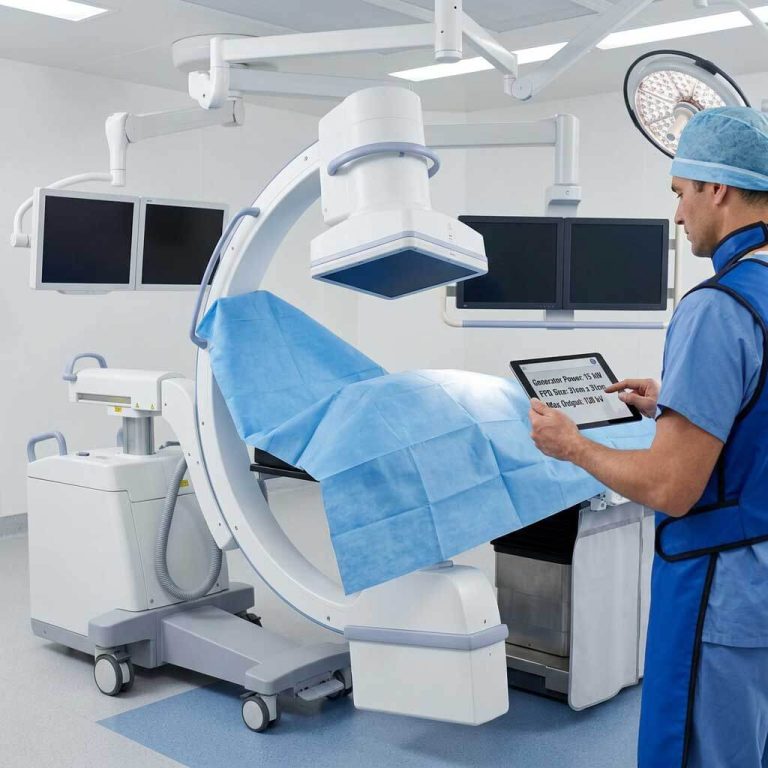
- A large radiology department may require stationary DR, CT, MRI, and other imaging systems.
- A smaller clinic may prioritize compact and cost-effective diagnostic equipment.
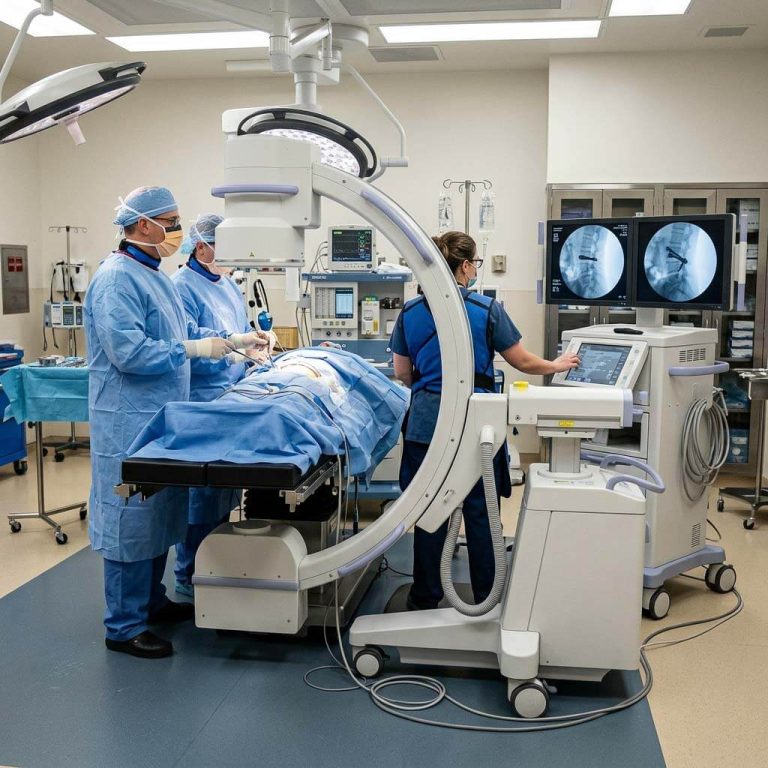
- An emergency department may require mobile imaging and patient monitoring equipment.
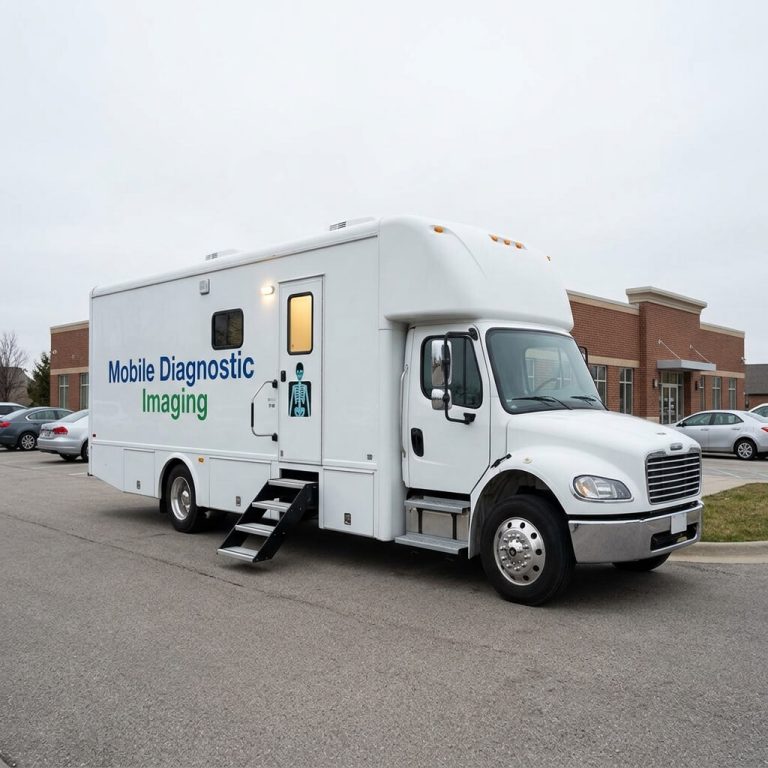
- A remote healthcare project may need portable and easy-to-transport devices.
Equipment should be selected according to clinical applications rather than simply choosing the product with the most functions.
2. Workflow Efficiency
Modern healthcare facilities must manage increasing patient volumes while maintaining efficient workflows.
When evaluating medical equipment, buyers should consider questions such as:
- How quickly can the equipment be prepared for use?
- Is the user interface easy for medical staff to learn?
- Can the system integrate into existing workflows?
- Does the equipment require frequent manual adjustments?
- Is it suitable for the expected patient volume?
For imaging equipment, workflow features can be particularly important.
Major medical imaging manufacturers increasingly focus on intelligent workflows, automation, portability, and specialized clinical applications. SonoScape, for example, offers both trolley-based and portable ultrasound systems across multiple clinical segments, while Mindray provides imaging solutions for general imaging, women’s healthcare, cardiology, point-of-care, and primary care.
For buyers, the key is not simply to compare brand names. It is to determine which configuration and workflow are appropriate for the intended clinical environment.
Step 1: Define Your Medical Equipment Requirements
Before contacting suppliers, healthcare buyers should create a clear procurement requirement document.
This document can include:
Equipment Category
Identify the department and application.
Examples include:
- X-ray and digital radiography
- CT systems
- MRI systems
- Ultrasound equipment
- Patient monitoring
- Operating room equipment
- Hospital beds
- Laboratory equipment
- Ophthalmic equipment
- Dental equipment
Clinical Application
Describe how the equipment will be used.
For example:
- General radiography
- Emergency imaging
- ICU bedside imaging
- Orthopedic applications
- Obstetric ultrasound
- Cardiac ultrasound
- Primary care
- Veterinary applications
Technical Requirements
Create a list of required specifications.
However, avoid over-specifying equipment unless every requirement is genuinely necessary.
A practical procurement strategy should separate:
Must-have requirements
from
Preferred features
This can make supplier comparison easier and prevent unnecessary spending on features that may not be used.
Step 2: Compare Medical Equipment Suppliers
Selecting the right supplier is one of the most important parts of the procurement process.
A low product price does not necessarily mean a lower total cost.
Buyers should evaluate suppliers using several criteria.
Product Range
Does the supplier offer only one product category, or can they support multiple departments?
For example, a hospital project may require imaging equipment, hospital furniture, surgical equipment, laboratory instruments, and patient monitoring devices.
Working with multiple suppliers can increase communication and coordination requirements.
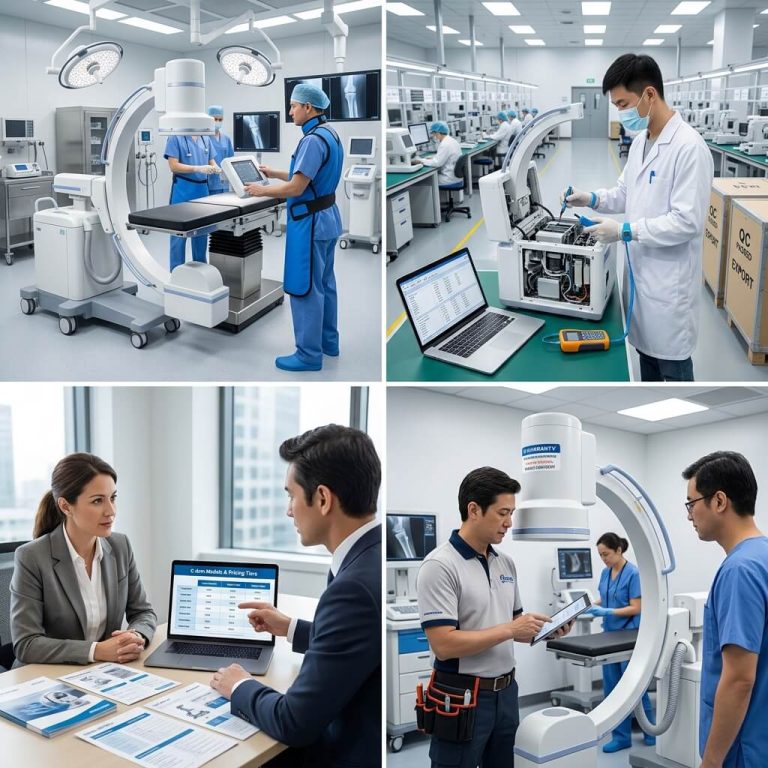
For this reason, some buyers prefer suppliers capable of supporting broader healthcare equipment projects.
Mindray’s product and solution structure demonstrates how healthcare equipment suppliers increasingly organize products around hospital-wide and department-specific solutions, including emergency care, critical care, medical imaging, peri-operative care, laboratory diagnostics, and other areas.
Technical Communication
A professional supplier should be able to clearly explain:
- Product specifications
- Available configurations
- Optional accessories
- Installation requirements
- Power requirements
- Space requirements
- Training arrangements
- Maintenance considerations
Clear communication is especially important for complex systems such as CT, MRI, DR, and advanced ultrasound equipment.
Documentation
Before making a purchasing decision, buyers may need to review documents such as:
- Product catalogs
- Technical specifications
- User manuals
- Installation requirements
- Quality documentation
- Certificates where applicable
- Warranty information
Requirements can vary depending on the destination market and local regulations.
Buyers should confirm applicable requirements before shipment rather than assuming that the same documentation is suitable for every country or project.
Project Experience
For larger procurement projects, experience with multi-department healthcare projects can be valuable.
Suppliers should understand that equipment purchasing may involve coordination between:
- Hospital management
- Procurement teams
- Doctors
- Biomedical engineers
- Construction teams
- Installation engineers
- Logistics providers
The more complex the project, the more important project coordination becomes.
Step 3: Look Beyond the Purchase Price
One of the most common procurement mistakes is focusing only on the initial equipment price.
Healthcare buyers should instead consider the total cost of ownership.
This may include:
- Equipment purchase cost
- Transportation
- Installation
- Site preparation
- Training
- Maintenance
- Consumables
- Accessories
- Replacement parts
- Software upgrades where applicable
- Future expansion
For example, a lower-priced system may become more expensive if installation requirements are unclear or if replacement components are difficult to source.
A higher initial investment may sometimes provide better long-term value when reliability, workflow efficiency, and service support are considered.
The goal should not always be to purchase the cheapest equipment.
The goal should be to select equipment that provides the right balance between performance, operational requirements, budget, and long-term support.

Step 4: Consider Scalability and Future Growth
Healthcare facilities often expand.
A clinic may add new departments.
A diagnostic center may increase patient capacity.
A hospital may later expand its imaging department.
Therefore, procurement decisions should consider future requirements.
Questions to ask include:
- Can the equipment configuration be expanded?
- Are additional accessories available?
- Can software capabilities be upgraded?
- Is the system suitable for increasing patient volumes?
- Will replacement parts remain available?
- Can the supplier support future procurement requirements?
Scalability is particularly important when purchasing high-value imaging equipment.
United Imaging, for example, organizes its CT portfolio across premium, performance, and routine examination categories while also emphasizing technologies designed to support workflow efficiency and image quality.
This type of product segmentation can help buyers compare equipment according to their clinical requirements and investment level.
Step 5: Evaluate Installation Requirements Before Ordering
Some medical equipment requires significant preparation before delivery.
Depending on the product, buyers may need to consider:
- Room dimensions
- Door width
- Floor loading
- Electrical requirements
- Radiation protection
- HVAC requirements
- Network connections
- Equipment positioning
- Construction schedules
For CT and MRI projects, site preparation can be a major part of the overall project.
For mobile equipment, buyers may instead prioritize mobility, battery capacity, storage, and transport conditions.
Installation planning should begin before shipment.
A detailed pre-installation checklist can help reduce delays after the equipment arrives.
Step 6: Plan for Training and Equipment Management
Purchasing equipment is only the beginning.
Healthcare organizations also need a plan for equipment operation and management.
Staff may require training on:
- Basic operation
- Safety procedures
- Routine maintenance
- Cleaning and care
- Troubleshooting
- Proper accessory use
Medical equipment should also be included in an organized asset management process.
An effective system may track:
- Equipment model
- Serial number
- Installation date
- Department location
- Maintenance history
- Warranty period
- Service records
Proper equipment management can help healthcare facilities improve visibility and plan future maintenance and replacement decisions.
Choosing Between Specialized Manufacturers and Integrated Medical Equipment Suppliers
There is no single supplier model that is best for every project.
Specialized manufacturers can be a strong choice when a buyer requires highly specific technology in one product category.
For example, some manufacturers focus heavily on ultrasound, while others have broader portfolios covering patient monitoring, imaging, laboratory diagnostics, operating room equipment, and other healthcare applications.
However, hospitals and project buyers may also benefit from working with an integrated medical equipment supplier.
An integrated supplier can help coordinate equipment requirements across multiple categories.
This may simplify:
- Supplier communication
- Product selection
- Documentation
- Order management
- Shipping coordination
- Project planning
The best approach depends on the size and complexity of the procurement project.
How UMY Medical Equipment Supports Healthcare Procurement Projects
For hospitals, clinics, distributors, and healthcare project buyers looking for a broader range of equipment, UMY Medical Equipment provides medical equipment solutions across multiple product categories.
Rather than limiting procurement to a single department, buyers may need to source equipment for different areas of a healthcare facility.
Depending on project requirements, UMY Medical Equipment can support product sourcing and equipment planning for areas such as:
- Medical imaging
- X-ray and DR systems
- Ultrasound equipment
- MRI and other imaging solutions
- Hospital furniture
- Operating room equipment
- Laboratory equipment
- Dental equipment
- Ophthalmic equipment
- Emergency and critical care equipment
This approach can be particularly useful for:
- New hospital projects
- Clinic construction projects
- Diagnostic center expansion
- Medical equipment distributors
- Government or institutional procurement
- Healthcare contractors
- International medical equipment projects
Buyers can explore the available medical equipment categories through UMY Medical Equipment and submit their project requirements for product recommendations and quotation support.
For complex projects, it is helpful to prepare information such as:
- Country or destination market
- Hospital or clinic type
- Required departments
- Equipment list
- Estimated quantity
- Preferred specifications
- Budget range
- Project timeline
The more complete the initial procurement information is, the easier it becomes to compare suitable equipment options.

A Practical Medical Equipment Procurement Checklist
Before placing an order, healthcare buyers can use the following checklist.
Clinical Requirements
- What department will use the equipment?
- What clinical applications are required?
- What patient volume is expected?
Technical Requirements
- What specifications are essential?
- Which features are optional?
- What accessories are required?
Supplier Evaluation
- Does the supplier understand the application?
- Can they provide clear technical documentation?
- Can they support multi-product procurement?
- Is communication efficient?
Installation
- Is the site ready?
- Are electrical requirements confirmed?
- Are room dimensions suitable?
- Are delivery and access routes available?
Long-Term Management
- What training is required?
- How will maintenance be managed?
- What warranty terms apply?
- Are replacement parts and accessories available?
Final Thoughts
Successful medical device procurement requires more than comparing product prices.
Hospitals and healthcare buyers should begin with clinical requirements, evaluate total ownership costs, compare suppliers carefully, confirm installation conditions, and consider long-term equipment management.
As healthcare technology continues to develop, buyers are also facing a wider range of choices. Major manufacturers now provide products designed for different clinical environments, from portable and point-of-care systems to advanced imaging platforms and hospital-wide solutions.
The best procurement decision is not necessarily the most expensive or the lowest-cost option.
It is the solution that best matches the healthcare facility’s clinical requirements, operational workflow, project budget, and long-term development plans.
For hospitals, clinics, distributors, and healthcare project buyers seeking a broader range of medical equipment options, UMY Medical Equipment can serve as a starting point for exploring products and developing a more coordinated procurement plan.
Visit UMY Medical Equipment to explore medical equipment categories and discuss your project requirements.
Frequently Asked Questions
1. What is medical device procurement?
Medical device procurement is the process of identifying, evaluating, purchasing, installing, and managing medical equipment used by hospitals, clinics, diagnostic centers, and other healthcare organizations.
2. How should hospitals choose a medical equipment supplier?
Hospitals should evaluate product suitability, technical specifications, documentation, installation requirements, communication quality, service capabilities, project experience, and total cost of ownership.
3. Is the lowest-priced medical equipment always the best option?
Not necessarily. Buyers should consider transportation, installation, maintenance, accessories, training, replacement parts, and long-term operational costs in addition to the initial purchase price.
4. What information should I provide when requesting a medical equipment quotation?
Helpful information includes the destination country, equipment category, required quantity, preferred specifications, intended clinical application, project timeline, and budget range if available.
5. Can one supplier provide equipment for multiple hospital departments?
Some integrated medical equipment suppliers provide products across multiple categories, allowing hospitals and project buyers to coordinate procurement for different departments through fewer suppliers.
6. What should buyers check before importing medical equipment?
Buyers should confirm applicable local regulations, import requirements, product documentation, certification requirements, shipping conditions, installation requirements, and customs procedures before placing an order.
7. How can UMY Medical Equipment support hospital procurement projects?
UMY Medical Equipment provides access to a range of medical equipment categories and can support hospitals, clinics, distributors, and healthcare project buyers in identifying equipment options based on their requirements.