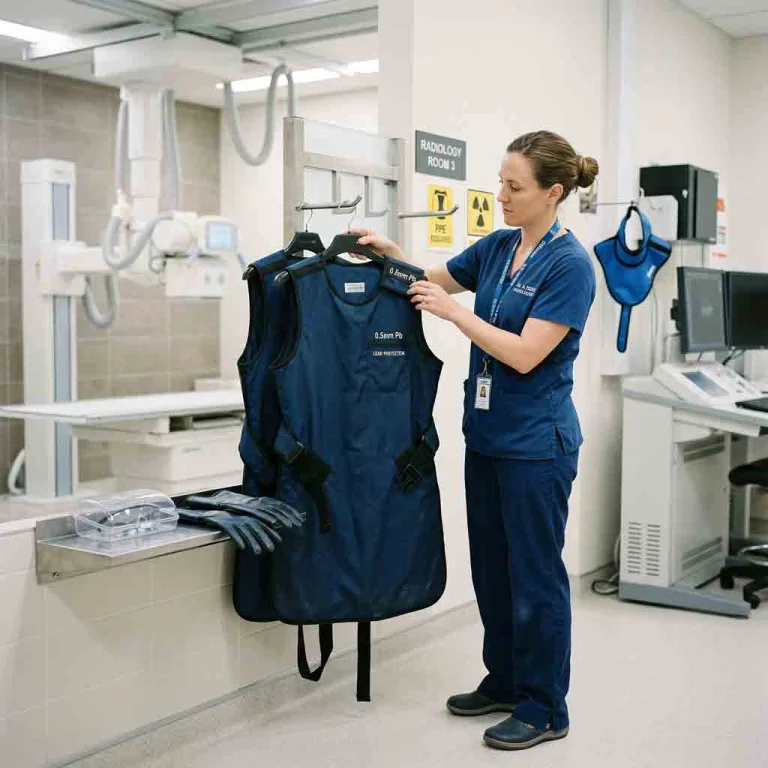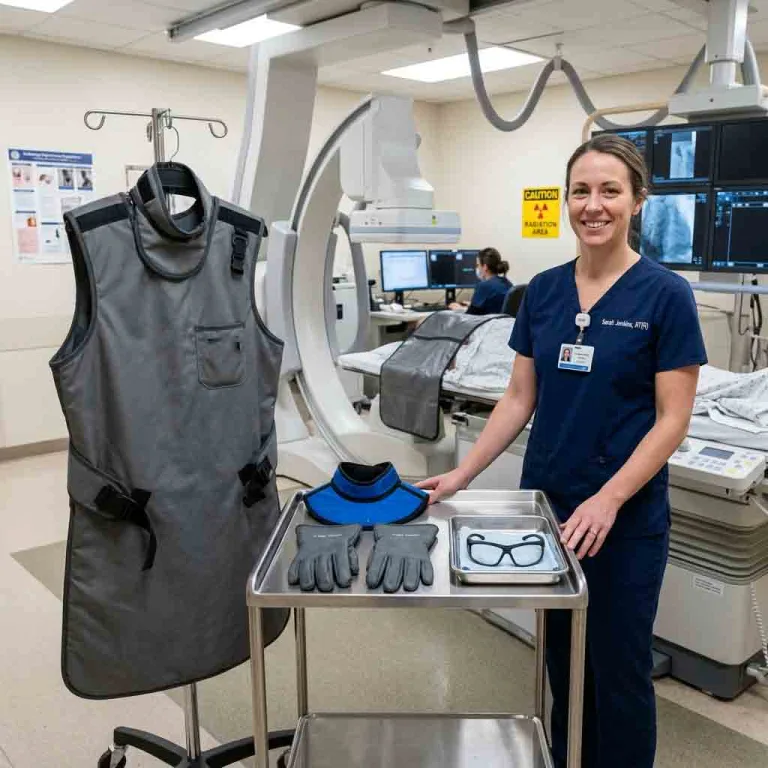
Urgent care centers (UCCs) operate at the intersection of emergency medicine and primary care. To maintain fast patient turnaround times, clinical efficacy, and operational profitability, fast and accurate diagnostic capabilities are non-negotiable.
For hospital networks expanding their outpatient footprints and healthcare equipment buyers sourcing medical devices, choosing the optimal X-ray and diagnostic imaging system for urgent care facilities involves balancing initial capital expenditure, system footprint, image quality, and long-term service support.
The Role of On-Site Imaging in Urgent Care
In a high-throughput urgent care setting, dynamic triage requires immediate imaging capabilities. Over 70% of common urgent care presentations—ranging from bone fractures and joint dislocations to chest pain and acute abdominal discomfort—require immediate X-ray or ultrasound evaluation.
-
Turnaround Time: On-site digital radiography (DR) cuts patient diagnosis and discharge times from hours to minutes compared to off-site referrals.
-
Patient Retention: Facilities offering immediate, comprehensive diagnostics see significantly higher patient satisfaction and lower referral leakage.
-
Revenue Enhancement: Sourcing key imaging equipment directly increases facility revenue per visit and improves overall ROI.
Essential Equipment Specifications for Urgent Care Facilities
When evaluating X-ray units and complementary diagnostic equipment against industry leaders (such as Mindray, SonoScape, GE HealthCare, and United Imaging), procurement officers should focus on specific core attributes.
1. Digital Radiography (DR) X-Ray Systems
-
Floor-Mounted vs. Ceiling-Suspended: Floor-mounted systems are generally preferred for independent urgent care clinics due to lower room height requirements and significantly reduced installation costs. Ceiling-suspended systems offer greater positioning flexibility, making them ideal for high-volume hospital-affiliated centers.
-
Detector Technology: Opt for Wireless Cesium Iodide (CsI) Flat-Panel Detectors (FPDs). They provide superior image clarity at substantially lower radiation doses compared to Gadolinium Oxysulfide (GOS) alternatives.
-
Power Output: Standard 32 kW to 50 kW generators are sufficient to handle full-body imaging, including dense abdominal scans.
2. Point-of-Care Ultrasound (POCUS)
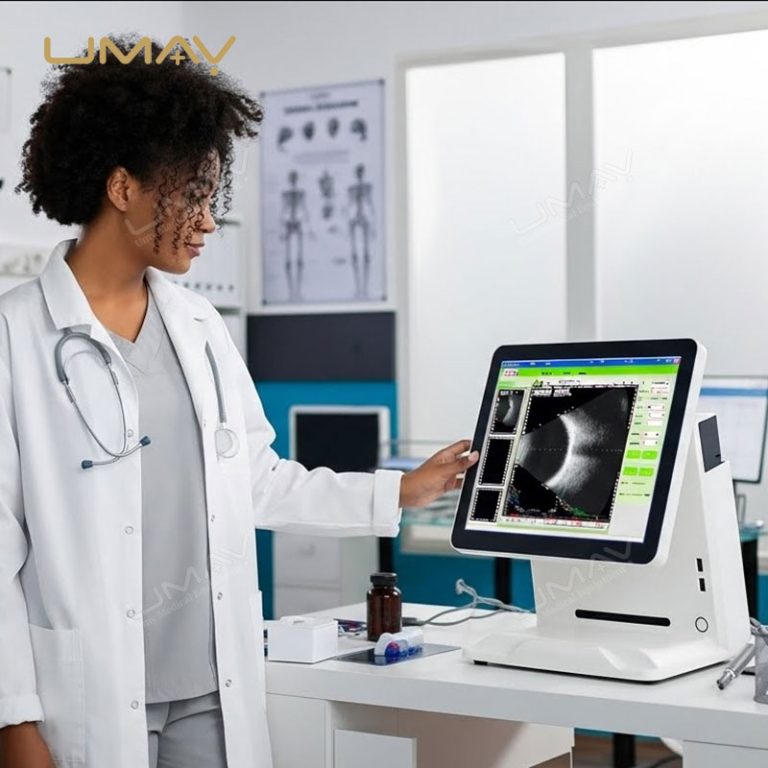
Complementing digital X-ray with compact ultrasound systems allows clinicians to quickly rule out soft tissue injuries, deep vein thrombosis (DVT), or internal fluid accumulation without sending patients to a full radiology suite.
Market Positioning & Competitive Landscape
When benchmarking against established market players, procurement teams evaluate vendors across distinct operational strengths:
-
Tier-1 Global Brands (GE HealthCare, Siemens): Known for premium clinical imaging tools, deep software ecosystems, and high market recognition, though often coming with higher initial capital expenditure and premium maintenance contracts.
-
High-Value Innovators (Mindray, SonoScape): Highly regarded for point-of-care ultrasound, compact cart-based systems, and cost-effective digital radiography solutions that offer strong diagnostic accuracy with lower cost of ownership.
- Advanced Multi-Modality Specialists (United Imaging): Recognized for high-end CT, MRI, and advanced digital X-ray systems that feature modern aesthetics, robust AI-assisted workflows, and comprehensive hardware configurations.
Key Factors for Procurement Officers & Hospital Buyers
To maximize return on investment and maintain uptime across clinical operations, equipment buyers should consider the following purchasing checklist:
-
Total Cost of Ownership (TCO): Beyond the acquisition price, evaluate tube replacement costs, detector drop warranty, annual service agreements, and software upgrade fees.
-
DICOM Integration & Connectivity: Ensure all imaging devices support DICOM 3.0 standards for seamless pushing of images to cloud PACS and EHR platforms.
-
Installation Footprint & Electrical Requirements: Confirm whether the facility supports 3-phase power or requires battery-assisted/single-phase X-ray generators.
- After-Sales Service & Spare Parts: Fast regional field engineer deployment and local spare parts inventory are critical to avoid prolonged clinic downtime.
Strategic Promotional Copywriting: UMY Medical Equipment
To position UMY Medical effectively against top-tier B2B competitors (such as Mindray, SonoScape, and GE HealthCare) while capturing high-intent procurement leads, here are tailored marketing copy assets across three core B2B channels.
1. Homepage / B2B Website Value Proposition
Main Headline:
Advanced Medical Imaging & Clinical Solutions — Factory-Direct Efficiency for Global Healthcare
Subheadline:
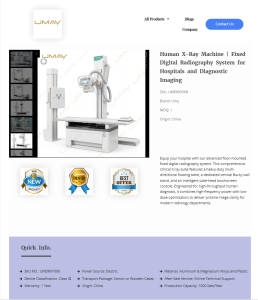
UMY Medical empowers hospitals, urgent care centers, and diagnostic clinics worldwide with high-performance Digital Radiography (DR) X-ray systems, advanced Ultrasound solutions, and comprehensive medical equipment.
Core Value Pillars:
-
Precision Diagnostic Engineering: Built to meet international quality standards, delivering crystal-clear imaging and minimal radiation dosage for optimal patient outcomes.
-
Factory-Direct Cost Efficiency: Cutting out unnecessary distributor markups to maximize your facility’s ROI without compromising on technical excellence.
-
Seamless Integration: All UMY imaging modalities feature full DICOM 3.0 compatibility, ensuring fast connection with your PACS, RIS, and hospital management software.
-
End-to-End B2B Support: From OEM/ODM customization to global logistics, clinical workflow setup, and long-term spare parts availability.
2. B2B Sales Brochure & Email Outreach Copy
Subject Line: Upgrading Your Facility’s Diagnostic Imaging? Discover UMY Medical Solutions
Body:
Dear Healthcare Procurement Director / Medical Equipment Buyer,
In fast-paced clinical environments, diagnostic speed and equipment uptime are critical to patient care and operational profitability.
At UMY Medical, we manufacture and supply high-precision medical imaging equipment designed specifically to solve the cost, space, and workflow challenges faced by modern hospitals and outpatient clinics.
Our Core Imaging Lineup:
-
Digital Radiography (DR) X-Ray Systems: Floor-mounted, mobile, and portable X-ray units equipped with ultra-sensitive Cesium Iodide (CsI) flat-panel detectors for sharp imaging at lower radiation doses.
-
Color Doppler & Portable Ultrasound: High-definition diagnostic ultrasound units and handheld probes designed for point-of-care emergency evaluation, obstetrics, and general imaging.
-
Integrated Healthcare Solutions: A growing range of diagnostic tools, surgical equipment, and clinical devices structured for high-volume daily use.
Whether you are fitting out a new urgent care network or upgrading existing radiology suites, UMY Medical offers factory-direct sourcing, dedicated technical support, and flexible customization tailored to your region’s regulatory requirements.
Explore Our Product Catalog: Visit us at www.umymedical.com or reply directly to request detailed technical spec sheets and B2B quotation packages.
Best regards,
The UMY Medical Team
Global B2B Medical Equipment & Imaging Solutions