Introduction
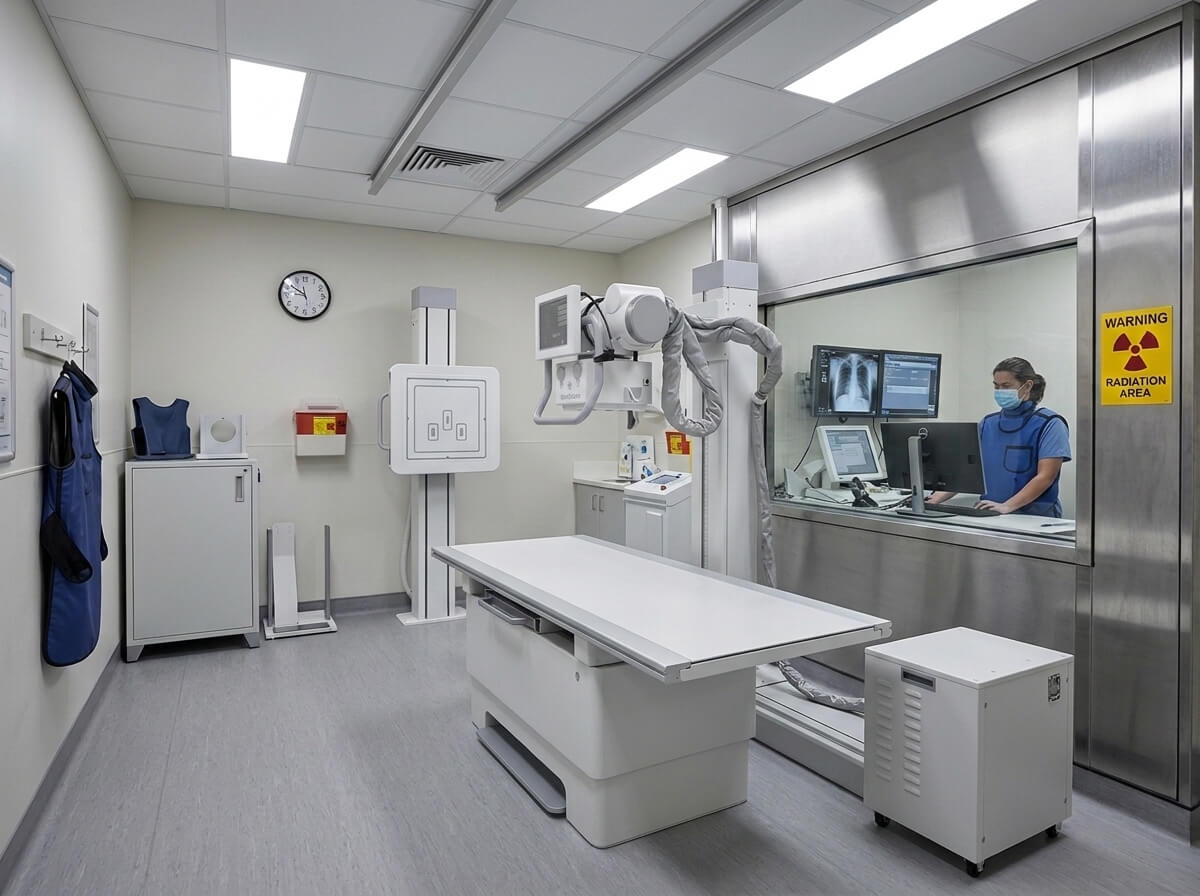
Medical imaging plays an essential role in modern healthcare diagnosis. As healthcare systems continue to improve efficiency and accessibility, flexible diagnostic solutions have become increasingly important.
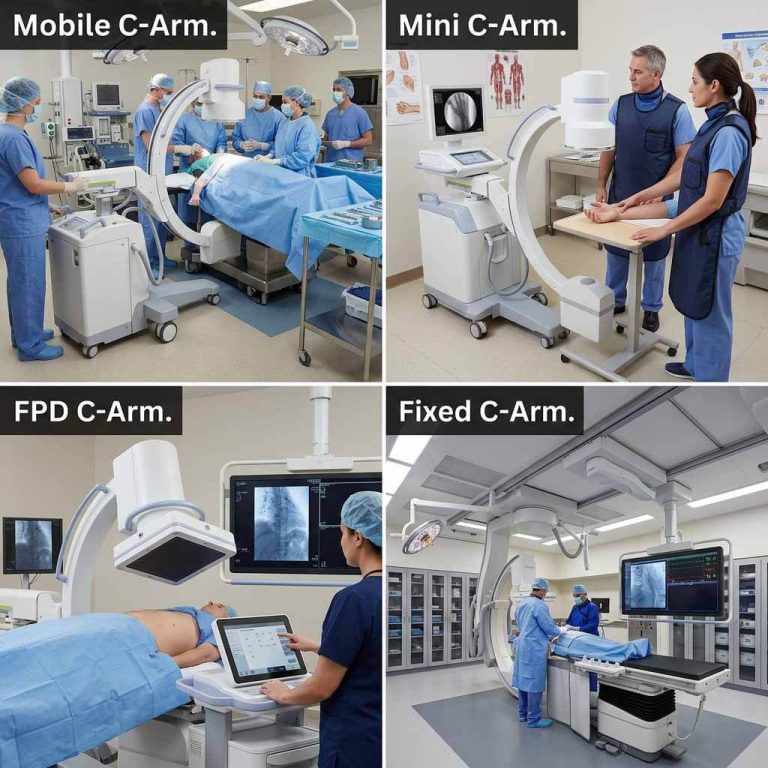
A handheld X ray machine provides healthcare professionals with a compact and convenient imaging solution for different clinical environments. Compared with traditional fixed X-ray systems, handheld and portable X-ray technologies offer greater flexibility, easier operation, and improved accessibility.
Hospitals, clinics, emergency departments, dental facilities, and mobile healthcare providers are increasingly adopting portable imaging solutions to improve diagnostic efficiency and patient care.
For medical equipment distributors and healthcare buyers, choosing the right handheld X-ray machine requires evaluating several important factors, including:
- Image quality
- Portability
- Safety features
- Application requirements
- Supplier reliability
- After-sales support
This complete guide explains what a handheld X ray machine is, how it works, its applications, price factors, and how to choose the right medical imaging supplier.
What Is a Handheld X Ray Machine?
A handheld X ray machine is a compact radiographic device designed to provide X-ray imaging without requiring a traditional fixed radiology room.
Unlike conventional X-ray systems that usually require dedicated spaces, installation areas, and complex infrastructure, handheld X-ray machines are designed for mobility and flexible operation.
A modern handheld X-ray system usually includes:
- Compact X-ray generator
- Exposure control system
- Digital imaging compatibility
- Portable structure
- User-friendly operation interface
These features allow healthcare professionals to perform imaging examinations in different environments.
How Does a Handheld X Ray Machine Work?
A handheld X ray machine works based on the same basic principle as traditional radiography systems.
The process includes several steps:
1. Patient Positioning
The patient is positioned according to the required examination area.
2. X-Ray Exposure
The device generates controlled X-ray energy that passes through the body.
Different tissues absorb different amounts of X-rays, creating image information.
3. Image Capture
A digital detector receives the X-ray signals and converts them into digital data.
4. Image Processing
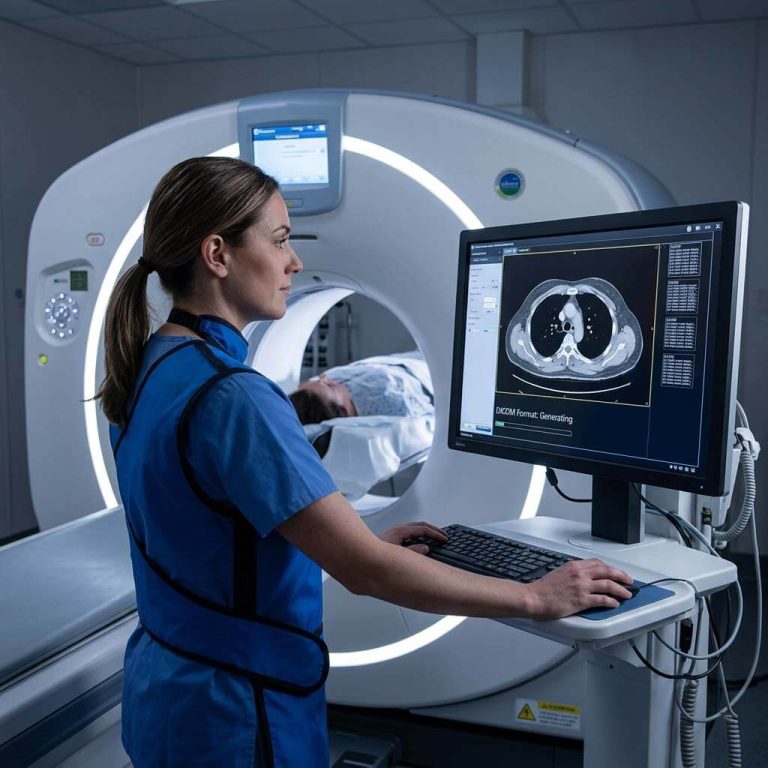
The digital image can then be reviewed, stored, and shared through imaging software.
This digital workflow helps healthcare professionals improve diagnostic efficiency.
Key Advantages of Handheld X Ray Machines
1. High Mobility and Flexibility
The biggest advantage of a handheld X ray machine is mobility.
Traditional X-ray systems often require patients to visit dedicated imaging rooms.
Handheld and portable solutions allow healthcare professionals to bring imaging closer to the patient.
Applications include:
- Emergency situations
- Bedside examinations
- Remote healthcare
- Mobile clinics
2. Space-Saving Solution
Many small clinics and healthcare facilities have limited space.
A handheld X-ray system reduces the need for large radiology rooms and complex installation requirements.
It is suitable for:
- Small clinics
- Community healthcare centers
- Mobile medical services
- Veterinary applications
3. Faster Diagnostic Workflow
Modern healthcare requires quick and efficient diagnosis.
Portable X-ray technologies help improve workflow by providing:
- Fast setup
- Flexible operation
- Reduced patient movement
- Digital image management
This is especially valuable in emergency and bedside care.
4. Suitable for Multiple Medical Applications
Handheld X ray machines can support various healthcare scenarios.
Hospitals
Applications:
- Emergency diagnosis
- ICU bedside imaging
- Patient monitoring
- Ward examinations
Clinics
Applications:
- General radiography
- Orthopedic examinations
- Routine imaging
Dental Imaging
Some handheld X-ray devices are designed specifically for dental applications.
They can support:
- Tooth examination
- Root assessment
- Oral diagnosis
Mobile Healthcare
Portable imaging solutions are valuable for:
- Rural healthcare projects
- Remote areas
- Field medical services
Handheld X Ray Machine vs Portable X Ray Machine
Although these terms are often used together, they represent slightly different equipment concepts.
| Feature | Handheld X Ray Machine | Portable X Ray Machine |
|---|---|---|
| Design | Compact handheld structure | Portable mobile structure |
| Mobility | Very high | High |
| Space requirement | Minimal | Low |
| Operation | Flexible use | Clinical workflow |
| Applications | Mobile imaging | Hospitals and clinics |
Both solutions provide more flexibility compared with traditional fixed X-ray rooms.
How Much Does a Handheld X Ray Machine Cost?
The price of a handheld X ray machine depends on multiple factors.
Typical market ranges:
| Equipment Type | Estimated Price |
|---|---|
| Basic handheld X-ray device | $2,000-$8,000 |
| Digital handheld X-ray system | $8,000-$20,000 |
| Advanced portable DR X-ray system | $20,000+ |
The final price depends on:
- Generator technology
- Detector type
- Software functions
- Battery system
- Accessories
- Supplier service
Factors That Affect Handheld X Ray Machine Price
1. X-Ray Generator Technology
The generator directly affects imaging performance.
Important considerations:
- Output stability
- Exposure accuracy
- Clinical application range
2. Digital Imaging Capability
Modern healthcare providers prefer digital systems because they offer:
- Faster image review
- Better storage management
- Easy sharing
- Improved workflow
3. Equipment Configuration
Different configurations influence the final price.
Examples:
- Digital detector
- Imaging software
- Wireless connection
- Accessories
- Training services
How to Choose the Right Handheld X Ray Machine?
1. Consider Your Clinical Application
Different buyers have different requirements.
Small Clinics
Usually focus on:
- Compact design
- Easy operation
- Cost efficiency
Hospitals
Usually require:
- Stable performance
- High workflow efficiency
- Professional imaging capability
Distributors
Usually evaluate:
- Market demand
- Product reliability
- Supplier support
2. Evaluate Image Quality
Image quality is one of the most important purchasing factors.
Buyers should check:
- Resolution
- Detector performance
- Image processing technology
- Exposure consistency
High-quality imaging improves diagnosis accuracy.
3. Check Safety and Compliance
Professional X-ray equipment should include appropriate safety design.
Important considerations:
- Exposure control
- Proper operating procedures
- Product certifications
4. Select a Reliable X-Ray Supplier
For international buyers, supplier capability is critical.
A professional supplier should provide:
- Technical documentation
- Product training
- Spare parts support
- Export experience
- After-sales service
UMY Medical Portable Digital X-Ray Solutions
UMY Medical provides professional medical imaging solutions for hospitals, clinics, and healthcare distributors worldwide.
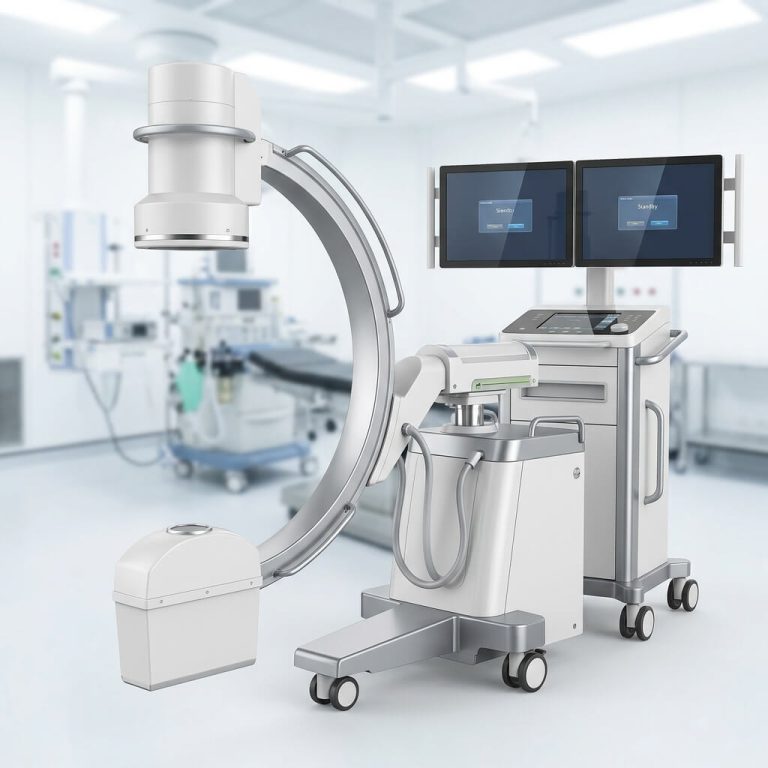
The company supplies different X-ray solutions including portable X-ray systems, mobile DR systems, and digital radiography equipment.
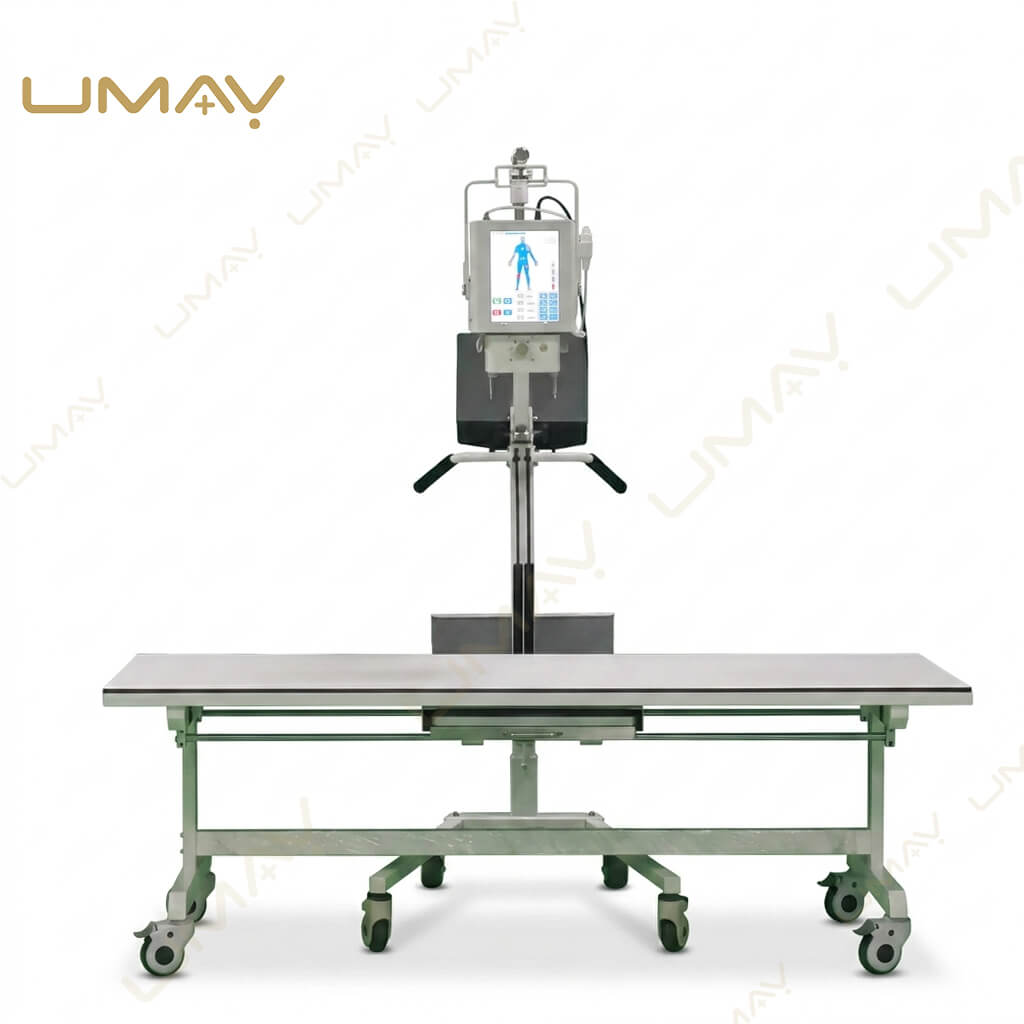
High-Frequency 8kW Mobile Digital Radiography DR X-Ray System
For healthcare facilities requiring reliable digital imaging performance, UMY Medical provides a high-frequency mobile DR X-ray system designed for efficient radiographic examinations.
Product Features
High-Frequency Generator
The system provides stable X-ray output for consistent imaging performance.
Advantages:
- Reliable exposure
- Improved workflow efficiency
- Suitable for daily clinical use
Mobile Wheeled Design
The mobile structure allows healthcare professionals to move the system easily inside hospitals.
Suitable for:
- Emergency departments
- Hospital wards
- Outpatient centers
- Diagnostic facilities
Digital DR Imaging Technology
The digital workflow supports:
- Fast image acquisition
- Efficient image processing
- Better clinical communication
Why Choose UMY Medical as Your X-Ray Equipment Supplier?
Professional Medical Equipment Manufacturer
UMY Medical focuses on providing healthcare equipment solutions for global customers.
Solutions for Hospitals and Distributors
UMY Medical supports:
- Hospitals
- Clinics
- Medical distributors
- Regional agents
Export and Cooperation Support
International customers receive support including:
- Product consultation
- Technical communication
- Export assistance
- Long-term cooperation opportunities
Frequently Asked Questions (FAQ)
What is a handheld X ray machine?
A handheld X ray machine is a compact X-ray imaging device designed for flexible radiographic examinations.
What is a handheld X ray machine used for?
It can be used for:
- Clinical imaging
- Dental examinations
- Emergency healthcare
- Mobile medical services
How much does a handheld X ray machine cost?
The price depends on technology, configuration, detector type, software functions, and supplier support.
Are handheld X-ray machines suitable for hospitals?
Yes. Portable and handheld X-ray technologies can support hospitals, especially for bedside and emergency imaging applications.
How do I choose a handheld X ray machine supplier?
Consider:
- Manufacturing experience
- Product quality
- Certifications
- Technical support
- After-sales service
Conclusion
A handheld X ray machine provides healthcare professionals with a flexible imaging solution that improves mobility, accessibility, and workflow efficiency.
For hospitals, clinics, and medical equipment distributors, selecting the right X-ray system requires evaluating image quality, application requirements, supplier capability, and long-term service support.
UMY Medical provides professional X-ray equipment solutions for global healthcare partners, helping customers select suitable imaging systems according to their clinical and business requirements.