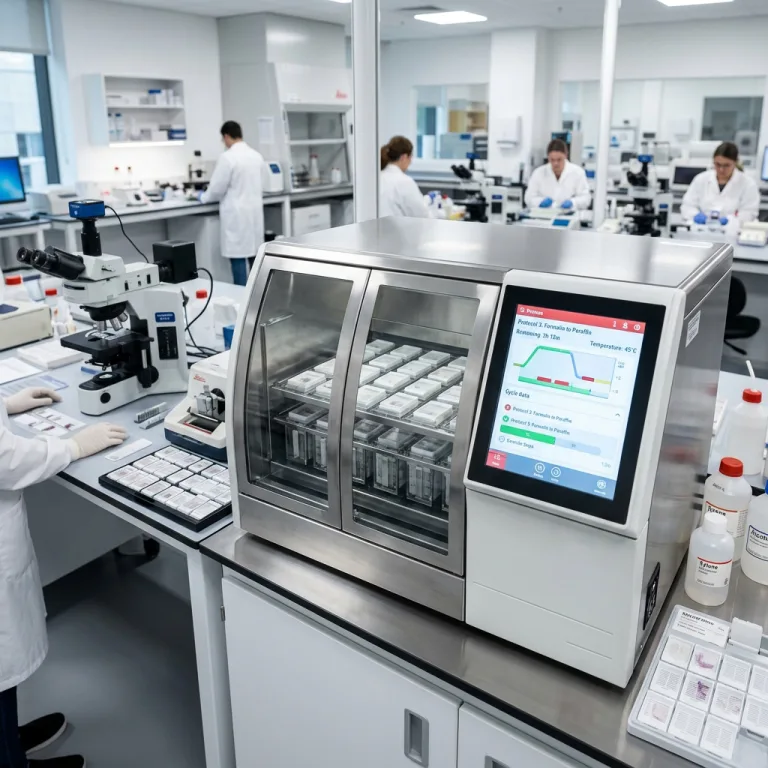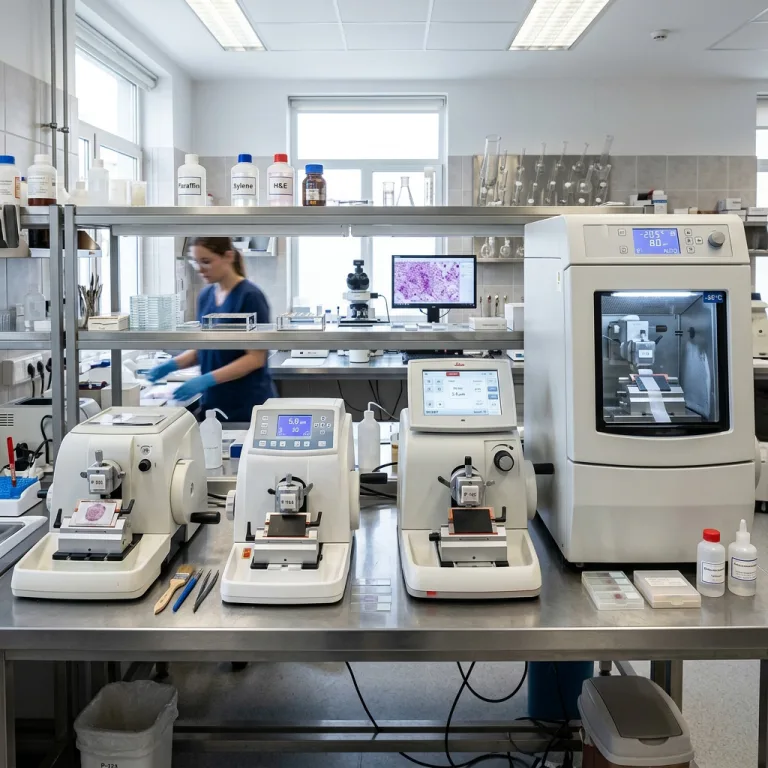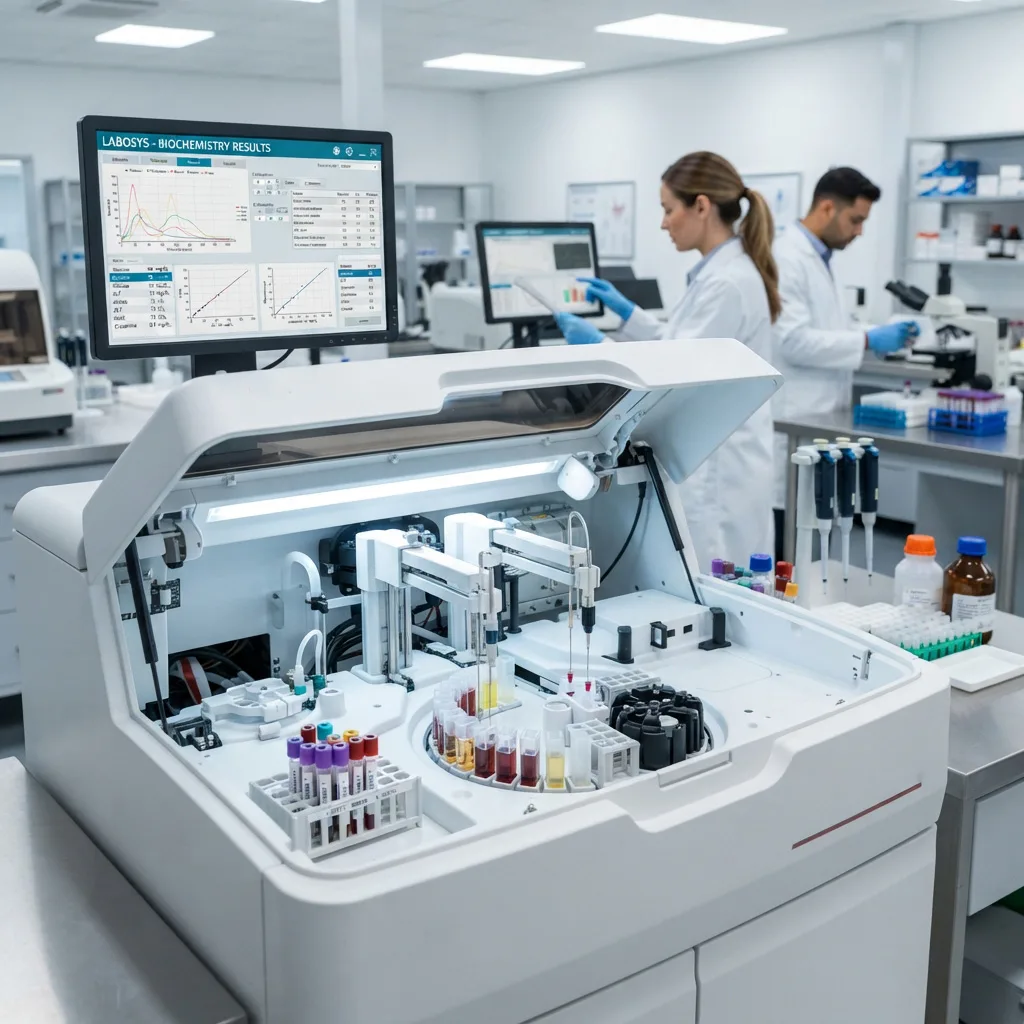
What is a clinical biochemistry analyzer?
A biochemistry analyzer—also known as a clinical chemistry analyzer—is an automated medical laboratory instrument designed to measure the concentration of specific metabolites, electrolytes, proteins, enzymes, and drugs in biological samples such as blood serum, plasma, urine, and cerebrospinal fluid. By analyzing these biochemical markers, healthcare providers can assess organ function, diagnose metabolic disorders, monitor chronic diseases, and evaluate therapeutic treatment plans.
What does a clinical chemistry analyzer test for?
Clinical chemistry analyzers run diagnostic assays that screen for a vast array of physiological conditions:
-
Liver Function: Alanine aminotransferase (ALT), aspartate aminotransferase (AST), alkaline phosphatase (ALP), total bilirubin, direct bilirubin, total protein, and albumin.
-
Kidney Function: Blood urea nitrogen (BUN), creatinine, and uric acid.
-
Cardiovascular & Lipid Panels: Total cholesterol, high-density lipoprotein (HDL), low-density lipoprotein (LDL), and triglycerides.
-
Metabolic Health & Diabetes: Fasting blood glucose, glycated hemoglobin (HbA1c), and amylase.
-
Electrolytes & Minerals: Sodium, potassium, chloride, calcium, phosphorus, and magnesium.
How does an automated chemistry analyzer generate results?
An automated chemistry analyzer aspirates a measured micro-volume of a patient specimen, mixes it with a specialized chemical reagent in a reaction cuvette, incubates the mixture at a stable temperature (typically 37°C), and measures the resulting color intensity or light transmission using an optical photometer. The instrument converts the detected absorbance of light into an exact concentration value, which is then transmitted to the laboratory information system for physician review.
The Optical Engine: How Light Measures Disease
The baseline operating principle of almost all biochemistry analyzers relies on optical photometry and spectrophotometry. When a chemical reagent interacts with a specific molecule in blood serum, a controlled chemical reaction occurs that either creates a distinct color or alters the optical density of the solution.
[Patient Serum Sample] + [Targeted Reagent]
                 │
                 ▼ (Incubation at 37°C)
      [Color Change / Turbidity]
                 │
                 ▼ (Light Beam Penetration)
    [Photodiode Detector Measures Absorbance]
                 │
                 ▼
     [Precise Biomarker Concentration Output]
The optical system shines a specific wavelength of light through the reaction mixture inside a clear cuvette. As the concentration of the target substance increases, the solution absorbs more light and transmits less. A photodiode or charge-coupled device (CCD) detector on the other side registers the transmitted light intensity and calculates the sample’s optical absorbance.
The Three Core Measurement Methodologies
Modern biochemistry analyzers utilize three primary measurement methodologies to assess patient samples:
1. End-Point Assays (Colorimetric Assays)
In an end-point assay, the analyzer mixes the sample and reagent, allowing the reaction to proceed until it reaches completion or an equilibrium state. Once the reaction has finished, the machine takes a single optical absorbance reading.
-
Primary Use: Measuring stable, non-enzymatic metabolites like total protein, albumin, glucose, creatinine, and cholesterol.
-
Key Characteristic: Highly repeatable; the color intensity remains stable after the reaction finishes.
2. Fixed-Time Assays (Two-Point Assays)
Fixed-time assays measure the change in absorbance between two predetermined points in time during an ongoing chemical reaction. This method is utilized when a reaction does not produce a stable endpoint quickly or when secondary reactions might interfere with the final optical reading.
-
Primary Use: Certain enzymatic assays and specialized creatinine methodologies (such as the alkaline picrate / modified Jaffe method).
-
Key Characteristic: Measures the rate of color formation across an exact time window (e.g., between second 30 and second 60).
3. Kinetic Assays (Continuous Rate Assays)
Kinetic methods monitor the continuous rate of reaction over several sequential intervals (taking readings every few seconds). Instead of measuring a final color change, the software calculates the rate of change in absorbance per minute, which correlates directly to the activity of specific enzymes.
-
Primary Use: Enzyme quantification including ALT, AST, ALP, lactate dehydrogenase (LDH), and creatine kinase (CK).
-
Key Characteristic: Ideal for fast-moving enzymatic reactions where prolonged incubation causes substrate depletion.
Semi-Automated vs. Fully Automated Biochemistry Analyzers
When equipping a hospital laboratory, clinical diagnostic center, or private practice, the choice between semi-automated and fully automated analyzers represents the most fundamental procurement fork in the road.
Workflow Divergence:

Semi-Automated Analyzer:
[Manual Pipetting of Sample & Reagent] ➔ [Manual Incubation] ➔ [Manual Aspiration via Flow Cell] ➔ [Digital Reading]

Fully Automated Analyzer:
[Load Sample Rack & Reagent Carousel] ➔ [Robotic Pipetting] ➔ [Onboard Incubation] ➔ [Auto-Wash] ➔ [Direct LIS Output]
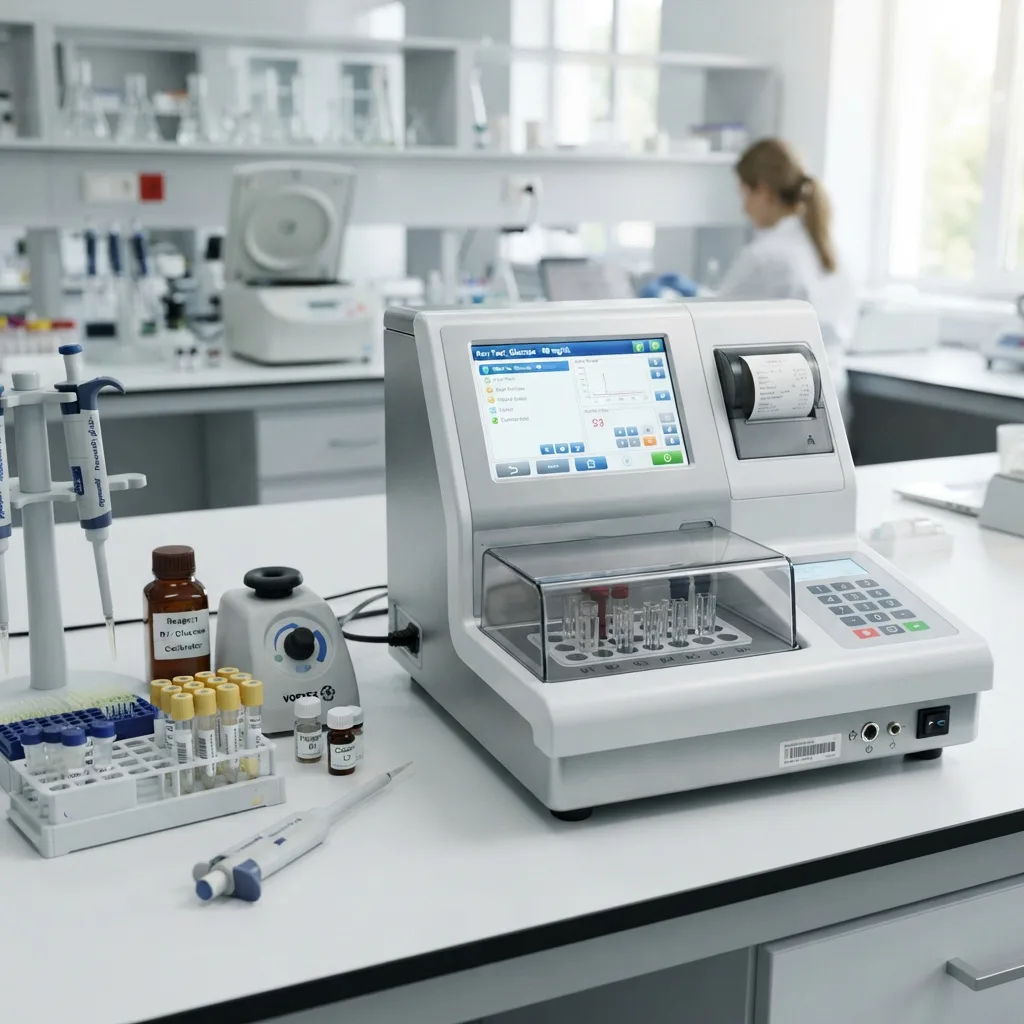
Semi-Automated Biochemistry Analyzers
A semi-automated analyzer requires direct human intervention for almost every step except the final optical reading. The laboratory technician manually pipettes the patient serum and chemical reagent into a test tube or cuvette, places it into an external dry block incubator, times the reaction, and manually introduces the fluid into the machine’s aspiration sipper or quartz flow cell.
-
Ideal For: Low-volume clinics, rural healthcare centers, startup diagnostic practices, and veterinary clinics processing fewer than 30 to 50 patient samples per day.
-
Advantages: Extremely low upfront capital investment, tiny benchtop footprint, low maintenance overhead, and straightforward mechanical operation.
-
Limitations: Prone to operator pipetting errors, low daily throughput, requires continuous manual labor, and cannot run multiple different tests on a single patient sample simultaneously.
Fully Automated Biochemistry Analyzers
A fully automated chemistry analyzer operates on a “walk-away” architecture. The laboratory technician loads primary blood collection tubes into a sample carousel, loads reagent cartridges into a refrigerated bay, enters the requested test profile via touch screen or barcode scanner, and presses start.
The analyzer’s robotic arms automatically aspirate exact sample micro-volumes, dispense reagents, mix the solutions using high-speed stirring paddles or ultrasonic transducers, incubate the cuvettes in a temperature-controlled bath, read optical absorbance, and clean the reaction cuvettes automatically using onboard wash stations.
-
Ideal For: Community hospitals, commercial diagnostic laboratories, reference facilities, and emergency departments processing hundreds or thousands of tests daily.
-
Advantages: High throughput (ranging from 150 to over 1,200 tests per hour), walk-away automation, near-zero pipetting errors, minimal sample and reagent consumption, and seamless bi-directional integration with hospital data networks.
-
Limitations: Higher initial capital investment, larger physical dimensions, requires a continuous supply of deionized water, and requires regular preventative calibration schedules.
Comparison Matrix: Semi-Automated vs. Fully Automated Analyzers
| Specification / Parameter | Semi-Automated System | Fully Automated System (Benchtop) | High-Throughput Floor Model |
| Typical Daily Throughput | 20 – 60 tests / day | 150 – 400 tests / hour | 600 – 1,200+ tests / hour |
| Sample Aspiration & Mixing | Manual hand pipetting | High-precision robotic arm | Multi-axis robotic arms |
| Reaction Vessel Type | Quartz flow cell or manual cuvette | Reusable or disposable cuvettes | Reusable cuvettes with auto-wash |
| Reagent Storage | External laboratory refrigerator | Onboard cooling carousel (2–8°C) | High-capacity dual refrigerated bays |
| Simultaneous Test Profiles | 1 test parameter at a time | 20 – 40 parameters simultaneously | 60 – 100+ parameters simultaneously |
| Operator Time per Test | High (5–10 minutes hands-on) | Low (load racks and walk away) | Minimal (continuous bulk loading) |
| Sample Volume Consumed | 50 – 200 µL per test | 2 – 25 µL per test | 1.5 – 15 µL per test |
| LIS / HIS Connectivity | Basic uni-directional RS232 | Bi-directional TCP/IP & LIS | High-speed bi-directional enterprise |
Anatomy of a Modern Fully Automated Biochemistry Analyzer
Understanding the mechanical sub-assemblies of a fully automated analyzer helps clinical buyers assess hardware durability, service requirements, and engineering build quality.
┌────────────────────────────────────────────────────────────────────────┐
│                   SAMPLE CAROUSEL / STAT BAY                           │
│     (Holds Primary Tubes, Micro-Cups, Calibrators, Quality Controls)   │
└──────────────────────────────────┬─────────────────────────────────────┘
                                   │
                                   ▼
      ┌────────────────────────────────────────────────────────────┐
      │          ROBOTIC PIPETTING ARM (Sample & Reagent)          │
      │   - Liquid Level Detection (LLD)                           │
      │   - Clot and Bubble Detection                              │
      │   - Vertical & Horizontal Collision Protection             │
      └────────────┬───────────────────────────────┬───────────────┘
                   │                               │
                   ▼                               ▼
┌──────────────────────────────────────┐  ┌──────────────────────────────┐
│        REAGENT COMPARTMENT           │  │      REACTION CAROUSEL       │
│  - Continuous 24/7 cooling (2-8°C)   │  │  - Constant 37°C incubation  │
│  - Barcode reagent tracking          │  │  - Precision optical cuvettes│
│  - Multiple bottle positions         │  │  - Independent mixer paddle  │
└──────────────────────────────────────┘  └──────────────┬───────────────┘
                                                         │
                                                         ▼
                                          ┌──────────────────────────────┐
                                          │      PHOTOMETRIC DETECTOR    │
                                          │  - Reverse-optics grating    │
                                          │  - Multi-wavelength readings │
                                          └──────────────┬───────────────┘
                                                         │
                                                         ▼
                                          ┌──────────────────────────────┐
                                          │   INTEGRATED WASH STATION    │
                                          │  - Multi-step heated washing │
                                          │  - Deionized water rinse     │
                                          │  - Vacuum drying cycle       │
                                          └──────────────────────────────┘
1. The Sample Handling & STAT Module
The sample carousel holds primary blood collection tubes (various heights and widths), pediatric micro-cups, calibration standards, and quality control (QC) vials. High-performance systems include dedicated STAT positions (Short Turn Around Time), allowing emergency samples from intensive care or trauma units to be loaded and tested immediately without interrupting routine testing batches.
2. Robotic Pipetting & Liquid Level Sensing
Equipped with high-precision micro-metering syringe pumps, the pipetting probe aspirates sample volumes down to single microliters. Advanced probes integrate three vital safety features:
-
Capacitive Liquid Level Detection (LLD): Detects the liquid surface, submerging the probe tip only a few fractions of a millimeter below the meniscus to minimize external liquid carryover.
-
Clot and Bubble Detection: Real-time pressure sensors inside the aspiration line detect physical obstructions (such as fibrin clots in incompletely separated serum) or air bubbles, immediately flagging the sample to prevent erroneous reporting.
-
Collision Protection: Vertical and horizontal force sensors detect unexpected obstacles (like forgotten tube stoppers or misaligned racks), stopping the arm instantly to prevent probe bending.
3. The Reagent Bay with Continuous Cooling
Biochemical reagents contain sensitive enzymes, antibodies, and reactive dyes that degrade rapidly when exposed to room temperature. Modern analyzers feature an onboard refrigerated carousel maintaining a constant 2°C to 8°C environment. This preserves reagent stability for weeks, allowing clinics to leave reagent bottles inside the machine continuously without daily loading and unloading.
4. The Reaction Disc and Incubation Chamber
The reaction disc houses the optical cuvettes where sample and reagent combine. Because biochemical reactions are highly sensitive to thermal fluctuations, the incubation bath uses dry air heating or circulating oil/water to maintain a strict 37°C (±0.1°C) environment, simulating human physiological core temperature.
5. Multi-Stage Auto-Wash Stations
In high-throughput testing, reusable optical glass or plastic cuvettes are cleaned automatically to eliminate carryover between patient runs. The wash station descends into the cuvettes, aspirates reaction waste into dedicated biohazard reservoirs, dispenses heated alkaline and acidic cleaning solutions, washes the vessel with deionized water, and dries the optical surface using vacuum suction. High-efficiency wash cycles drive cross-contamination rates down to less than 0.05%.
Core Clinical Panels: The Biomarkers Modern Analyzers Measure
Biochemistry analyzers process vast testing menus that provide comprehensive diagnostic roadmaps for multiple organ systems.
Comprehensive Clinical Test Menu:
├── Liver Health (Hepatic Panel)     ➔ ALT, AST, ALP, Total/Direct Bilirubin, Albumin
├── Renal Health (Kidney Panel)       ➔ Creatinine, Blood Urea Nitrogen (BUN), Uric Acid
├── Lipid & Cardiovascular Panel     ➔ Total Cholesterol, Triglycerides, HDL, LDL
├── Metabolic & Diabetic Screening   ➔ Fasting Glucose, HbA1c, Amylase, Lipase
└── Electrolyte / Mineral Balance    ➔ Na+, K+, Cl- (via ISE), Calcium, Magnesium, Phosphorus
Liver Function Tests (LFT)
The liver performs hundreds of essential metabolic functions, including protein synthesis, toxin clearance, and bile production. When hepatocytes (liver cells) suffer damage or when biliary ducts become obstructed, specific intracellular enzymes leak into the circulating bloodstream:
-
ALT & AST: Elevated levels indicate active hepatocellular injury, commonly observed in viral hepatitis, fatty liver disease, toxic drug reactions, or cirrhosis.
-
Alkaline Phosphatase (ALP) & Gamma-Glutamyl Transferase (GGT): Elevated levels indicate cholestasis, bile duct obstruction, or liver metastases.
-
Total and Direct Bilirubin: High levels indicate hemolytic breakdown of red blood cells or biliary clearance failures, manifesting clinically as jaundice.
-
Albumin and Total Protein: Low serum albumin points to chronic synthetic impairment of the liver, severe malnutrition, or protein-losing nephropathies.
Renal Function Tests (RFT / KFT)
The kidneys filter metabolic waste products from the blood while balancing water and electrolyte equilibrium. Biochemistry analyzers evaluate renal clearance efficiency:
-
Creatinine: A breakdown byproduct of muscle creatine phosphate. Because it is filtered freely by the glomerulus and not reabsorbed, serum creatinine serves as the primary clinical marker for estimating Glomerular Filtration Rate (eGFR).
-
Blood Urea Nitrogen (BUN): The primary nitrogenous end product of protein metabolism. Elevated levels indicate renal hypoperfusion, kidney failure, or acute gastrointestinal bleeding.
-
Uric Acid: The final breakdown product of purine nucleotide metabolism. Elevated serum concentrations lead to crystalline joint deposition (gout) or uric acid kidney stones.
Lipid Profiles and Atherosclerotic Risk
Cardiovascular disease remains the leading cause of mortality worldwide. Biochemistry analyzers run automated lipid profiles to quantify circulating lipoproteins:
-
Total Cholesterol & Triglycerides: Basic indicators of blood fat concentrations.
-
HDL (High-Density Lipoprotein): Often labeled “good cholesterol,” responsible for reverse cholesterol transport from peripheral tissues back to the liver.
-
LDL (Low-Density Lipoprotein): Direct or calculated measurement; high levels correlate with atheromatous plaque accumulation in arterial walls.
Electrolytes via Ion-Selective Electrodes (ISE)
While most clinical chemistry assays utilize optical photometry, electrolytes (Sodium $Na^+$, Potassium $K^+$, and Chloride $Cl^-$) are measured using an integrated Ion-Selective Electrode (ISE) module.
The ISE unit passes the diluted sample across specialized electrochemical membranes sensitive only to specific ions. The resulting electrical potential difference (measured in millivolts) corresponds to ion activity in the patient sample. Assessing electrolytes is vital for diagnosing dehydration, metabolic acidosis/alkalosis, acute renal failure, and cardiac arrhythmias.
Technical Considerations: Open Reagent Systems vs. Closed Reagent Systems
When procuring an automated biochemistry analyzer, laboratory leadership must make an important operational decision: choose an Open System or a Closed System.
Architectural Comparison:

Open Reagent Architecture:
[Any Validated Third-Party Reagents] ➔ [Configurable Analyzer Software] ➔ [Lowest Cost-Per-Test]

Closed Reagent Architecture:
[Proprietary Vendor Reagents Only]  ➔ [Barcoded Locked Analyzer]      ➔ [Fixed High Consumable Costs]
Open Reagent Systems
An open system analyzer allows laboratory managers to program assay parameters, wavelengths, incubation intervals, and calibration curves for any compatible third-party reagent.
-
Cost Efficiency: Laboratories can source chemical reagents from local or regional chemical manufacturers, leveraging competitive market bidding to drive consumable costs down.
-
Operational Continuity: If one chemical supplier faces backorders or supply chain disruptions, the lab simply validates an alternative reagent brand without stopping testing operations.
-
Menu Flexibility: The lab can program specialized, niche diagnostic assays that large multinational instrument manufacturers might not offer in their pre-packaged kits.
Closed Reagent Systems
A closed system requires the laboratory to purchase barcoded, proprietary reagent cartridges manufactured exclusively by the instrument vendor. The machine will not run without scanning the vendor’s proprietary barcode.
-
Streamlined Ease of Use: Calibration curves and lot parameters are pre-programmed; the operator simply drops the reagent cartridge in and runs tests without manual calibration setups.
-
Vendor Lock-In Risk: Consumable costs are fixed and substantially higher over the life of the instrument. If the vendor experiences distribution failures, the entire laboratory can grind to an operational halt.
Daily Operational Requirements: Water, Power, and Waste
Procuring an automated biochemistry analyzer requires preparing facility infrastructure to meet precise mechanical specifications:
-
Deionized Water Consumption: Automated wash stations require high-purity clinical laboratory reagent water (CLRW / Type II deionized water) with a resistivity typically exceeding 10 megaohm-centimeters ($10\text{ M}\Omega\cdot\text{cm}$). A benchtop analyzer processing 200 tests per hour typically consumes 3 to 10 liters of deionized water per hour. Facilities must install a dedicated reverse osmosis / deionization water purification system directly upstream of the analyzer.
-
Waste Segregation: Automated chemistry analyzers generate two distinct waste streams:
-
Low-Concentration Rinse Waste: Dilute water from secondary cuvette rinses, typically routed to standard clinical drain systems.
-
High-Concentration Biohazard Waste: Concentrated reaction mixtures containing undiluted patient serum, hazardous dyes, and chemical reagents. This fluid is diverted to sealed internal or external waste carboys for hazardous chemical disposal.
-
-
Power Conditioning: Optical photometers, thermal baths, and precision stepper motors are sensitive to electrical surges and brownouts. A dedicated online Uninterruptible Power Supply (UPS) with voltage regulation is mandatory to protect internal electronics and prevent corrupted test runs during utility fluctuations.
Frequently Asked Questions (FAQ)
What is the difference between a biochemistry analyzer and a hematology analyzer?
A biochemistry analyzer measures dissolved chemical substances, enzymes, proteins, and electrolytes in liquid serum or plasma (such as glucose, liver enzymes, and creatinine). A hematology analyzer evaluates cellular components in whole blood, performing complete blood counts (CBC) by counting and sizing red blood cells, white blood cells, and platelets.
How often does a biochemistry analyzer need calibration?
Calibration frequency depends on the assay stability, reagent manufacturer guidelines, and laboratory accreditation standards. Generally, an analyzer requires recalibration whenever a new reagent lot is opened, after major mechanical maintenance or optical lamp replacement, when daily quality control (QC) values drift outside acceptable statistical standard deviations, or at fixed intervals recommended by regulatory protocols (often every 7 to 30 days).
Can whole blood be loaded directly into a biochemistry analyzer?
In most cases, no. Standard clinical chemistry analyzers require serum or plasma. Whole blood must first be collected in appropriate tubes (such as serum separator tubes or heparin tubes), allowed to clot if necessary, and centrifuged to separate cellular components from the liquid supernatant. Loading uncentrifuged whole blood will result in severe optical interference and potential aspiration line clogs, except on specialized point-of-care instruments or specific automated systems with onboard pre-analytical centrifugation modules.
What is the typical lifespan of a clinical biochemistry analyzer?
A well-maintained clinical biochemistry analyzer operating in a climate-controlled laboratory has an operational lifespan of 7 to 10 years. Longevity depends heavily on adhering to daily, weekly, and monthly preventative cleaning schedules, utilizing properly deionized water, and replacing wearable mechanical items—such as peristaltic pump tubing, syringe plungers, and photometric lamps—at scheduled manufacturer service intervals.