The Blind Spot in the Operating Room
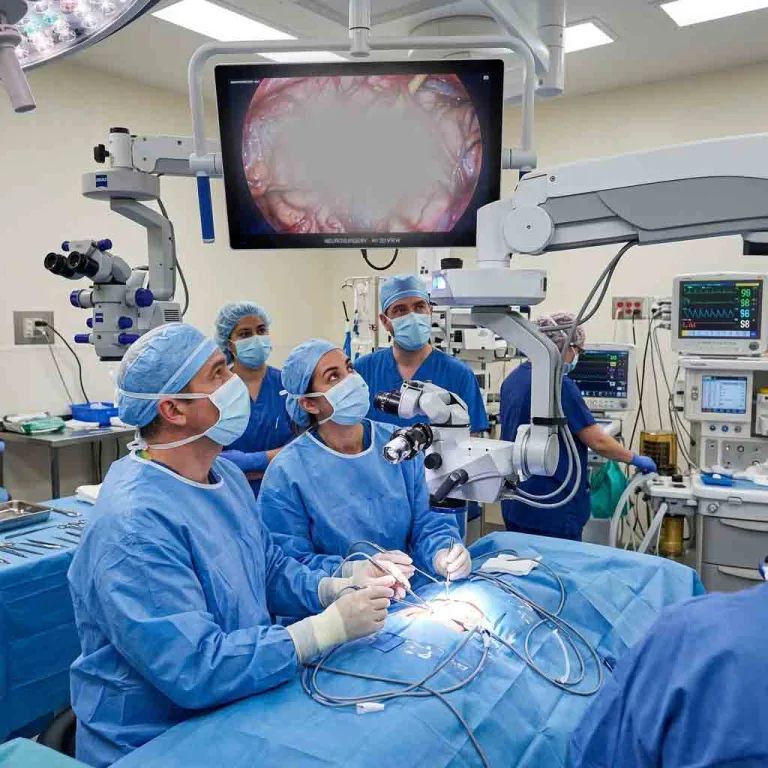
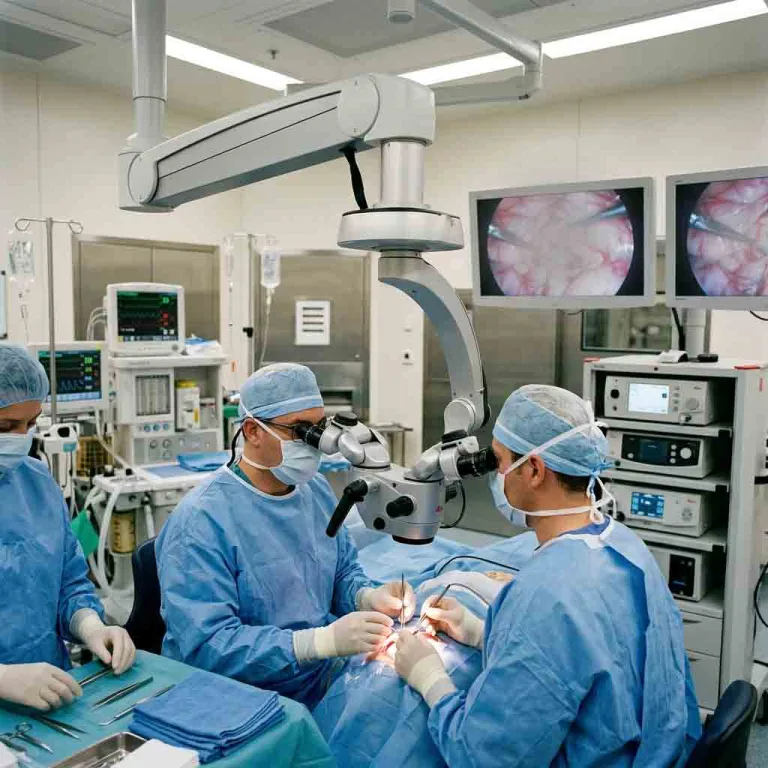
Picture this: You are three hours into a complex spinal microdiscectomy, a delicate root canal, or a meticulous vocal cord polypectomy. The operating room is equipped with a state-of-the-art, ceiling-mounted surgical dome outputting 160,000 lux of brilliant white light.
However, as you lean forward to peer into a surgical incision that is only a few centimeters wide but several centimeters deep, the surgical cavity suddenly goes dark. The overhead light is completely blocked by your own head and shoulders. You ask the circulating nurse to adjust the overhead light arm, but the new angle creates a harsh shadow cast by your surgical instruments.
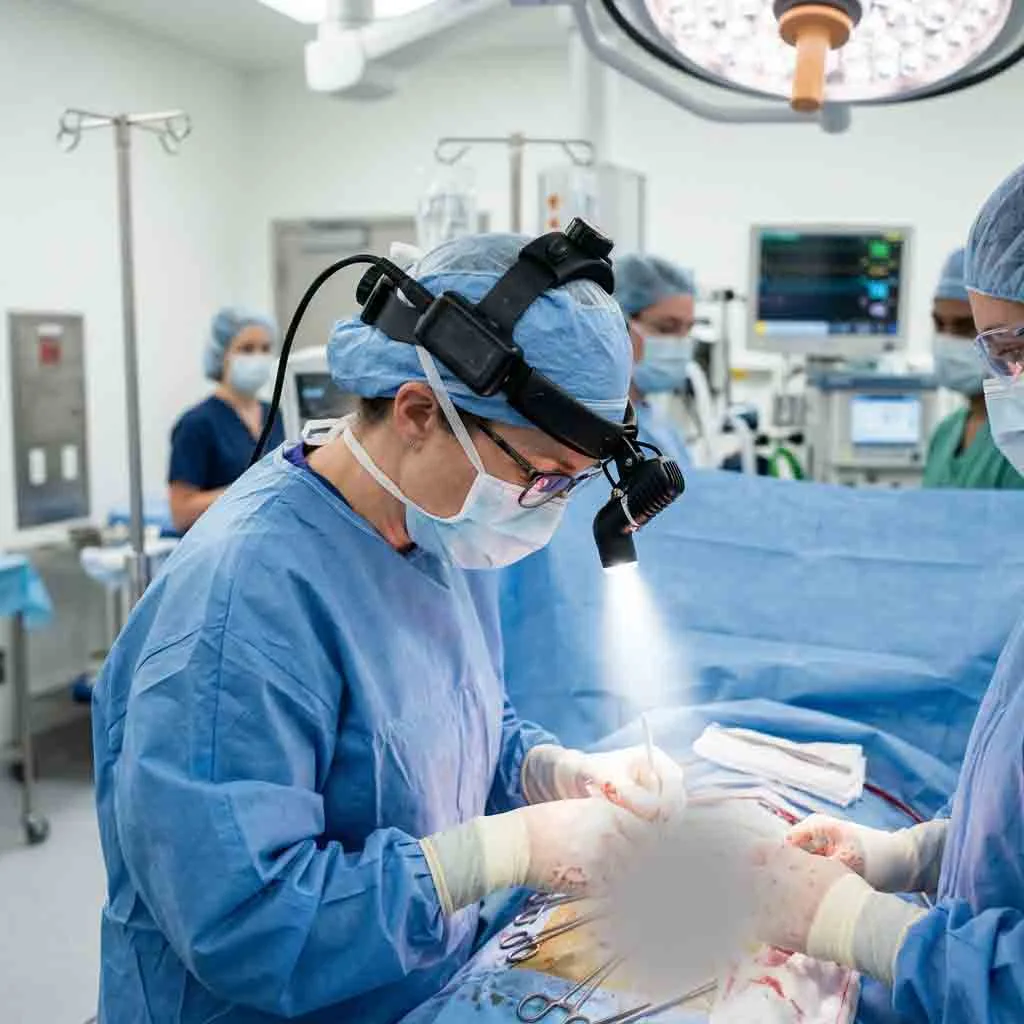
This scenario illustrates the fundamental physical limitation of overhead surgical lighting. In deep cavity surgery, ambient overhead light simply cannot penetrate narrow corridors. To achieve true, shadow-free visibility, the light source must originate from the exact same axis as the surgeon’s eyes.
This principle—known as coaxial lighting—is the driving force behind the global adoption of the medical headlight. Once considered a clunky, tethered accessory, the modern shadowless medical headlamp has evolved into an untethered, ergonomic necessity.
This guide explores the clinical applications, the physics of shadow elimination, and the ergonomic breakthroughs that make surgical headlights indispensable for modern clinicians.
The Physics of Surgical Shadows and Coaxial Lighting
To understand the value of a portable surgical light, one must understand how shadows are formed in a clinical setting.
When a light source is positioned at an angle to the surgeon’s visual path (off-axis lighting), any object placed in that path—whether it is the surgeon’s head, hands, retractors, or the patient’s own tissue folds—will cast a dark shadow directly over the target area.
What is Coaxial Lighting?
Coaxial illumination solves this problem. When a clinician wears a surgical headlamp positioned directly between the eyes (usually resting on the bridge of the nose or forehead), the light beam travels along the exact same geometric path as the clinician’s line of sight.
Because the light and the surgeon’s vision are perfectly parallel, it is physically impossible for the surgeon’s head or upper body to cast a shadow into the cavity. Wherever the surgeon looks, the light follows instantly. This targeted beam illuminates the depths of narrow anatomical corridors, providing brilliant deep cavity illumination that overhead domes cannot achieve.
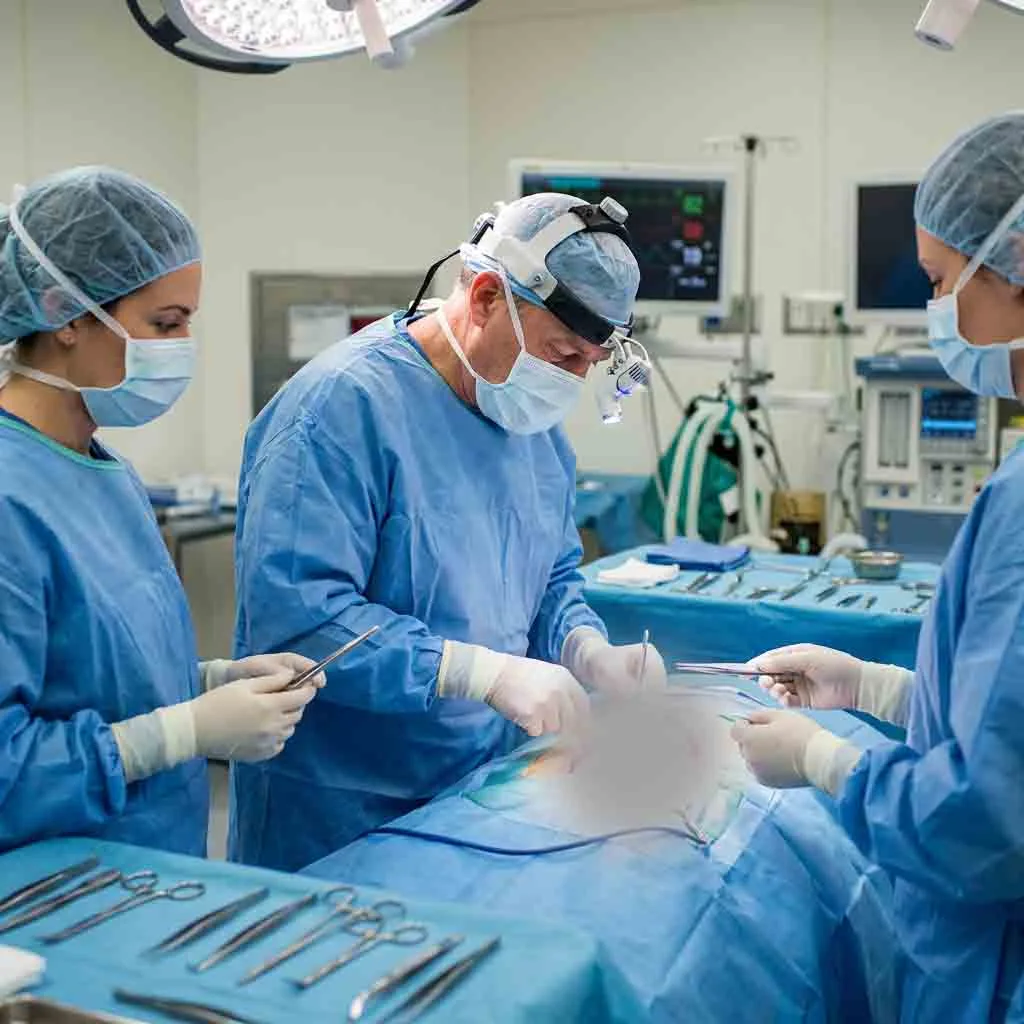
Off-Axis Overhead Lights vs. Coaxial Headlights
| Feature / Capability | Overhead Surgical Domes | Wearable Medical Headlights |
| Primary Lighting Role | Ambient room and wide-field surface lighting | Deep cavity, high-contrast targeted lighting |
| Shadow Creation | Blocked by surgical staff leaning over the table | Shadow-free (Coaxial alignment) |
| Mobility | Requires manual adjustment by sterile/unsterile staff | Moves instantly with the surgeon’s head |
| Tissue Penetration | Struggles with deep, narrow incisions | Excels in narrow, deep anatomical corridors |
| Focus / Spot Size | Large, broad light field (often 20cm to 30cm) | Adjustable, crisp spot size (often 2cm to 10cm) |
Specialty-Specific Clinical Applications
The necessity of a high-intensity LED surgical headlamp crosses almost every surgical and procedural discipline. Different medical specialties face unique anatomical challenges, making tailored headlamp solutions critical for clinical success.
1. Otolaryngology (ENT)
ENT specialists navigate some of the narrowest natural orifices in the human body. Whether examining the tympanic membrane inside a dark ear canal, performing functional endoscopic sinus surgery, or visualizing the vocal cords, external shadows are a constant enemy.
-
The ENT Headlight Advantage: A specialized ENT headlight provides a tightly focused, high-intensity spot of light that penetrates narrow speculums. Cordless models allow the ENT doctor to move freely between consultation chairs and examination tables without tripping over fiber-optic cables.
2. Dentistry and Endodontics
The oral cavity is notoriously difficult to illuminate. The patient’s cheeks, tongue, and the dentist’s own hands and mirrors constantly block overhead dental chair lights.
-
Dental Loupes with Light: Modern dentists and endodontists almost universally utilize dental loupes with light. By combining magnification loupes (2.5x to 5.0x) with a miniature, ultra-lightweight LED headlamp attached to the frame, dentists achieve crystal-clear visualization of calcified root canals, micro-fractures, and hidden decay. A high-quality medical loupe light ensures that restorative composite materials are color-matched perfectly under daylight-balanced LEDs.
3. Neurosurgery and Spine Surgery
Neurosurgeons and orthopedic spine surgeons operate through small, minimally invasive incisions (tubular retractors) that can be several inches deep.
-
Surgical Visualization: While large operating microscopes provide excellent light, there are many phases of spinal fusion or craniotomy setup where a microscope is too cumbersome. A powerful, cordless medical headlight allows the surgeon to perform deep dissection, control bleeding, and place pedicle screws with absolute visual confidence before the microscope is brought into the sterile field.
4. Plastic and Reconstructive Surgery
In aesthetic and reconstructive procedures, tissue color and vascular perfusion are critical indicators of flap survival.
-
High CRI Medical Light: Plastic surgeons rely on headlights with a high Color Rendering Index (CRI > 90). These lights reveal the true colors of red blood vessels, pink dermal tissues, and yellow subcutaneous fat without the bluish distortion common in cheap commercial LEDs. This accurate color representation is vital during microvascular anastomosis and delicate tissue grafting.
5. Veterinary Surgery
Veterinary surgeons often work on diverse anatomical structures across different animal species, frequently moving around complex operating tables. A portable surgical light worn on the head provides the necessary mobility and targeted brightness for everything from canine dental extractions to delicate abdominal exploratory surgeries.
The Ergonomic Crisis: Combating Surgeon Neck Fatigue
Surgical precision requires physical stability. However, the physical toll of operating is severe. Studies indicate that a vast majority of surgeons suffer from chronic musculoskeletal pain, particularly in the cervical spine (neck) and lumbar region (lower back).
The Postural Trap
Without a medical headlight, a surgeon is forced to contort their body to catch the overhead light. This often means leaning awkwardly to the side, dipping the head uncomfortably low, or twisting the spine to peer into a dark cavity while avoiding casting a shadow. Maintaining this asymmetrical posture for hours causes severe surgeon neck fatigue, muscle spasms, and long-term spinal disc degeneration.
The Headlight Solution
By wearing a surgical headlamp, the light is always exactly where it needs to be. The surgeon can maintain a healthy, neutral, upright spine posture. They simply look straight ahead at the surgical site, and the light automatically tracks their eye line.
The Evolution of Comfort: From Fiber-Optic to Cordless
Historically, headlights contributed to neck pain because they were heavy and tethered. Older models utilized a heavy halogen or xenon light box located on a cart, transmitting light to the surgeon’s head via a thick, heavy fiber-optic cable. This cable pulled down on the surgeon’s neck and restricted movement.
The modern era is defined by the cordless medical headlight.
-
Featherweight Engineering: Today’s LED modules weigh only a few grams. When mounted on custom-fit loupe frames or well-balanced headbands, the weight is distributed evenly across the cranial crown, eliminating pressure points on the forehead.
-
Lithium-Polymer Batteries: Instead of being tethered to a wall, modern surgeons wear compact, rechargeable battery packs clipped to their surgical scrubs or integrated directly into the back of the headband (acting as a counterweight to the front LED). This provides total freedom of movement around the operating table.
Procurement Value: Why Global Buyers Trust UMY Medical
As the demand for ergonomic, high-performance surgical visualization grows, hospital procurement departments and medical distributors are seeking reliable manufacturing partners that can deliver premium quality without inflated legacy brand markups.
This is where UMY Medical Equipment Co Ltd has established itself as an industry standard-bearer. As a dedicated manufacturer of professional medical equipment, UMY Medical engineers surgical headlights and optical solutions specifically designed to solve the physical and clinical challenges of the modern operating room.
The UMY Medical Advantage
-
Precision Illumination: UMY Medical headlights utilize premium LED technology that delivers true, daylight-balanced, shadow-free illumination. With exceptional Color Rendering Indices (CRI), their lights ensure that surgeons can easily differentiate between critical anatomical structures, protecting patient safety.
-
Ergonomic Excellence: Understanding the physical toll of long surgeries, UMY Medical focuses heavily on weight distribution. Their cordless medical headlights and loupe-integrated lights are engineered from aerospace-grade materials, ensuring they are light enough to wear for a 10-hour shift without causing surgeon neck fatigue.
-
Reliable Cordless Power: UMY’s advanced battery systems provide sustained, fade-free brightness throughout the longest surgical cases, ensuring that the light output remains consistent from the first incision to the final suture.
-
Factory-Direct Reliability: For B2B buyers, distributors, and clinic owners, sourcing directly from UMY Medical Equipment Co Ltd means accessing ISO-certified manufacturing, robust warranty support, and highly competitive procurement pricing that maximizes hospital Return on Investment (ROI).
Conclusion: Eliminating the Shadows of the Past
The transition from purely relying on overhead surgical domes to integrating wearable medical headlights is one of the most practical and impactful advancements in surgical ergonomics and patient safety.
Whether it is a dentist utilizing dental loupes with light for a flawless composite restoration, or a neurosurgeon wearing an ergonomic surgical headlamp to clip a deep cerebral aneurysm, the requirement is the same: crisp, shadowless, coaxial illumination. By untethering the surgeon, improving their posture, and illuminating the darkest anatomical cavities, modern medical headlights ensure that clinical skill is never compromised by a lack of visibility.
Now that we understand the clinical and ergonomic necessity of medical headlights, how do you choose the right one? In the next article, we dive deep into the technical specifications—separating marketing hype from clinical reality.