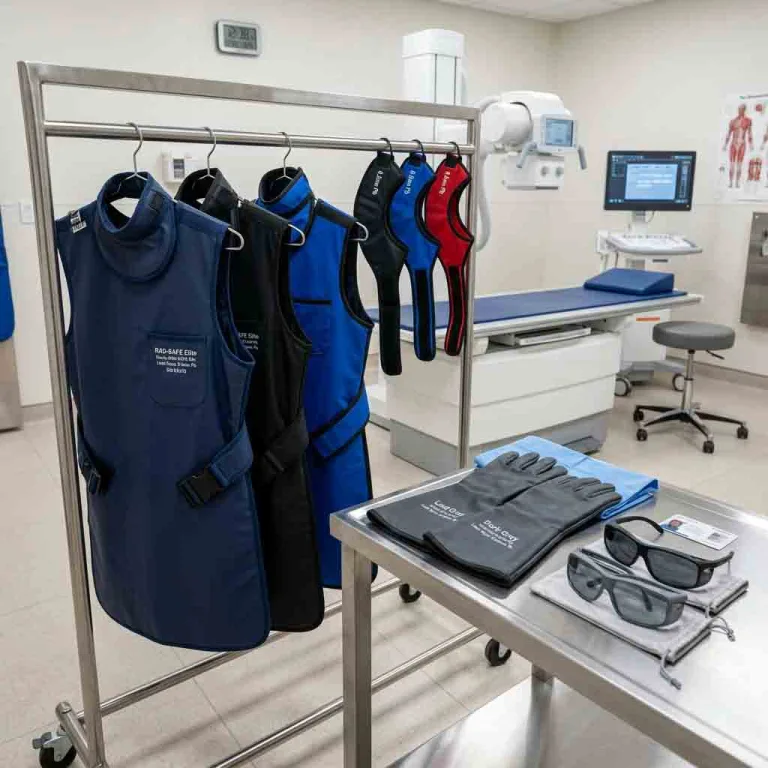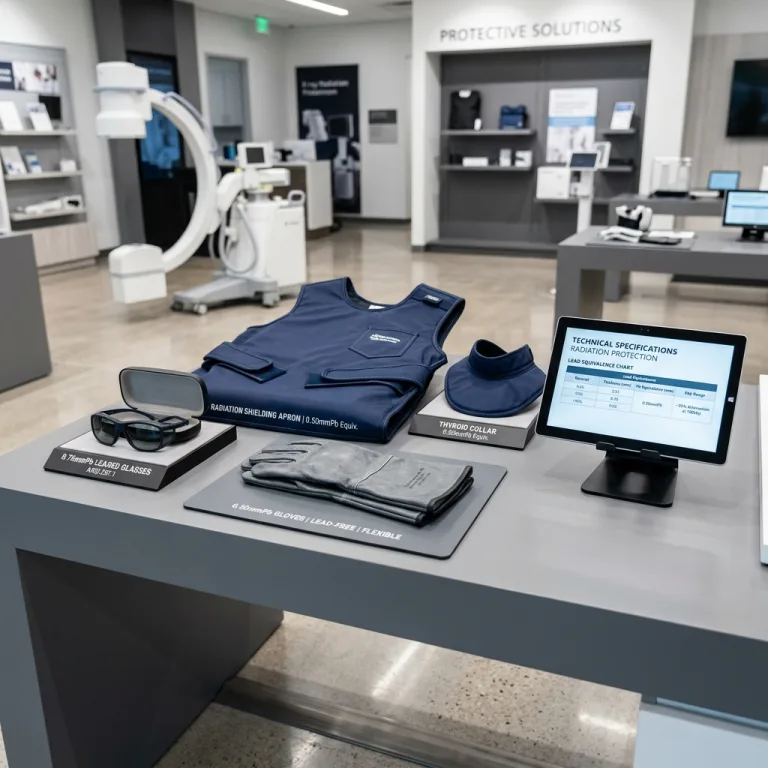
In modern clinical diagnostics, medical imaging equipment—ranging from fixed digital radiography (DR) systems and fluoroscopy to mobile C-arms—remains the high-frequency workhorse of radiology departments worldwide.
However, as global medical procurement shifts, rural healthcare markets expand, and international competition intensifies, the manufacturing landscape for X-ray modalities is undergoing a profound paradigm shift. As an established OEM medical device manufacturer specializing in advanced medical imaging, we analyze the core evolution of the modern digital radiography system across three pillars: hardware supply chains, image processing algorithms, and clinical adaptability.
1. X-Ray Tubes & Flat Panel Detectors: The Micron-Level Supply Chain Race
The diagnostic upper limit of any X-ray system depends heavily on its core components. For B2B procurement managers and brand owners, component configuration is the primary benchmark for tender compliance.
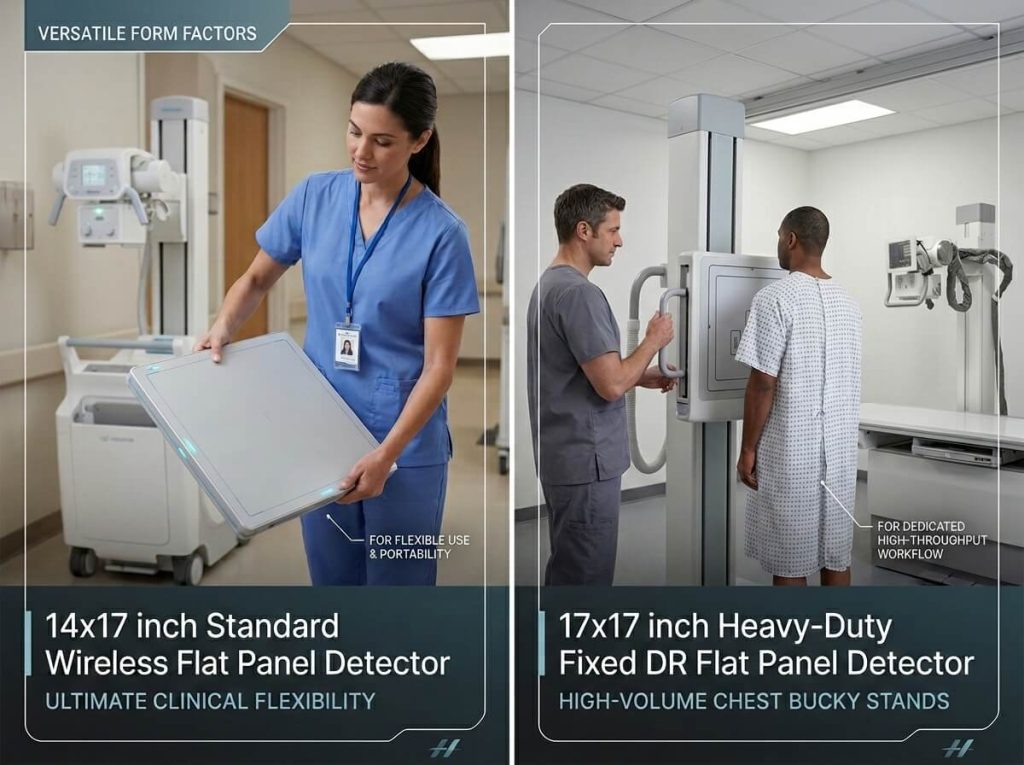
The Evolution of the X-Ray Flat Panel Detector (FPD)
While Amorphous Silicon (a-Si) detectors remain the cost-effective industry standard for routine screenings, next-generation modalities (such as digital mammography and interventional C-arms) are rapidly adopting CMOS flat panel detectors. CMOS technology delivers exceptional readout speeds, ultra-low electronic noise, and superior spatial resolution.
-
Manufacturing Insight: Through precise alignment of micron-level pixel pitch during system integration, our production lines ensure artifact-free, low-noise dynamic imaging even at high frame rates.
Tube Heat Capacity & High-Frequency Generators
The heat capacity of the X-ray tube dictates the system’s ability to handle high-throughput, continuous clinical environments. Simultaneously, the inverter frequency of the high-voltage generator (typically required to be $\ge 50\text{ kHz}$) directly impacts the spectrum purity and stability of the X-ray output.
2. Image Chain Algorithms: Balancing Image Quality and Radiation Dose
Clinicians constantly demand sharper contrast and finer resolution to detect subtle pulmonary nodules or occult fractures. Conversely, regulatory frameworks and patient safety guidelines mandate that radiation exposure be minimized. Solving this paradox depends entirely on the manufacturer’s proprietary image processing pipeline.
Our R&D team utilizes a robust matrix of imaging software to empower hardware performance:
-
High Dynamic Range (HDR) Compression: This resolves the clinical challenge of imaging bone and soft tissue simultaneously. It ensures that high-density cortical bone and low-density lung markings are displayed with vivid contrast in a single exposure.
-
Software-Based Scatter Correction (Gridless Imaging): By bypassing traditional physical anti-scatter grids, our virtual grid algorithms simulate and eliminate scatter radiation. This approach reduces the patient dose by $20\% \sim 30\%$ while preventing grid-cutoff artifacts caused by positioning errors.
-
Deep Learning-Based Denoising (DL-Denoise): Integrating AI-driven noise reduction allows the system to filter out stochastic noise under low dose X-ray imaging protocols, reconstructing authentic anatomical details without blurring fine structures.
3. Scenario-Specific Adaptability in Modern Clinical Workflows
Today, a one-size-fits-all fixed system is no longer sufficient. To capture diverse market segments, our factory provides scenario-specific customization across several rapidly growing niches:
The Mobile DR System: Critical Care and Emergency Medicine
ICU, ER, and isolation wards require high mobility. Our mobile DR system designs focus on lightweight chassis engineering, responsive power-assisted drive systems, and extended-range wireless detector connectivity, enabling rapid positioning and immediate exposure in confined spaces.
Veterinary Digital Radiography: A High-Growth Blue Ocean
The veterinary imaging sector is experiencing significant global growth. Because animals vary drastically in size and cannot follow breath-holding commands, we have engineered dedicated veterinary workstations. These feature species-specific exposure protocols and ultra-fast exposure switching to eliminate motion artifacts.
Cost-Efficiency for Emerging Markets
To meet the budgetary constraints of community clinics and private diagnostic centers, equipment must balance performance with long-term reliability. We optimize internal structural layouts for thermal dissipation and dust proofing, reducing field failure rates and accelerating the return on investment (ROI) for healthcare operators.
Conclusion: Partnering with a Compliant Medical Imaging Manufacturer
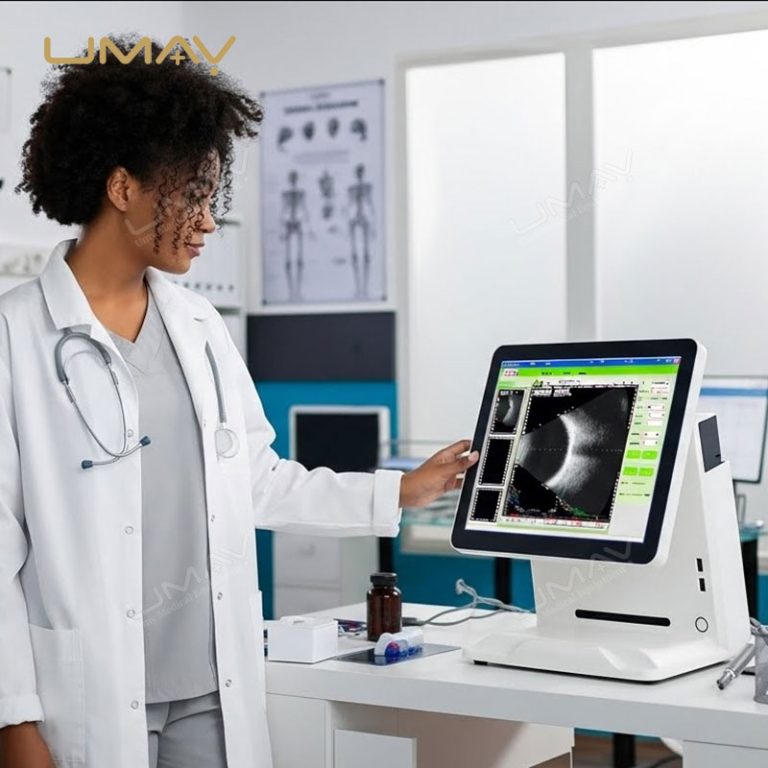
The manufacturing of advanced X-ray and ultrasound modalities is an intricate fusion of precision mechanics, high-voltage electronics, and computer vision algorithms.
As a specialized, ISO 13485-certified OEM medical device manufacturer, we provide more than just contract assembly. We deliver end-to-end solutions spanning global regulatory compliance (NMPA, CE MDR, FDA 510k documentation support), robust supply chain vertical integration, and deep hardware-software synergy. Whether you are looking for a reliable CDMO partner for your next-generation medical imaging line or seeking high-quality contract manufacturing, we are committed to being your trusted engineering foundation.