Digital X-Ray Machine Price Guide
One of the first questions buyers ask is:
“How much does a digital X-ray machine cost?”
The answer depends on many factors, including system configuration, detector technology, generator power, software functions, certifications, and installation requirements.
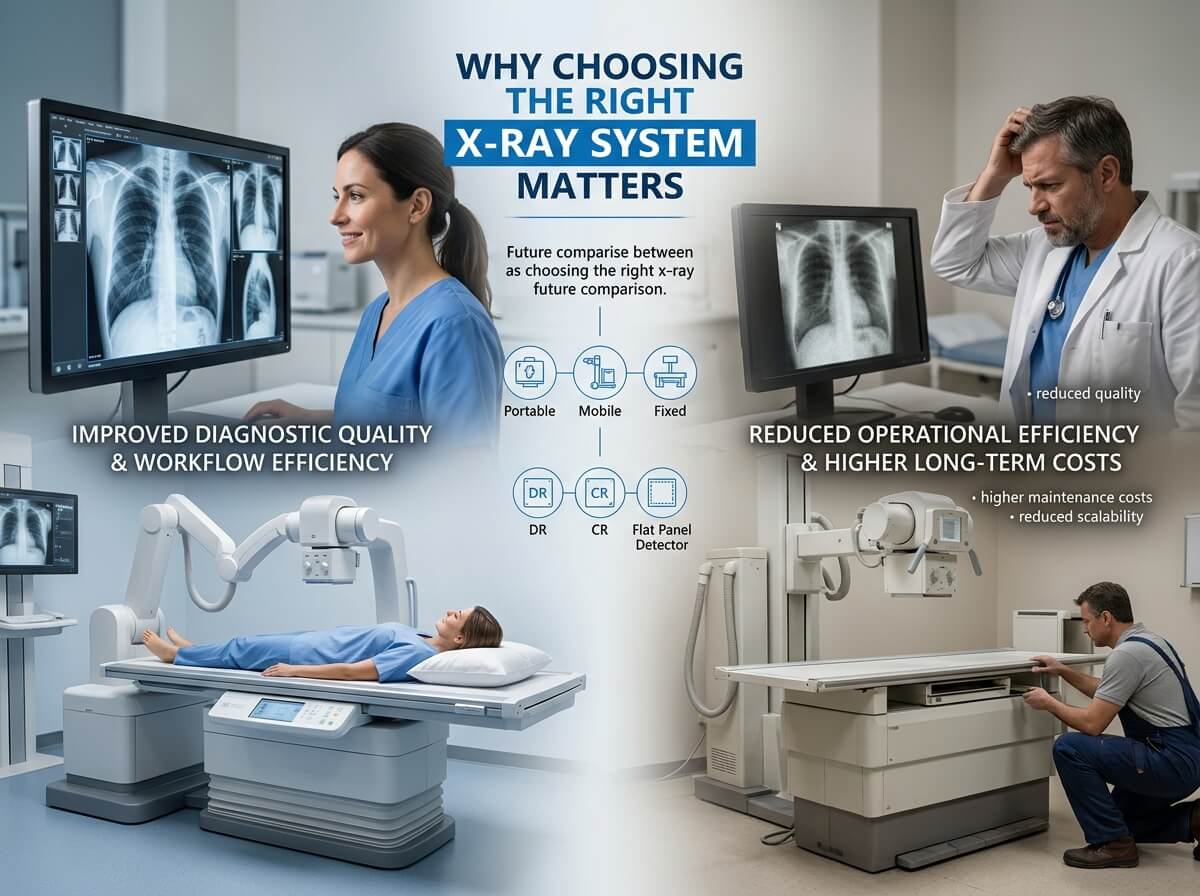
Rather than focusing only on the purchase price, healthcare providers should evaluate the Total Cost of Ownership (TCO) over the equipment’s lifetime.
A higher-quality system may require a larger initial investment but can significantly reduce maintenance costs, improve workflow efficiency, minimize downtime, and provide a longer service life.
Factors That Affect Digital X-Ray Machine Prices
Several variables influence the final price of a DR system:
- X-ray generator power (20 kW, 32 kW, 50 kW, 65 kW, or 80 kW)
- Flat panel detector brand and technology
- Wired or wireless detector configuration
- Number of detectors included
- Ceiling-mounted, floor-mounted, or U-arm design
- Image acquisition software
- AI-powered imaging functions
- PACS, RIS, and HIS integration
- Installation requirements
- Regulatory certifications
- Warranty period
- Training and after-sales service
Hospitals should request detailed quotations that clearly specify the included accessories and software modules.
How to Choose a Reliable X-Ray Machine Manufacturer
Choosing the right supplier is just as important as choosing the right equipment.
A professional manufacturer should offer not only competitive pricing but also engineering expertise, quality control, technical support, and long-term cooperation.
When evaluating manufacturers, consider the following:
Manufacturing Experience
An experienced manufacturer is more likely to provide stable product quality and mature production processes.
Look for companies with:
- Years of experience in medical imaging equipment
- Dedicated research and development teams
- Experienced engineers
- Successful international projects
- Continuous product innovation

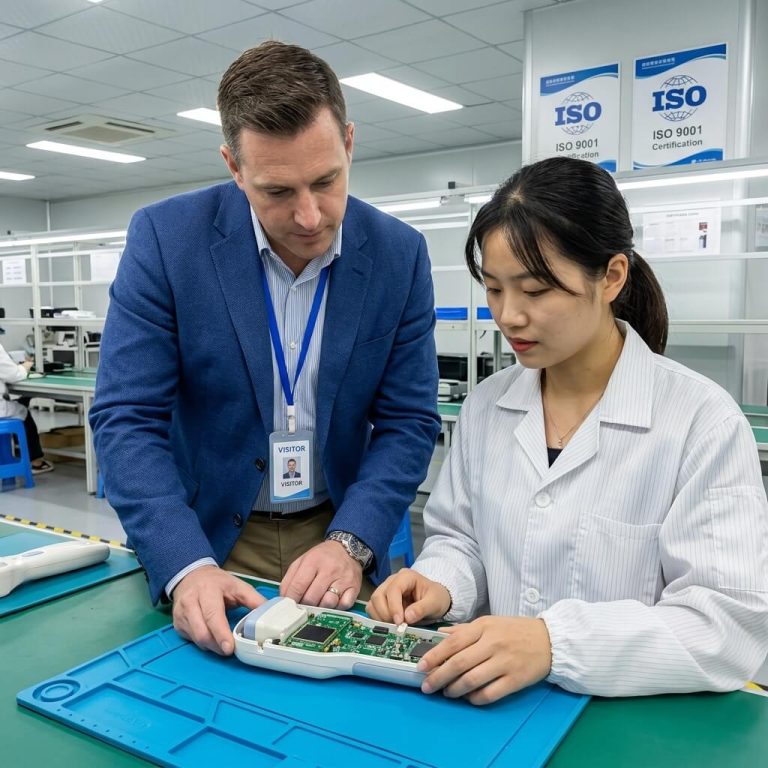
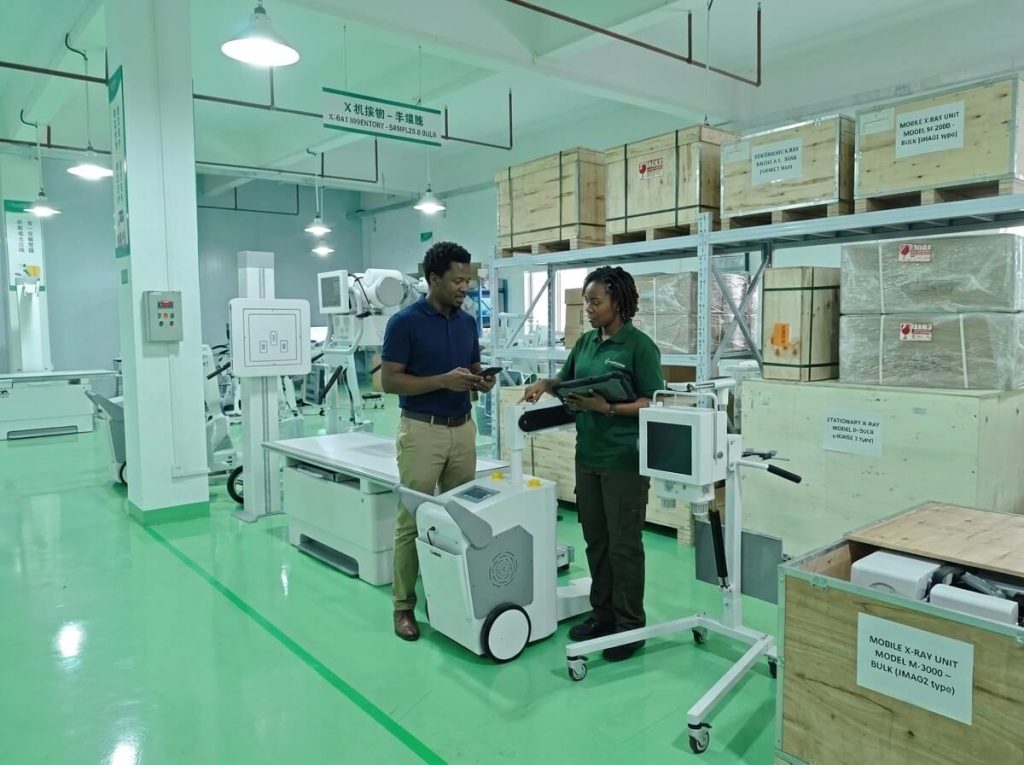
Modern medical device manufacturing facility specializing in advanced X-ray imaging systems and international B2B equipment supply.
Production Capacity
Reliable manufacturers should operate modern production facilities with standardized manufacturing procedures.
Key indicators include:
- Professional production lines
- Quality inspection laboratories
- Detector testing equipment
- Generator testing systems
- Aging test procedures
- Finished product inspection
- Packaging quality control
Consistent manufacturing standards help ensure every X-ray machine meets performance expectations before shipment.
International Certifications
Before purchasing, verify that the equipment complies with applicable regulatory standards.
Common certifications include:
- CE Certification
- FDA Registration (where applicable)
- ISO 13485 Quality Management System
- IEC 60601 Medical Electrical Safety Standards
These certifications demonstrate that the manufacturer follows recognized quality and safety requirements.
Why Many Buyers Choose Chinese X-Ray Manufacturers
China has become one of the world’s leading manufacturing centers for medical imaging equipment.
Many hospitals, distributors, NGOs, and government procurement agencies source digital X-ray systems from Chinese manufacturers because they offer an attractive balance between quality, technology, and cost.
Key advantages include:
- Competitive pricing
- Modern manufacturing facilities
- Continuous product development
- Flexible OEM and ODM services
- Large production capacity
- Global export experience
- Fast delivery schedules
- Comprehensive product portfolios
Many Chinese manufacturers now export to hospitals and distributors across Africa, the Middle East, Southeast Asia, Latin America, Europe, and other international markets.
OEM and ODM Services
Healthcare distributors often require customized solutions to meet local market needs.
Many professional manufacturers provide both OEM (Original Equipment Manufacturer) and ODM (Original Design Manufacturer) services.
OEM services may include:
- Custom branding
- Private labeling
- User manual customization
- Packaging design
- Software language customization
- Logo printing
ODM services may include:
- Customized hardware configuration
- Software feature development
- Product appearance modification
- Market-specific solutions
- New product development
These services allow distributors to establish their own medical equipment brands while benefiting from experienced manufacturing capabilities.
Factory Inspection Checklist
Before placing a large order, buyers should perform a factory audit whenever possible.
During the inspection, evaluate:
Production Facility
- Factory size
- Production lines
- Assembly process
- Warehouse management
- Clean production environment
Quality Control
- Incoming material inspection
- Production quality inspection
- Detector calibration
- Image quality testing
- Final inspection procedures
Engineering Capability
- Research and development team
- Software engineers
- Mechanical engineers
- Electrical engineers
- Technical documentation
Export Experience
- International certifications
- Packaging standards
- Shipping experience
- Export documentation
- Installation support
A professional factory inspection reduces procurement risks and builds confidence in long-term cooperation.
Questions to Ask Before Signing a Purchase Contract
Before confirming an order, buyers should clarify several important details with the manufacturer.
Recommended questions include:
- What is the production lead time?
- How long is the warranty period?
- What training is included?
- Are installation services available?
- Can remote technical support be provided?
- Are software updates included?
- What spare parts are supplied?
- What is the expected service life of the detector?
- How quickly can replacement parts be delivered?
- Is online troubleshooting available?
Clear communication before purchase helps prevent misunderstandings after installation.
Frequently Asked Questions (FAQ)
What is the difference between DR and CR?
Digital Radiography (DR) uses a flat panel detector to capture images instantly, while Computed Radiography (CR) relies on imaging plates that must be processed in a CR reader. DR offers faster workflow, higher image quality, and improved efficiency.
How long does a digital X-ray machine last?
With proper maintenance, most digital radiography systems have an expected service life of approximately 8 to 15 years, depending on usage, operating conditions, and preventive maintenance.
Which generator power is best?
The ideal generator depends on your clinical requirements.
- 20–32 kW: Small clinics and veterinary practices
- 40–50 kW: General hospitals and diagnostic centers
- 65–80 kW: High-volume hospitals and trauma centers
Are wireless flat panel detectors worth the investment?
Wireless detectors improve positioning flexibility, simplify bedside imaging, and enhance workflow efficiency, making them a popular choice for modern hospitals.
Can a DR system integrate with PACS?
Yes. Most modern digital X-ray systems support DICOM standards and can integrate with PACS, RIS, HIS, and EMR systems.
What certifications should I look for?
Depending on your country’s regulations, buyers commonly request CE, ISO 13485, IEC 60601 compliance, and FDA-related documentation where applicable.
Is installation difficult?
Professional manufacturers usually provide installation guidance, user training, and technical support. Proper room preparation before delivery helps ensure a smooth installation process.
How important is after-sales service?
Reliable after-sales service is essential. Technical support, software updates, spare parts availability, and preventive maintenance all contribute to minimizing downtime and extending equipment life.
Final Buying Checklist
Before making your final decision, confirm the following:
- ✔ Clinical applications match your needs
- ✔ Appropriate generator power
- ✔ Suitable detector size
- ✔ Wired or wireless detector selection
- ✔ AI and image processing features
- ✔ DICOM and PACS compatibility
- ✔ Radiation safety features
- ✔ Room installation requirements
- ✔ Regulatory certifications
- ✔ Warranty and technical support
- ✔ Spare parts availability
- ✔ Preventive maintenance plan
- ✔ Manufacturer reputation
- ✔ OEM or ODM capabilities (if required)
- ✔ Total cost of ownership rather than purchase price alone
Completing this checklist can help reduce procurement risks and ensure a successful long-term investment.
Conclusion
Choosing the right digital X-ray machine is about more than purchasing equipment—it is about improving diagnostic accuracy, enhancing workflow efficiency, supporting healthcare professionals, and delivering better patient care.
Whether you are upgrading from a CR system, building a new radiology department, expanding a diagnostic imaging center, or sourcing equipment for international distribution, understanding your clinical requirements and evaluating the right combination of hardware, software, service, and manufacturer support is essential.
A reliable digital radiography system should provide high-quality imaging, dependable performance, seamless workflow integration, and the flexibility to adapt to future technological developments.
By carefully assessing detector technology, generator power, software capabilities, installation requirements, maintenance support, and supplier experience, buyers can make informed decisions that deliver long-term value.
For organizations seeking dependable medical imaging solutions, working with an experienced manufacturer that offers comprehensive product support, international certifications, OEM/ODM capabilities, and responsive after-sales service can help ensure successful implementation and sustainable growth.
As digital healthcare continues to evolve, investing in the right DR system today will help hospitals and clinics remain efficient, competitive, and prepared for the future of medical imaging.