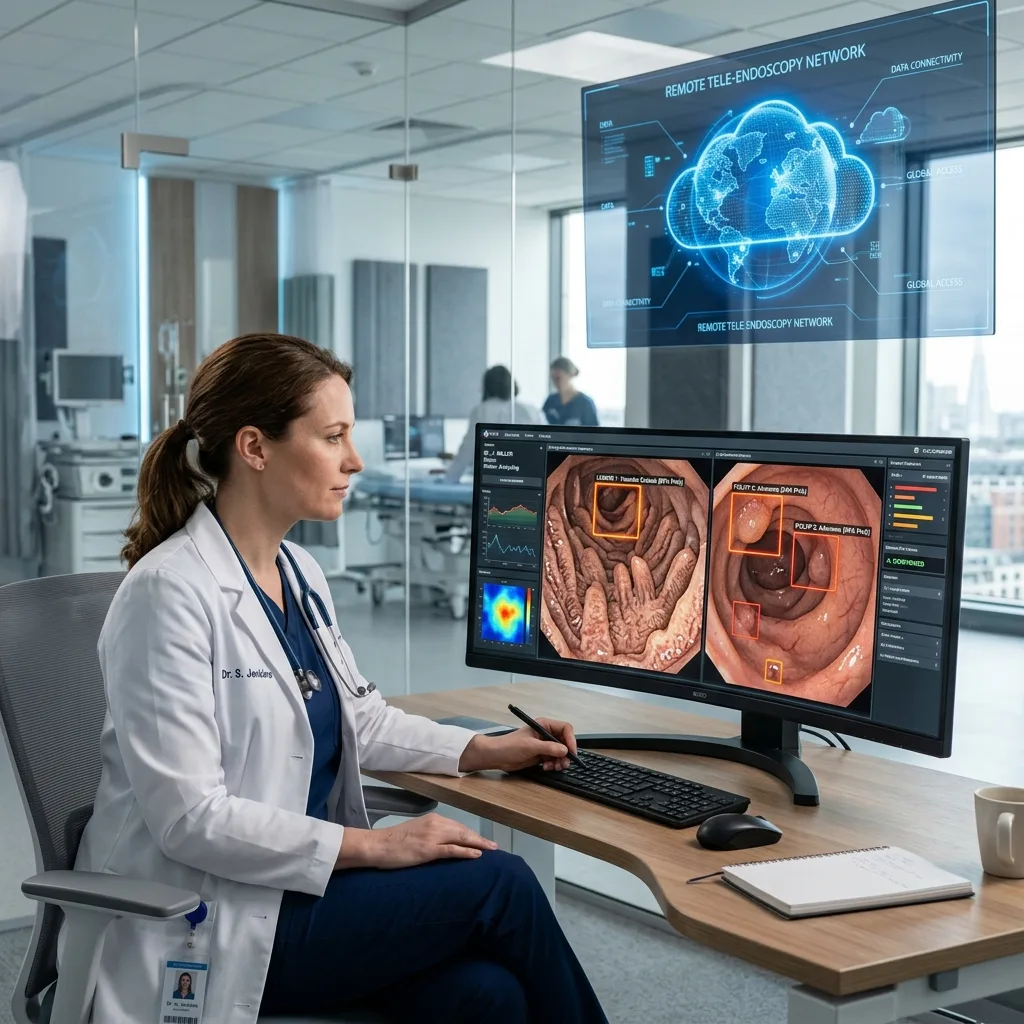
For hospital procurement directors, chief radiologists, emergency department managers, and medical equipment distributors, determining the optimal capital investment between Computed Tomography (CT) systems and Diagnostic Ultrasound platforms is a crucial strategic decision. Both modalities serve as fundamental diagnostic pillars in acute care, outpatient clinics, and specialized imaging centers. However, their underlying imaging physics, capital expenditure (CapEx), operational overhead, and clinical applications differ significantly.
This B2B procurement guide provides an exhaustive clinical, technical, and financial comparison to help healthcare purchasing committees choose the right technology—or optimal equipment mix—for their clinical throughput demands.
1. Technical & Physical Principles: CT vs. Ultrasound
Understanding the physical foundation of each imaging system is essential for evaluating diagnostic versatility, patient safety, and facility infrastructure requirements:
-
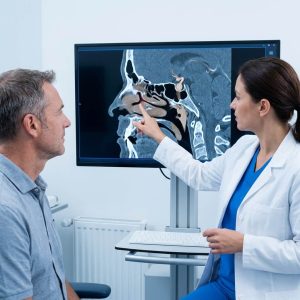
Computed Tomography (CT): CT utilizes rotating X-ray tube assemblies and high-efficiency solid-state detectors to capture multi-planar cross-sectional slices of the human body. Advanced 16-slice to 128+-slice CT scanners employ complex reconstruction algorithms (including AI-driven iterative reconstruction) to generate 3D volumetric images of bone, soft tissue, and vascular structures.
-
Diagnostic Ultrasound: Ultrasound employs high-frequency acoustic sound waves (typically 1.0 MHz to 18.0 MHz) emitted via piezoelectric transducers. As sound waves bounce off internal tissue boundaries, the system processes echo returns in real time, delivering radiation-free anatomical and hemodynamic (Doppler) imaging.
2. Clinical Scope & Application Comparison
Selecting between CT and ultrasound depends heavily on the targeted clinical department and diagnostic requirements:
| Clinical Application / Organ System | CT Scan Capabilities | Ultrasound Capabilities | Primary Choice |
| Trauma & Emergency Triage | Whole-body polytrauma evaluation, intracranial hemorrhage, complex fractures | Rapid bedside FAST exam (detection of internal fluid/hemorrhage) | CT for detailed trauma; Ultrasound for bed-side triage |
| Pulmonary & Chest Imaging | High-resolution lung parenchyma, pulmonary embolism (CTA), tumors | Pleural effusion, pneumothorax screening at bedside (POCUS) | CT Scan (Gold Standard) |
| Abdomen & Gastrointestinal | Appendicitis, bowel obstruction, complex retroperitoneal tumors | Gallstones (cholelithiasis), fatty liver, renal cysts, appendicitis (pediatric) | Ultrasound (First-Line); CT (Secondary/Complex) |
| Obstetrics & Gynecology | Restricted due to ionizing radiation safety risks | Fetal monitoring, ectopic pregnancy, uterine fibroids, ovarian cysts | Ultrasound (Gold Standard) |
| Cardiovascular System | Coronary CT Angiography (CCTA), aortic dissection, arterial calcification | Real-time cardiac contractility, valvular dysfunction, DVT vascular mapping | CT for anatomy; Ultrasound for real-time flow |
| Musculoskeletal (MSK) | Complex bony fractures, joint alignment, post-operative hardware assessment | Tendon tears, bursitis, soft tissue masses, real-time needle guidance | Ultrasound for soft tissue; CT for bone structure |
3. Financial & Operational Breakdown: CapEx, OpEx, and Siting Requirements
Evaluating medical imaging hardware requires a total cost of ownership (TCO) analysis beyond the initial equipment purchase price:
| Financial & Operational Parameter | Computed Tomography (CT) Systems | Diagnostic Ultrasound Systems |
| Initial Capital Expenditure (CapEx) | $200,000 – $1,000,000+ (depending on slice count) | $15,000 – $80,000 (Cart-based); $2,500 – $8,000 (Handheld) |
| Facility Infrastructure & Siting | Dedicated lead-lined room, high-voltage power grid, reinforced flooring, HVAC | Zero room modifications; flexible wall-plug operation or battery power |
| Ionizing Radiation Shielding | Strict radiation safety compliance, lead shielding, dosimeter monitoring | None (Radiation-free modality) |
| Annual Maintenance & X-Ray Tube Upkeep | High ($20,000 – $60,000/year; tube replacement costs) | Low to Moderate ($2,000 – $6,000/year; probe protection) |
| Workflow & Patient Throughput | 10–15 minutes per scan; high revenue per scan | 15–30 minutes per comprehensive exam; rapid point-of-care screening |
4. Key Procurement Decision Factors for Hospitals and Clinics
When drafting tender specifications or reviewing vendor quotes, purchasing committees should consider three key operational factors:
-
Ionizing Radiation Safety & Patient Demographics: Facilities serving pediatric, pregnant, or routine outpatient populations must prioritize ultrasound as a non-invasive, radiation-free first-line diagnostic modality. CT should be reserved for complex diagnostic cases where anatomical precision outweighs radiation risks.
-
Mobility and Bedside Flexibility: Bulky CT scanners are fixed installations. If your health system requires point-of-care diagnostics across emergency wards, ICUs, or operating suites, portable ultrasound platforms and mobile radiography suites offer unmatched operational flexibility.
-
DICOM 3.0 & PACS Interoperability: Ensure both modalities interface natively with your hospital information system (HIS) and picture archiving and communication systems (PACS) for seamless image routing and teleradiology consultation.
5. Recommended Hospital Radiology & Diagnostic Solutions
To support comprehensive hospital workflows alongside CT and ultrasound suites, UMY Medical provides high-reliability diagnostic hardware engineered for international healthcare facilities:
| Equipment Category | Clinical Value Proposition | |
| Mobile Bedside DR Systems | 32kW/50kW high-frequency generator options, motorized cart chassis, wireless CsI flat panel detector for ICU imaging | |
| 3D Volumetric Dental CBCT | Multi-functional 3-in-1 volumetric imaging (CBCT, Pano, Ceph) delivering high-precision maxillofacial diagnostics | |
| General Radiography Suites | Hospital-grade floor-mounted and ceiling-suspended digital radiography suites engineered for continuous diagnostic demands |
6. Why Partner with UMY Medical for Global Equipment Procurement?
As a globally recognized developer and OEM manufacturer of diagnostic imaging technology, UMY Medical (www.umymedicalequip.com) serves hospital groups, ministry tenders, and international medical equipment distributors.
-
Direct Factory B2B Value: Sourcing directly from UMY Medical optimizes procurement budgets while securing Tier-1 diagnostic capabilities and full international regulatory compliance.
-
Full Interoperability: Native DICOM 3.0 protocol support ensures immediate compatibility with hospital enterprise networks and teleradiology platforms.
-
Comprehensive Global Support: UMY Medical backs international partners with flexible OEM/ODM customization options, long-term warranty protection, site layout engineering, and responsive technical service.
Frequently Asked Questions (FAQ)
Q1: Is an ultrasound scan as accurate as a CT scan?
Accuracy depends on the clinical question. Ultrasound is the gold standard for soft tissue evaluation, fetal monitoring, gallstones, and vascular blood flow. However, CT scans offer superior structural detail for lung tissue, complex bone fractures, intracranial bleeding, and deep retroperitoneal pathologies.
Q2: Why do hospitals invest in both CT scanners and ultrasound machines?
CT and ultrasound complement each other in clinical workflows. Ultrasound serves as a fast, radiation-free first-line triage tool (especially in ER, ICU, and OB/GYN departments), while CT provides definitive, high-resolution 3D anatomical visualization for emergency trauma and oncology staging.
Q3: What is the main maintenance driver for CT scanners compared to ultrasound?
The highest ongoing cost for CT systems is the X-ray tube replacement and high-voltage generator servicing, alongside specialized lead-room maintenance. Ultrasound maintenance primarily involves acoustic transducer care and routine software updates.
Request a Custom Equipment Quote & Technical Specification Package
Looking to expand your hospital’s diagnostic imaging department or source certified medical imaging hardware for international distribution?
Contact the UMY Medical sales engineering team today to request technical data sheets, site planning guidelines, and customized factory-direct B2B quotation packages.