The Last Frontier of Laboratory Automation: Beyond the Blood Tube
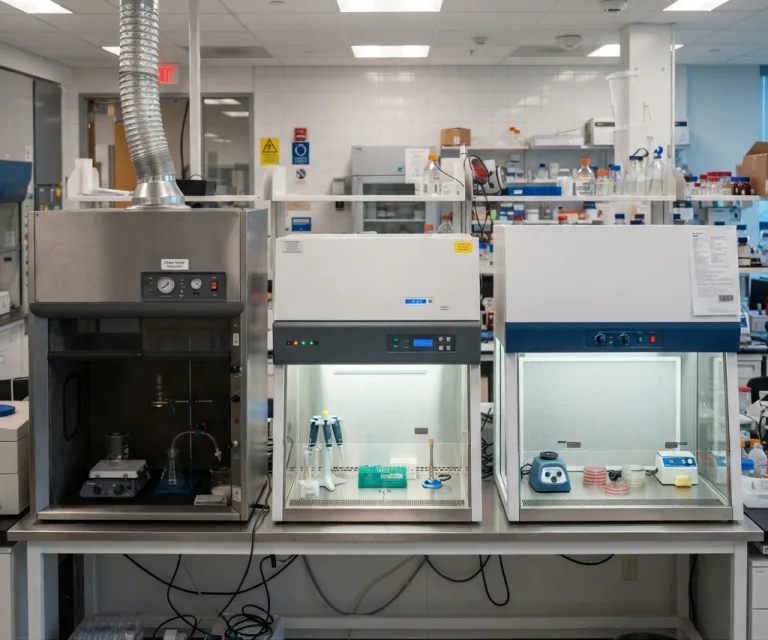
If you walk into a modern university hospital core laboratory today, the blood diagnostics department looks like a high-tech robotic assembly line. Massive, enclosed biochemistry and immunodiagnostic tracks transport blood sample tubes via magnetic conveyor belts, automatically centrifuging, uncapping, aliquoting, testing, and re-capping hundreds of specimens an hour with virtually zero human touch.
Yet, if you walk down the hall into the urinalysis, parasitology, or andrology sections, the operational reality changes drastically. In many hospitals worldwide, these non-blood fluid benches still rely on manual pipettes, open-bench wooden sticks, hand-tally counters, and subjective eyeball estimation under aging optical microscopes.
This stagnation creates three severe operational vulnerabilities:
-
The Turnaround Time (TAT) Bottleneck: When outpatient morning collection rushes flood the laboratory with hundreds of urine cups and stool vials, manual microscopic review creates a severe reporting backlog, delaying patient diagnosis and hospital discharge.
-
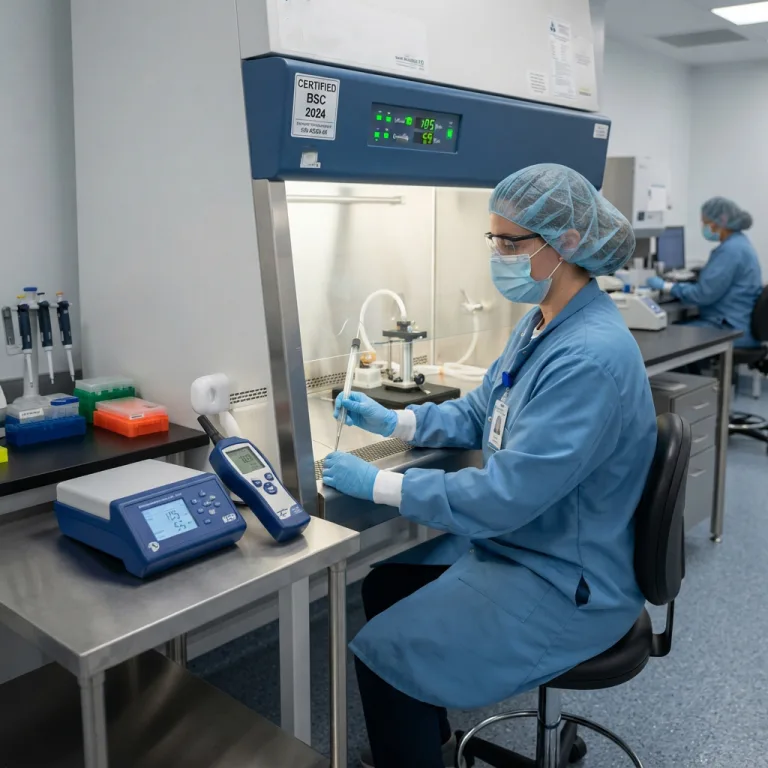
Occupational Health & Biosafety Hazards: Handling unpreserved urine and raw, odorous fecal specimens on open laboratory benches exposes medical technologists to biohazard aerosols and infectious pathogens, driving staffing shortages.
-
High Inter-Operator Subjectivity: Manual counting chambers, variable slide thickness, and visual fatigue lead to high coefficients of variation (CV) between technicians—undermining clinical confidence in urinalysis, occult blood screening, and male fertility reports.
Modern laboratory management demands a complete paradigm shift: automating and integrating the non-blood IVD laboratory.
1. The Technological Common Denominator: Digital Morphology & AI Vision
While urine, stool, and semen are entirely different biological fluids originating from distinct organ systems, their underlying analytical workflows share a powerful engineering common denominator.
Every modern non-blood analyzer relies on four converging technological pillars:
                  THE FOUR PILLARS OF NON-BLOOD AUTOMATION
+-------------------------------------------------------------------------+
| 1. SEALED FLUIDIC PRE-ANALYTICAL PREPARATION                            |
|    - Eliminates open-bench handling, biohazard aerosols, and spills.   |
|                                                                         |
| 2. HIGH-RESOLUTION DIGITAL MICROGRAPHY & Z-STACKING                     |
|    - Replaces human eyeball fatigue with stroboscopic CMOS imaging.     |
|                                                                         |
| 3. ARTIFICIAL INTELLIGENCE (CNN) CLASSIFICATION                         |
|    - Automatically isolates, measures, and sorts cellular targets.      |
|                                                                         |
| 4. BIDIRECTIONAL HL7 / ASTM LIS CONNECTIVITY                            |
|    - Transmits quantitative data and high-definition photo galleries.   |
+-------------------------------------------------------------------------+
-
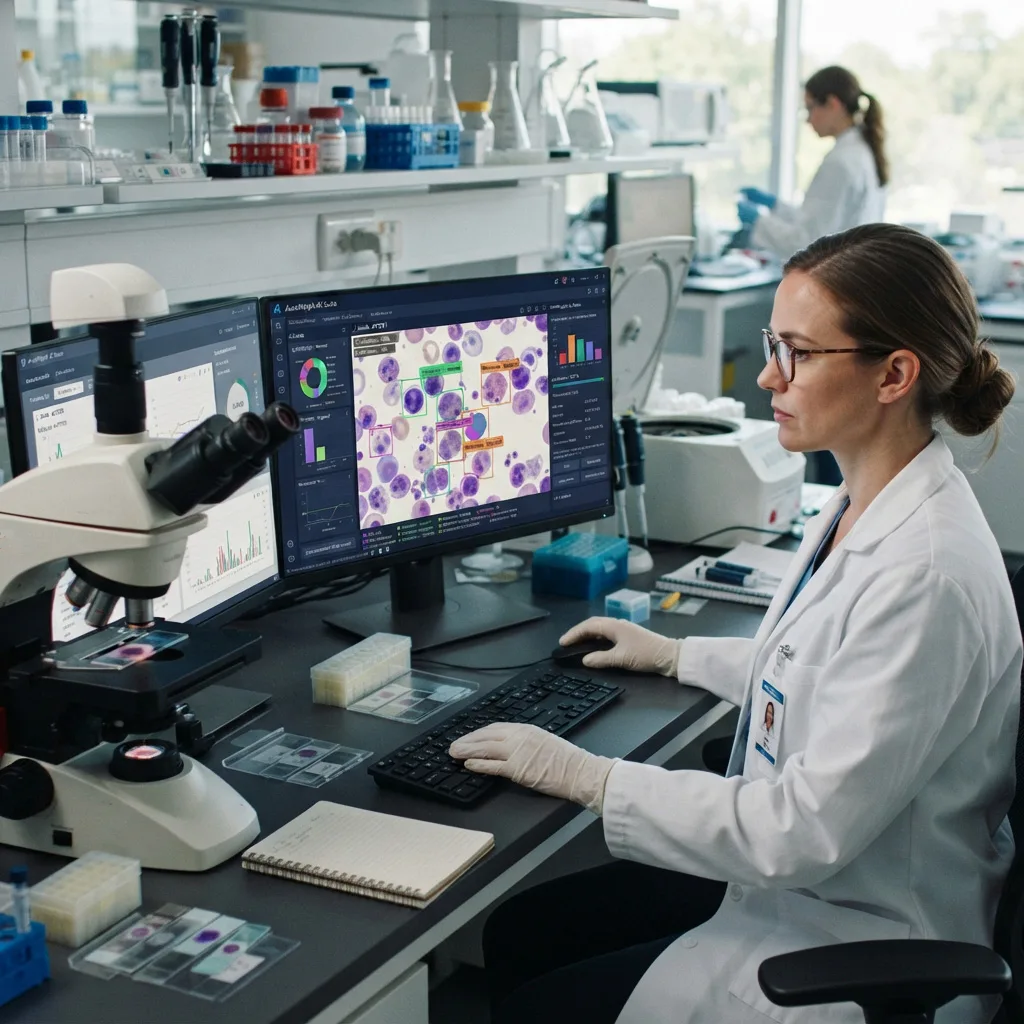
In Urinalysis: Automated dry chemistry and digital flow microscopy isolate 14 biochemical parameters and image intact red blood cells, white blood cells, casts, and crystals without manual tube centrifugation.
-
In Fecal Analysis: Sealed vortex filtration tubes and multi-focal plane Z-stacking cameras trap coarse dietary fiber while isolating parasite ova, protozoan cysts, leukocytes, and multi-marker immunochromatographic test lines.
-
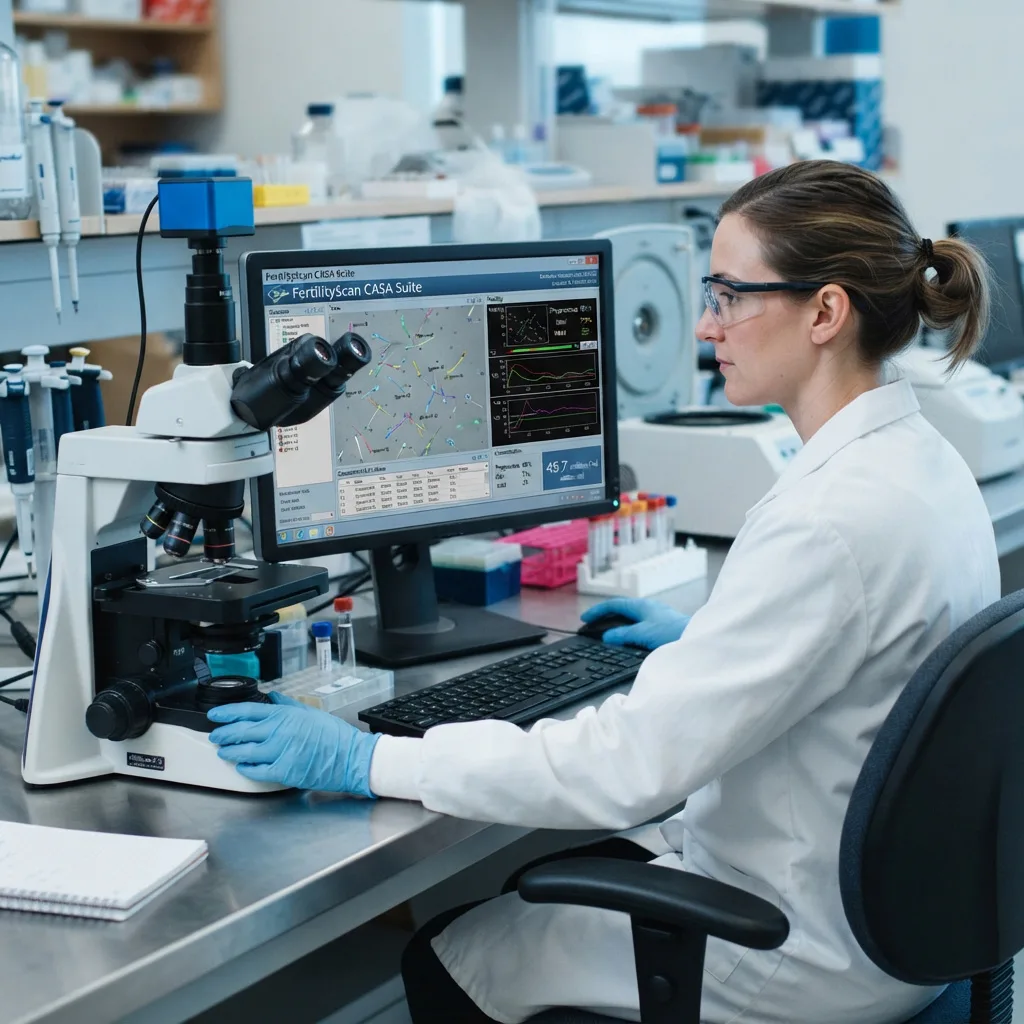
In Semen Analysis: Phase-contrast optics and high-speed global-shutter cameras track live sperm trajectories at 60+ frames per second, quantifying WHO motility kinematics and strict Kruger morphology objectively.
By unifying these three modalities under a single digital roof, the laboratory transforms from a collection of isolated manual tasks into a standardized, accredited, high-throughput diagnostic department.
2. Strategic Sourcing: The Power of Single-Vendor Consolidation
For hospital Chief Financial Officers (CFOs), laboratory directors, and international B2B medical equipment distributors, procuring diagnostic systems from multiple fragmented brands creates significant administrative and financial overhead.
The Hidden Costs of Fragmented Procurement
When a laboratory purchases a urine analyzer from Brand A, a fecal microscope from Brand B, and a CASA sperm analyzer from Brand C, it triggers a cascade of operational friction:
-
Interface Chaos: Three separate proprietary software platforms require custom middleware to connect to the hospital LIS, leading to constant communication drops and formatting errors during IT updates.
-
Maintenance Headaches: Three different service contracts, three distinct sets of spare tubing and optical components, and three separate vendor support teams to call when an instrument fails.
-
Consumable Overload: Managing separate supply chains for specialized reagent strips, unique sheath buffers, proprietary POCT cassettes, and cleaning solutions ties up valuable working capital.
The Single-Vendor Advantage
Consolidating your hospital or distribution network’s non-blood IVD portfolio under a single, reliable manufacturing partner eliminates these inefficiencies:
-
Unified Software UX: Technologists train on a single, intuitive interface layout across all workstations, drastically reducing onboarding time and transcription mistakes.
-
Streamlined Biomedical Support: A single point of contact for technical documentation, firmware updates, and replacement parts.
-
Maximized Volume Rebates: Sourcing urine, fecal, and andrology analyzers together unlocks preferential wholesale pricing tiers and optimized logistics freight consolidation.
Frequently Asked Questions (FAQ)
Q1: How difficult is it for laboratory technologists to transition from manual microscopy to automated urine, fecal, and sperm analyzers?
Transitioning to automated non-blood analyzers is exceptionally smooth because the software interfaces are designed to mimic the technologist’s familiar workflow—displaying real digital microscope images, classification galleries, and scattergrams on screen. Most laboratory staff become fully proficient in daily operation, sample loading, and result sign-off within 2 to 3 days of on-site factory or distributor training.
Q2: Can a small or medium-sized laboratory automate these three departments in phases?
Yes. Laboratories do not need to purchase a fully integrated robotic track system on day one. Many facilities begin by automating their highest-volume department (such as upgrading to a walk-away urine analyzer), followed by implementing an automated fecal workstation to eliminate open-bench biosafety hazards, and finally integrating a CASA sperm analyzer to elevate andrology diagnostics.
Q3: What is the typical capital payback period when automating urine, fecal, and andrology testing?
Driven by dramatic labor savings (reducing hands-on technician time by 70% to 80%), a sharp reduction in reagent waste, and the ability to process higher patient volumes without adding headcount, most clinical laboratories and outpatient clinics recover their initial capital investment within 60 to 120 days of full clinical operation.
Q4: How do automated analyzers handle remote software updates and cybersecurity compliance?
Modern non-blood analyzers operate on secure, isolated workstation operating systems. Diagnostic software packages are engineered with local data encryption and standard HL7 firewall protocols. When updates are required, manufacturers provide secure patch files or remote engineering assistance that protects hospital IT network integrity.