The Financial Stakes of Surgical Equipment Procurement
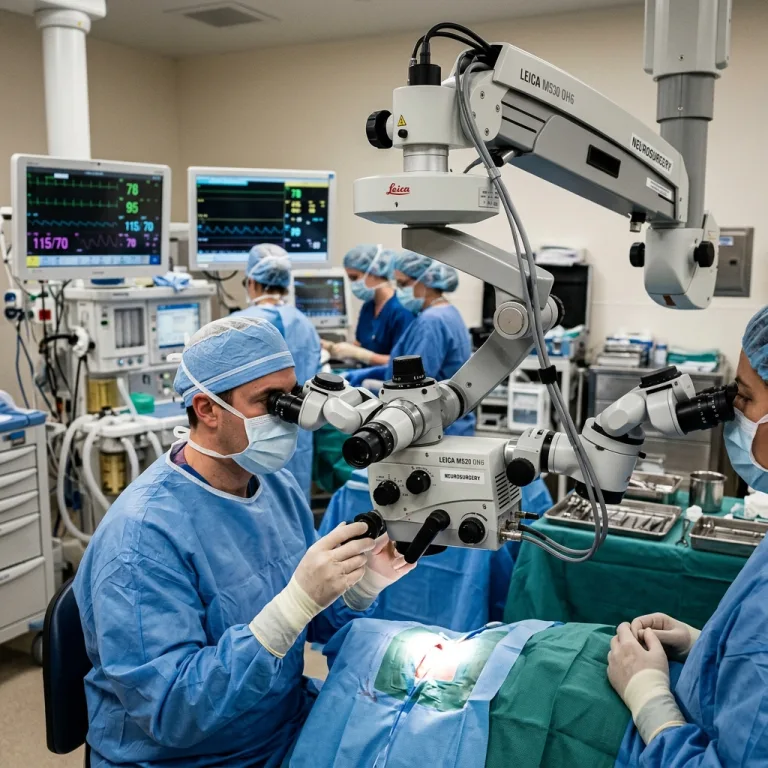
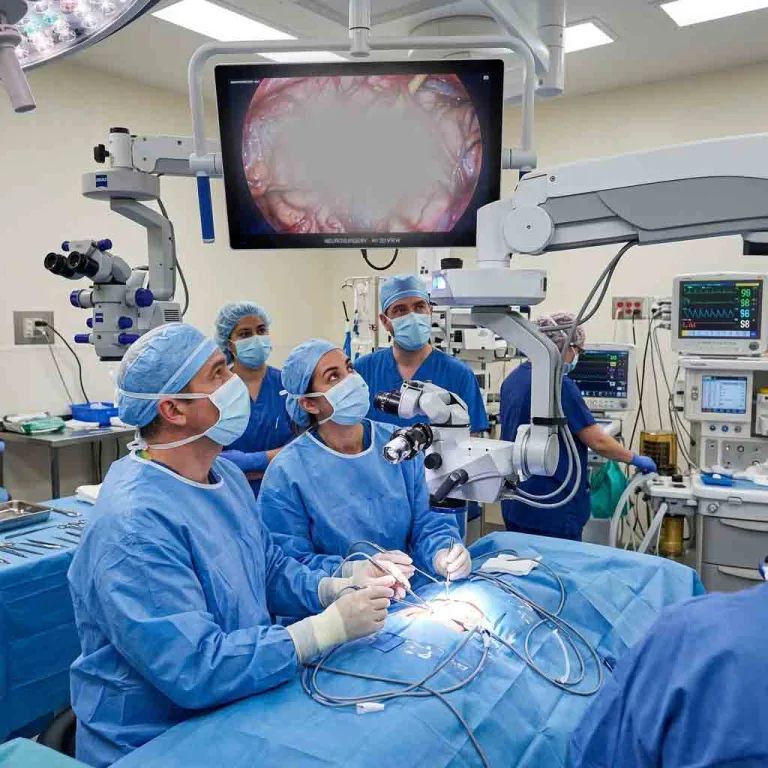
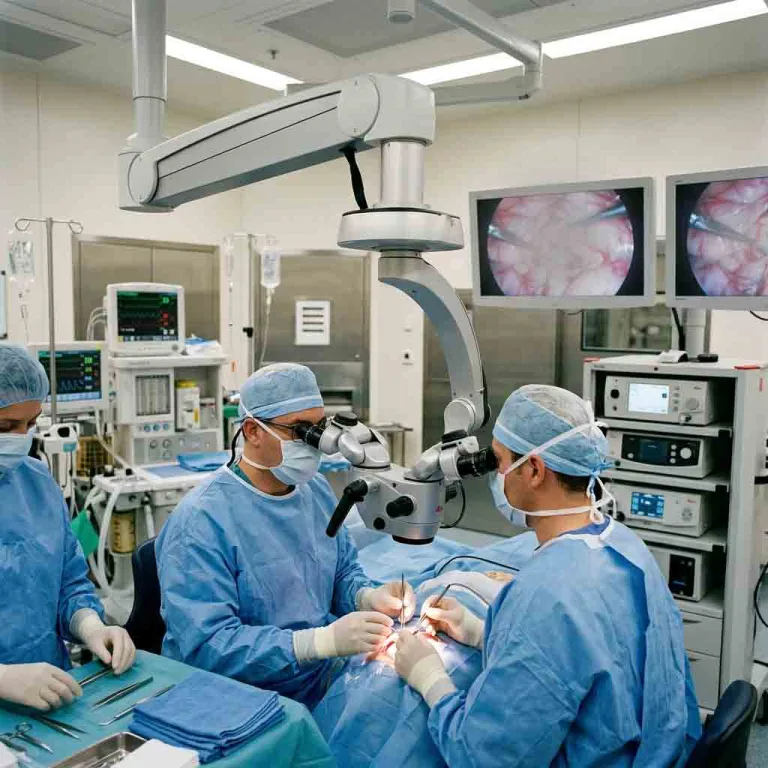
Equipping a modern operating room (OR) is a capital-intensive endeavor. Among the most critical and expensive assets in surgical departments—spanning neurosurgery, ophthalmology, ENT, and reconstructive plastic surgery—is the operating microscope.
Historically, global hospital procurement committees and medical device distributors relied on a small handful of legacy Western brands. This reliance often meant accepting premium markup pricing, expensive mandatory service contracts, and high consumable costs for replacement bulbs.
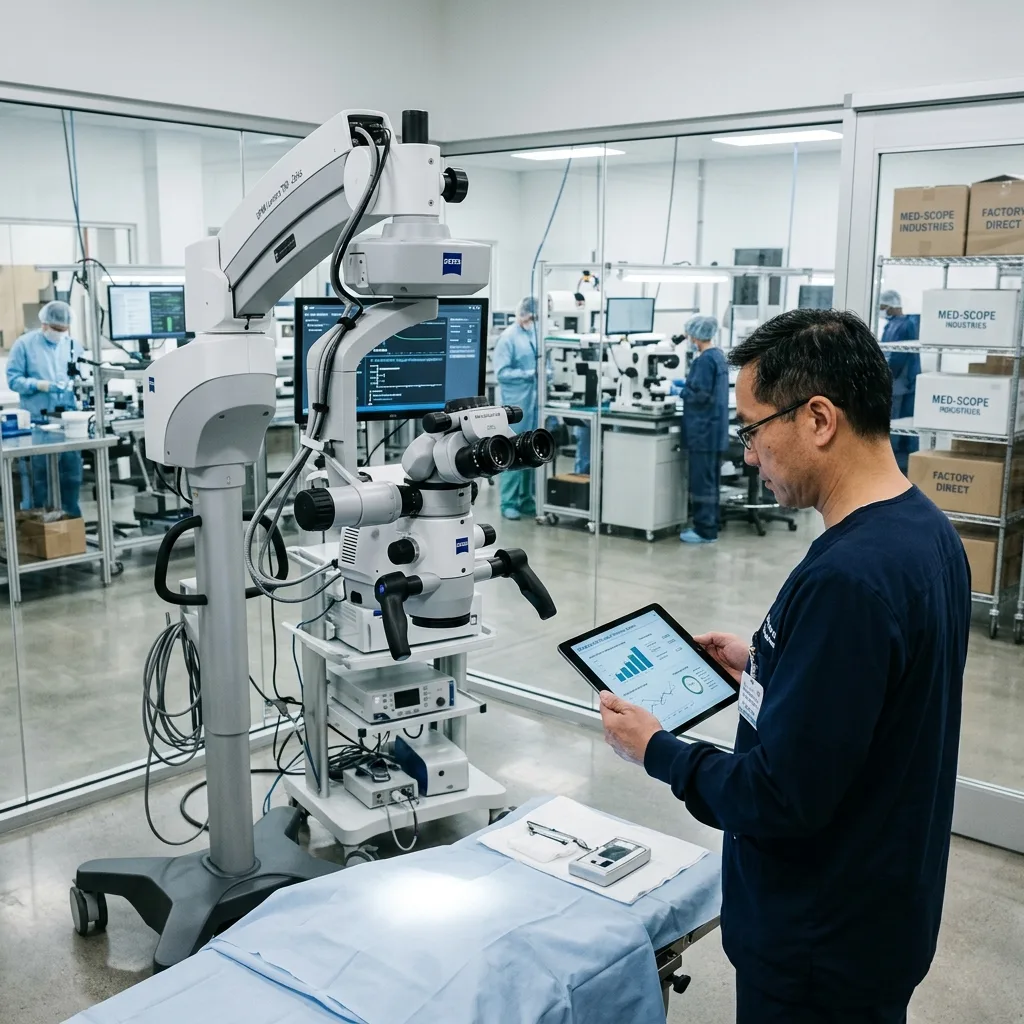
Today, the medical device supply chain is shifting. Hospital Chief Financial Officers (CFOs) and B2B medical importers are optimizing their budgets by sourcing diagnostic and surgical optics directly from certified, high-end original equipment manufacturers (OEMs).
This definitive B2B sourcing guide breaks down the financial mathematics of operating microscope procurement. We will explore how to calculate Total Cost of Ownership (TCO), how to evaluate hospital Return on Investment (ROI), the hidden risks of refurbished equipment, and the immense financial advantages of partnering directly with a manufacturer like UMY Medical Equipment Co Ltd.
2. Deconstructing Total Cost of Ownership (TCO)
The most common mistake made during hospital operating room equipment tenders is focusing exclusively on the initial sticker price (Capital Expenditure or CAPEX). A surgical microscope is an active mechanical and optical platform; its true financial footprint is its Total Cost of Ownership (TCO) over a 10-to-15-year operational lifecycle.
Plaintext
                     10-YEAR TOTAL COST OF OWNERSHIP (TCO)
+-------------------------------------------------------------------------+
| CAPEX (Capital Expenditure): ~40% of TCO                                |
| - Optical Head & Binoculars                                             |
| - Stand (Floor, Ceiling, or Wall Mount)                                 |
| - Video Recording & Beam Splitter Modules                               |
|                                                                         |
| OPEX (Operational Expenditure): ~60% of TCO                             |
| - Illumination Replacement (Xenon/Halogen Bulbs)                        |
| - Annual Preventative Maintenance Agreements (PMA)                      |
| - Sterile Single-Use Drapes (Per Procedure)                             |
| - Accidental Damage Repairs (Fiber optic cables, eyepieces)             |
+-------------------------------------------------------------------------+
Minimizing OPEX: The Illumination Factor
The fastest way to lower an operating microscope’s OPEX is through strategic illumination selection.
-
Legacy Xenon/Halogen Systems: Xenon bulbs offer excellent light but degrade rapidly. They must be replaced every 500 hours (roughly 1 to 2 times per year in a busy OR). At a cost of hundreds of dollars per bulb, a hospital can spend thousands of dollars over a decade just keeping the lights on.
-
The Medical LED Advantage: Purchasing a microscope equipped with high-intensity Medical LED illumination virtually eliminates this OPEX line item. LEDs boast a lifespan exceeding 50,000 hours, meaning the light source will easily outlast the mechanical lifespan of the microscope itself.
Managing Maintenance Contracts
Traditional premium brands often lock hospitals into expensive annual service agreements. Over ten years, these service contracts can exceed the original purchase price of the microscope. Sourcing equipment engineered for high mechanical reliability and low-maintenance open architecture dramatically reduces these recurring fees.
3. Evaluating Hospital Return on Investment (ROI)
An operating microscope is not just an expense; it is a revenue-generating clinical asset. Procurement directors must justify the capital request by demonstrating how the new equipment accelerates clinical throughput and enhances hospital reputation.
A. Increased Surgical Volume and Efficiency
Older, poorly balanced microscopes require constant manual readjustment and bulb changes, slowing down surgical workflows. A modern microscope featuring continuous motorized zoom, rapid electromagnetic brakes, and a fully counterbalanced suspension arm allows surgeons to operate faster and with less physical fatigue. Saving just 15 minutes per procedure can allow an OR to schedule one additional surgery per day, dramatically boosting department revenue.
B. Expanding High-Margin Service Lines
Upgrading to a high-performance microscope allows a hospital to attract specialized surgical talent. For example, acquiring a microscope with an extended 500 mm working distance and deep-cavity illumination empowers the facility to launch a high-margin Minimally Invasive Spine Surgery (MISS) program.
C. Academic and Legal Documentation
Integrating 4K beam splitters and digital video recording systems directly into the microscope enhances a hospital’s academic standing. High-definition surgical footage is essential for training residents, presenting at medical conferences, and securing academic grants. Furthermore, recording complex microsurgeries provides vital medicolegal documentation that protects the hospital against liability claims.
4. The Debate: Refurbished vs. New Operating Microscopes
To stretch limited capital budgets, some hospital administrators and private clinics consider purchasing refurbished or second-hand surgical microscopes. While the initial discount seems attractive, the hidden risks often negate the savings.
| Procurement Strategy | Factory-Direct New Microscope | Refurbished / Pre-Owned Microscope |
| Initial Purchase Price | Highly Competitive (If Direct Sourced) | Very Low |
| Optical Coating Integrity | 100% Intact (Maximum light transmission) | Often degraded by years of harsh chemical cleaning |
| Illumination Tech | Modern 50,000-hour LED | Often obsolete Halogen or aging Xenon |
| Mechanical Balancing | Factory calibrated gas struts/springs | Worn friction brakes leading to “drifting arms” |
| Spare Parts Availability | Guaranteed for 10+ years | Parts often discontinued or impossible to find |
| Warranty & Support | Comprehensive OEM warranty | Limited 90-day to 1-year dealer warranty |
| Regulatory Compliance | Current ISO 13485 / CE Standards | May not meet modern electrical safety standards |
The B2B Verdict: The global supply chain has evolved. Today, purchasing a factory-direct new surgical microscope from a high-quality OEM supplier like UMY Medical costs nearly the same as buying a refurbished, 10-year-old legacy model from a third-party dealer—but the new unit includes modern LED technology, pristine apochromatic optics, and a comprehensive factory warranty.
5. OEM / ODM Customization and Global Logistics
For international medical device distributors and regional healthcare networks, sourcing surgical microscopes involves strategic supply chain management. Partnering with a manufacturer capable of Original Equipment Manufacturing (OEM) and Original Design Manufacturing (ODM) offers significant business advantages.
Customization for Distributors
-
Private Label Branding: Verified factories can laser-etch distributor logos onto the optical head, customize the color of the suspension arm casing to match hospital branding, and localize the software UI for digital video systems into regional languages (e.g., Spanish, Arabic, French).
-
Modular Configurations: Distributors can order modular systems tailored to local market demands—stocking cost-effective 5-step manual zoom optical heads for dental clinics, alongside continuous motorized zoom heads for neurosurgery departments, all sharing the same interchangeable floor stands.
Global Logistics and Packaging
An operating microscope is a highly sensitive, heavy optical instrument. Procurement managers must verify the supplier’s export packaging standards.
-
Systems must be packed in custom-molded shock-absorbing foam inside heavy-duty, fumigated wooden export crates.
-
The packaging must include tilt-indicators and shock-watch sensors to ensure the apochromatic glass elements and delicate mechanical axes are not subjected to catastrophic G-forces during ocean or air freight.
6. Why UMY Medical Equipment Co Ltd is the Ideal Sourcing Partner
When the goal is to lower TCO while elevating clinical capability, direct factory sourcing is the most effective procurement strategy. UMY Medical Equipment Co Ltd stands as an industry-leading manufacturer of high-precision medical optical equipment, serving hospitals, surgery centers, and B2B distributors globally.
Plaintext
                  THE UMY MEDICAL FACTORY-DIRECT ADVANTAGE
                                     |
     +-------------------------------+-------------------------------+
     |                               |                               |
     v                               v                               v
[ Wholesale Cost Efficiency ]  [ Uncompromising Quality ]   [ Complete B2B Support ]
 Eliminate Middleman Markups   ISO 13485 & CE Certified     OEM/ODM Customization
 Rapid Hospital ROI            Apochromatic LED Optics      Global Logistics & Spares
Why Global Procurement Teams Trust UMY Medical:
-
Unbeatable Factory-Direct Pricing: By manufacturing complex optical pathways and heavy-duty mechanical stands in-house, UMY Medical eliminates third-party trading company margins. This allows healthcare networks to acquire premium, continuous-zoom surgical microscopes at true wholesale pricing.
-
ISO 13485 & CE Regulatory Compliance: Every operating microscope is assembled under strict ISO 13485 quality management systems and meets European CE safety directives, ensuring seamless international customs clearance and hospital clinical approval.
-
Zero OPEX LED Illumination: UMY Medical equips its surgical microscopes with advanced Medical LED lighting, providing brilliant, daylight-balanced tissue contrast while entirely eliminating the recurring cost of replacement Xenon/Halogen bulbs.
-
Turnkey Customization & Global Support: UMY Medical offers complete OEM/ODM branding services for international distributors. Supported by robust shock-proof export packaging, comprehensive service manuals, and a guaranteed long-term spare parts supply chain, UMY ensures your surgical equipment operates flawlessly for decades.
Frequently Asked Questions (FAQ)
Q1: What documents do I need to import an operating microscope from a direct manufacturer?
Importers typically require a Commercial Invoice, Packing List, Bill of Lading (or Airway Bill), a Certificate of Origin, the manufacturer’s ISO 13485 Certificate, and the CE Mark Certificate of Conformity. UMY Medical provides all necessary regulatory documentation to facilitate smooth customs clearance.
Q2: Is it difficult to assemble a floor-stand operating microscope upon delivery?
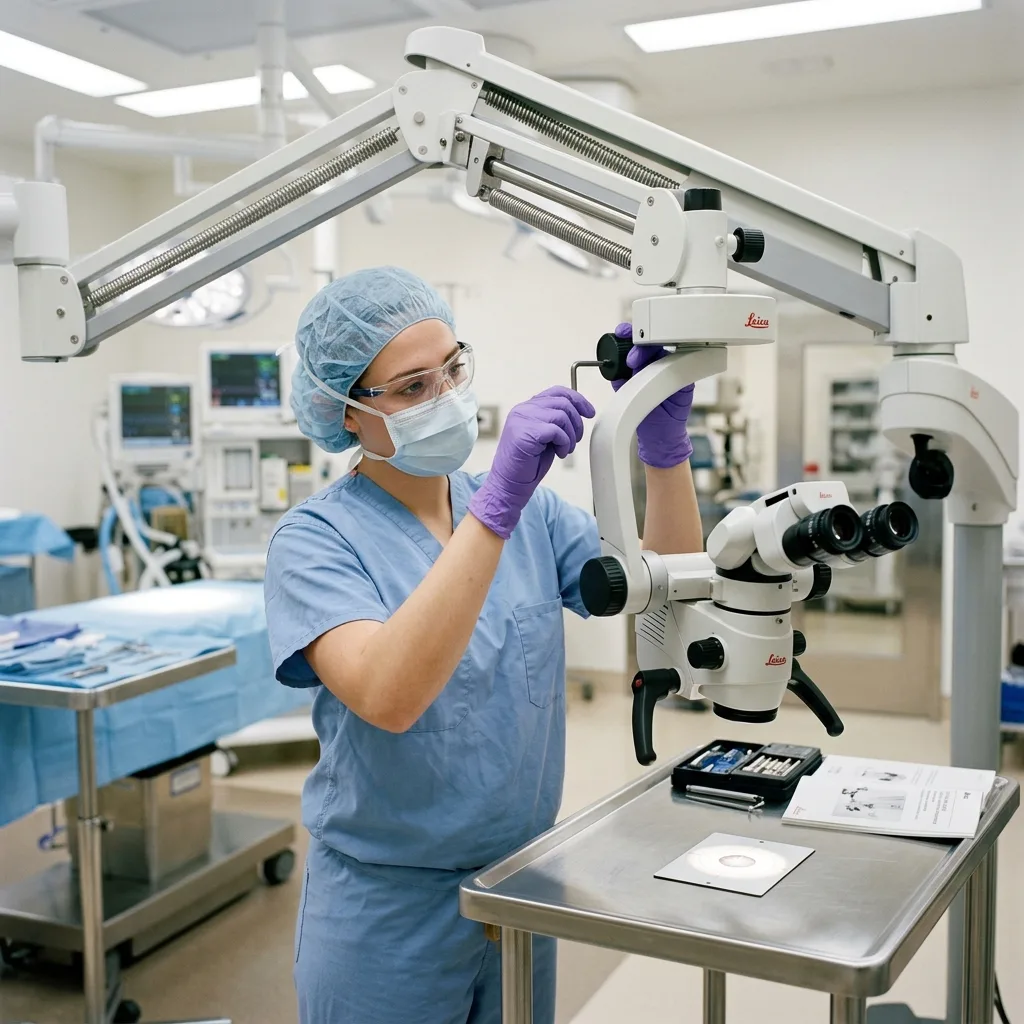
No. High-quality manufacturers like UMY Medical ship microscopes in partially assembled modules (e.g., the base, the vertical column, the suspension arm, and the optical head). A standard hospital biomedical engineering team can securely bolt the modules together, balance the optical head, and deploy the system within 1 to 2 hours using the provided technical manuals.
Q3: How do direct factory warranties compare to local dealer warranties?
Direct manufacturers typically offer comprehensive 1-to-2-year warranties covering the optical head, electronics, and LED illumination modules. Because you are dealing directly with the factory, replacement parts (such as a new circuit board or motor drive) are shipped directly via express courier without waiting for a local dealer to process intermediate claims.
Q4: Can UMY Medical supply specialized accessories like beam splitters and camera adapters later on?
Yes. UMY Medical surgical microscopes feature a modular, open-architecture design. Hospitals can purchase a base microscope today and order beam splitters, 4K digital camera adapters, or face-to-face assistant observation tubes years later as their clinical needs or budgets expand.
Q5: How can a hospital or distributor request a formal wholesale quotation?
Procurement directors, hospital purchasing committees, and B2B medical distributors can contact UMY Medical Equipment Co Ltd directly through their official international sales channels. You can submit your specific clinical requirements (e.g., dental vs. neurosurgery) to receive tailored equipment configurations, technical datasheets, and direct factory pricing.