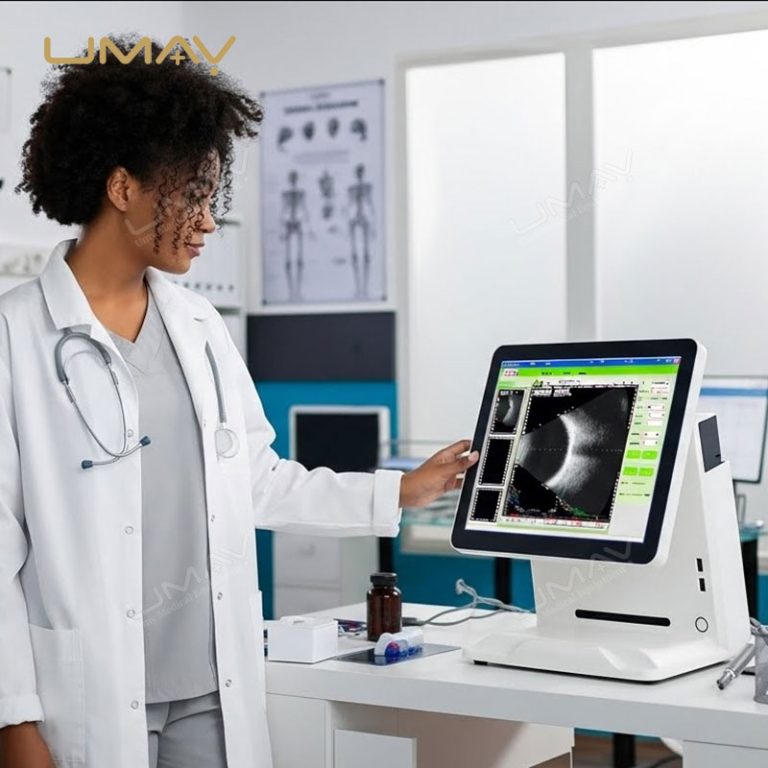
For hospital directors, gastroenterology department heads, and medical equipment procurement officers, acquiring non-invasive liver diagnostic solutions—commonly searched as FibroScan liver technology—is essential for modern hepatology and metabolic care. Transient Elastography (TE) and Controlled Attenuation Parameter (CAP) technologies have transformed liver disease management by offering rapid, painless quantification of liver fibrosis and steatosis (fatty liver) without the risks of invasive liver biopsies.
This 2026 buyer’s guide breaks down the core technical parameters, clinical workflow integration, financial ROI, and equipment selection criteria for healthcare procurement leaders.
Technical Overview: How Liver Elastography & Fat Quantification Work
Evaluating transient elastography and ultrasound attenuation devices requires an understanding of two fundamental diagnostic parameters:
| Diagnostic Parameter | Measurement Unit & Technology | Primary Clinical Function | Clinical Value |
| Liver Stiffness Measurement (LSM) | Kilopascals (kPa) via Transient Elastography | Assesses liver tissue elasticity / fibrosis staging (F0 to F4 Cirrhosis) | Replaces diagnostic liver biopsy; monitors chronic hepatitis B/C & NASH progression |
| Controlled Attenuation Parameter (CAP) / Attenuation Imaging | Decibels per meter (dB/m) via Ultrasonic Attenuation | Quantifies hepatic fat accumulation / steatosis grading (S0 to S3) | Identifies early-stage Non-Alcoholic Fatty Liver Disease (NAFLD/MASLD) |
Key Strategic Benefits for Hospitals and Outpatient Clinics
-
Non-Invasive & Patient-Friendly: Exam times take under 5–10 minutes with zero recovery time, eliminating patient hesitation associated with traditional needle biopsies.
-
High Patient Throughput: Fast diagnostic workflows allow hepatology and endocrinology clinics to screen 20–30+ patients daily per workstation.
-
Preventative Health & Screening Programs: Rapid fat and stiffness scoring allows health check-up centers to capture growing market demand for early metabolic syndrome screenings.
Recommended Diagnostic Equipment & Internal Linking Layout
To maximize ROI and clinic versatility, healthcare procurement managers often combine specialized elastography systems with multi-purpose color Doppler ultrasound platforms.
| Equipment Category | Clinical Scope | Primary Technical Advantages | Product Link / Specification |
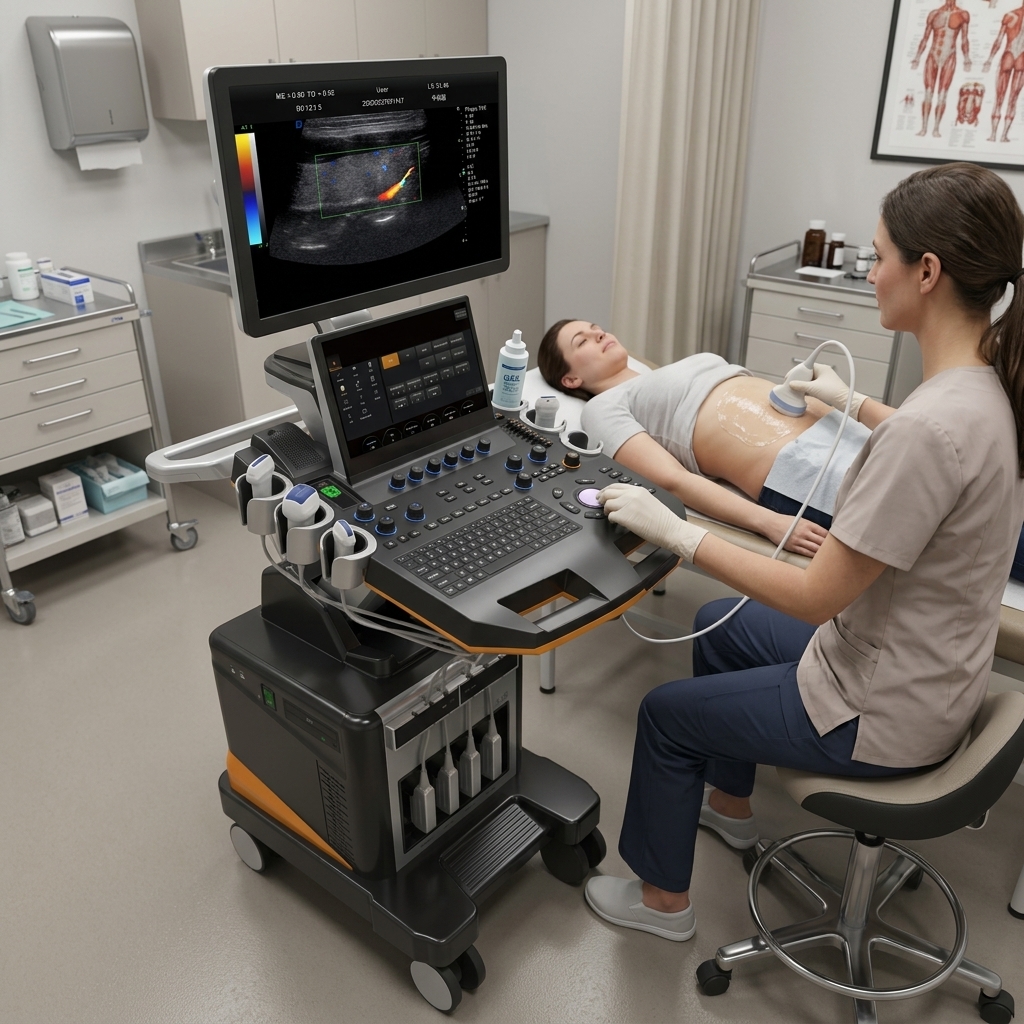
| Diagnostic Ultrasound Systems (Color Doppler) | Abdominal, vascular, liver shear wave elastography & general imaging | High-frequency transducers, intuitive workflow UI | Explore Diagnostic Ultrasound Systems |
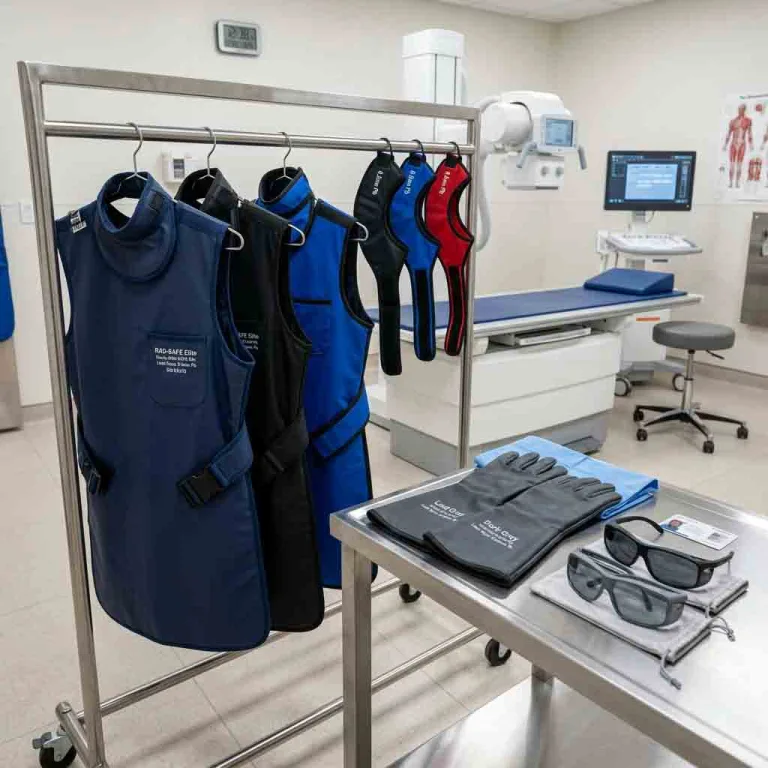
| General Radiography & Imaging Equipment | Comprehensive diagnostic hospital suites and digital radiology | High-frequency generators, CsI flat-panel detectors | View Digital Radiography (DR) Suites |
| Mobile & Portable Diagnostic Units | Point-of-care liver screening & bedside hospital triage | Compact battery-powered mobility, DICOM/PACS ready | Browse Portable Imaging Solutions |
Why Partner with UMY Medical for Diagnostic Ultrasound & Medical Equipment?
As a trusted global developer and OEM supplier of high-performance diagnostic devices, UMY Medical (www.umymedicalequip.com) delivers reliable imaging hardware tailored for modern medical facilities.
Why clinical executives and international medical distributors partner with UMY Medical:
-
Advanced Diagnostic Imaging Portfolio: From high-resolution color Doppler ultrasound platforms to versatile digital radiography suites, UMY Medical provides scalable diagnostic options for clinics of all sizes.
-
Exceptional Value & Direct Factory Pricing: Sourcing directly from UMY Medical helps health systems optimize capital expenditure (CapEx) while securing Tier-1 image quality and compliance certifications.
-
Full B2B Support & OEM Customization: UMY Medical backs global healthcare partners with comprehensive OEM/ODM options, international regulatory compliance assistance, robust warranties, and responsive post-sales technical service.
Frequently Asked Questions (FAQ)
Q1: What is the main difference between FibroScan (Transient Elastography) and standard Shear Wave Elastography (SWE)?
FibroScan uses dedicated Vibration-Controlled Transient Elastography (VCTE) with a mechanical piston to generate low-frequency shear waves for dedicated liver scoring. Shear Wave Elastography (SWE) is integrated directly into premium diagnostic ultrasound machines, allowing real-time B-mode anatomical visualization of the liver tissue while concurrently measuring tissue stiffness.
Q2: What liver stiffness (kPa) cutoff values indicate advanced fibrosis or cirrhosis?
While exact cutoffs vary by etiology (e.g., NAFLD vs. Hepatitis B), liver stiffness values under 6–7 kPa generally indicate normal tissue, while values exceeding 12–14 kPa suggest advanced fibrosis (F3) or compensated cirrhosis (F4).
Q3: How does a non-invasive liver elastography system improve facility ROI?
Given the rising global prevalence of fatty liver disease (MASLD/NAFLD), offering non-invasive liver stiffness and fat scoring attracts high patient volumes. Combined with low per-exam consumable costs, facilities typically recoup their capital investment within 6 to 12 months.
Request a Custom Equipment Quote Today
Looking to expand your clinic’s hepatology diagnostic capabilities or upgrade legacy ultrasound hardware?
Contact the UMY Medical sales engineering team today to request technical product brochures, PACS connectivity guidelines, and factory-direct B2B quotation packages.