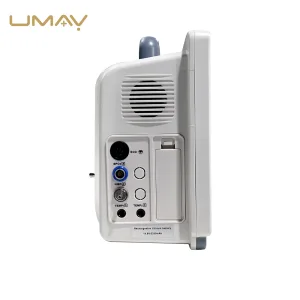



Depth of Anesthesia & Nociception Monitor | Multi-Parameter EEG Consciousness (qCON) & Pain Index (qNOX) System with Burst Suppression Ratio, Facial EMG Filter, Real-Time Waveform, & Disposable Sensor for Surgical OR & ICU Sedation
Redefine patient safety and drug titration accuracy in surgical suites with an advanced multi-parameter depth of anesthesia and nociception monitoring system. Purpose-built for general surgery theaters, cardiac operating rooms, neuro-intensive care units, and ambulatory sedation clinics, this electroencephalographic (EEG) monitor bridges the diagnostic gap between clinical perception and physiological brain activity. By continuously tracking both hypnotic depth and autonomic nociceptive responses, healthcare providers can prevent unintended awareness, reduce drug consumption, and accelerate postoperative cognitive recovery.
Quick Info.
- SKU NO.: UMPM024
- Device Classification: Class Ⅱ
- Warranty: 1 Year
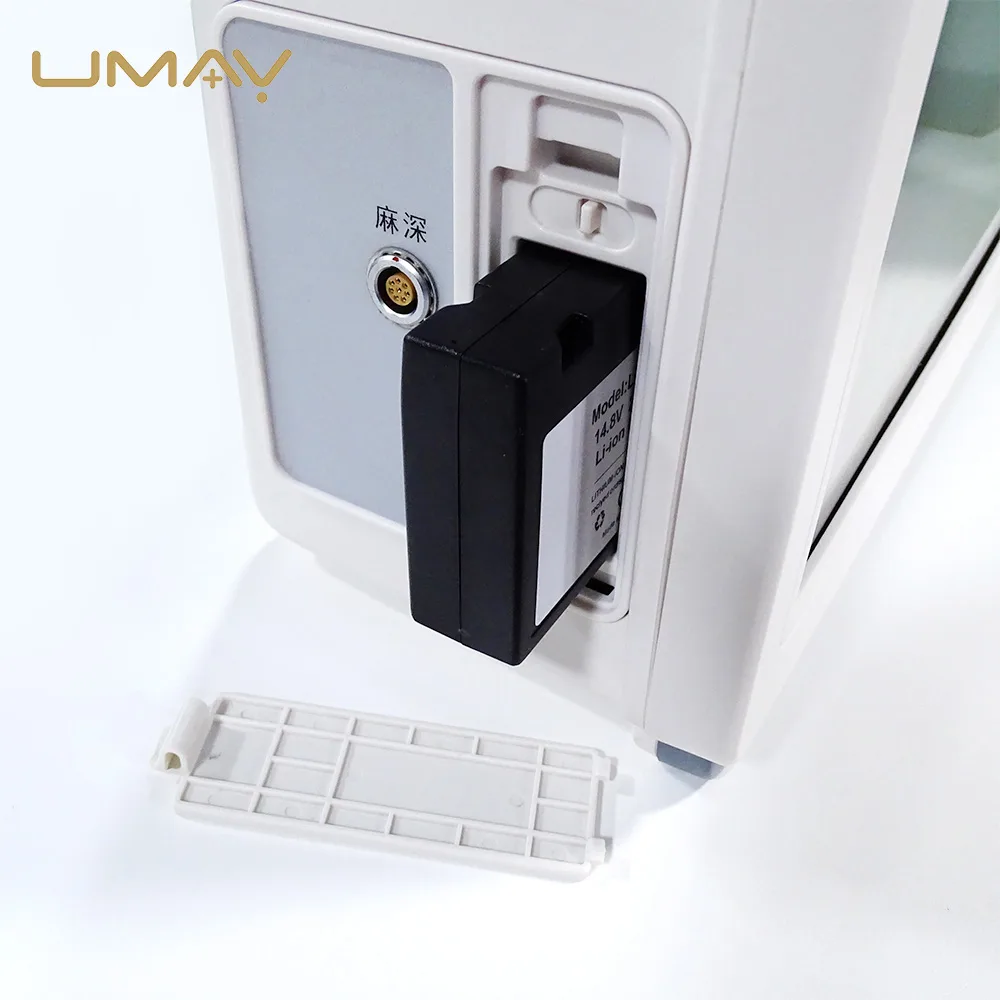
- Power Source: Electric
- Transport Package: Carton or Wooden Cases
- Origin: China
- Material: Metal, Plastic
- After-Sale Service: Online Technical Support
- Production Capacity: 5000 Sets/Year
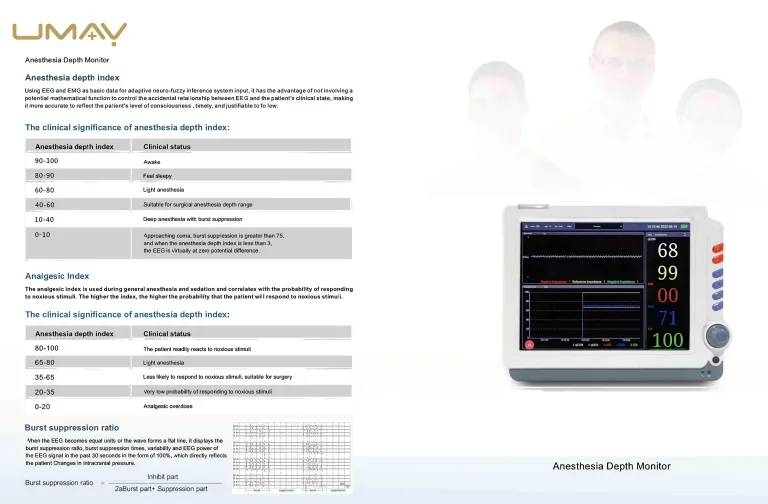
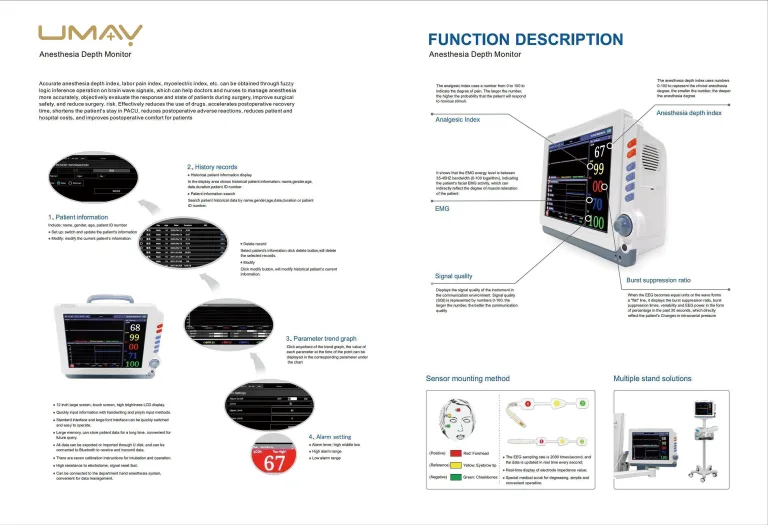
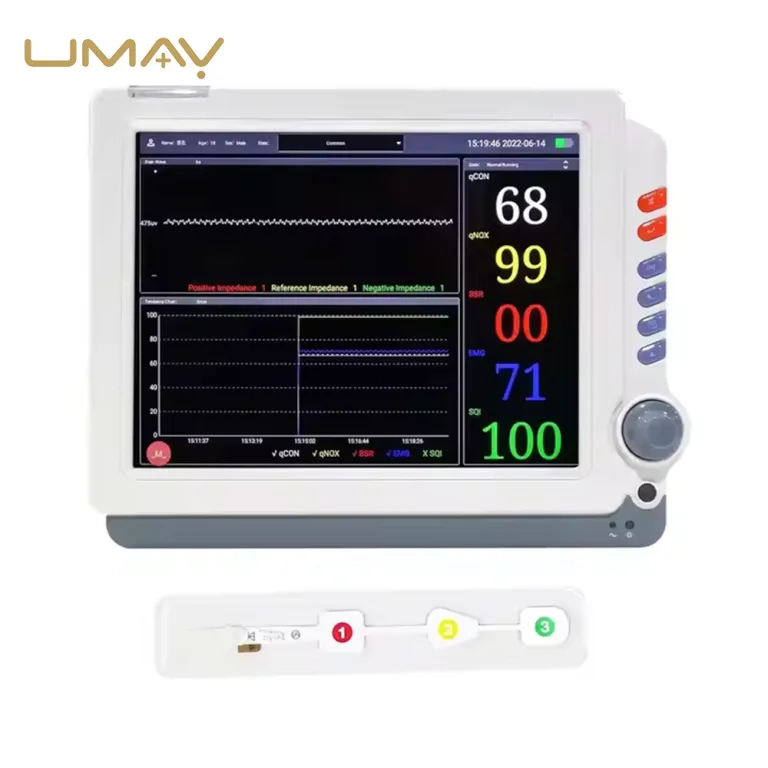
Engineered to eliminate intraoperative awareness and optimize drug delivery, this multi-parameter depth of anesthesia and nociception monitoring system provides continuous real-time assessment of patient consciousness (qCON) and pain-stimulus response (qNOX). Featuring advanced EEG signal processing, automatic electrosurgical artifact suppression, instant electrode impedance testing, and comprehensive burst suppression ratio (BSR) tracking, this clinical cerebral state monitor delivers precision sedation tracking for operating rooms, intensive care units, and day-surgery suites.
The Specific Parameters
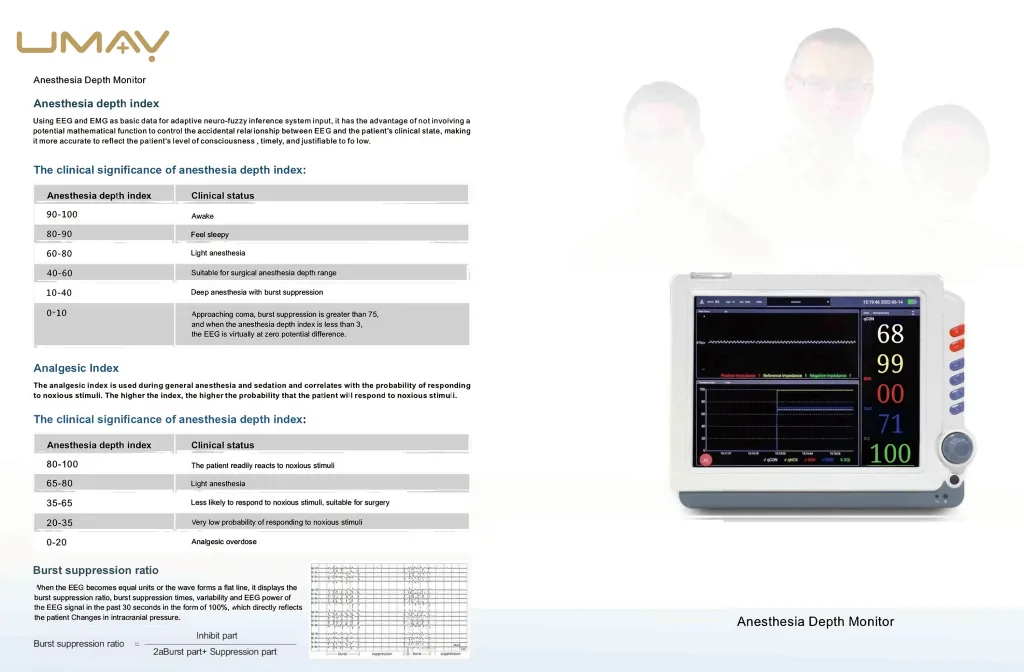
Clinical Engineering Advantages for Hospital Sourcing Networks:
-
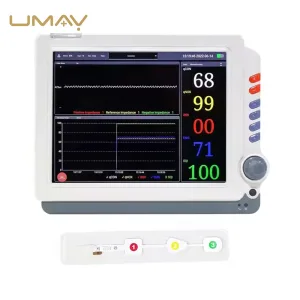
Dual-Target Patient Balance: Simultaneously evaluate hypnotic depth via the qCON index and nociception via the qNOX index, giving clinical teams real-time feedback to prevent hemodynamic instability caused by under-sedation or excess analgesia.
-
Intelligent Electro-Surgical Artifact Immunity: High-performance hardware filters actively isolate low-voltage cerebral potentials from electrocautery noise and motor artifacts, ensuring clean signal tracing throughout electro-surgical resection.
-
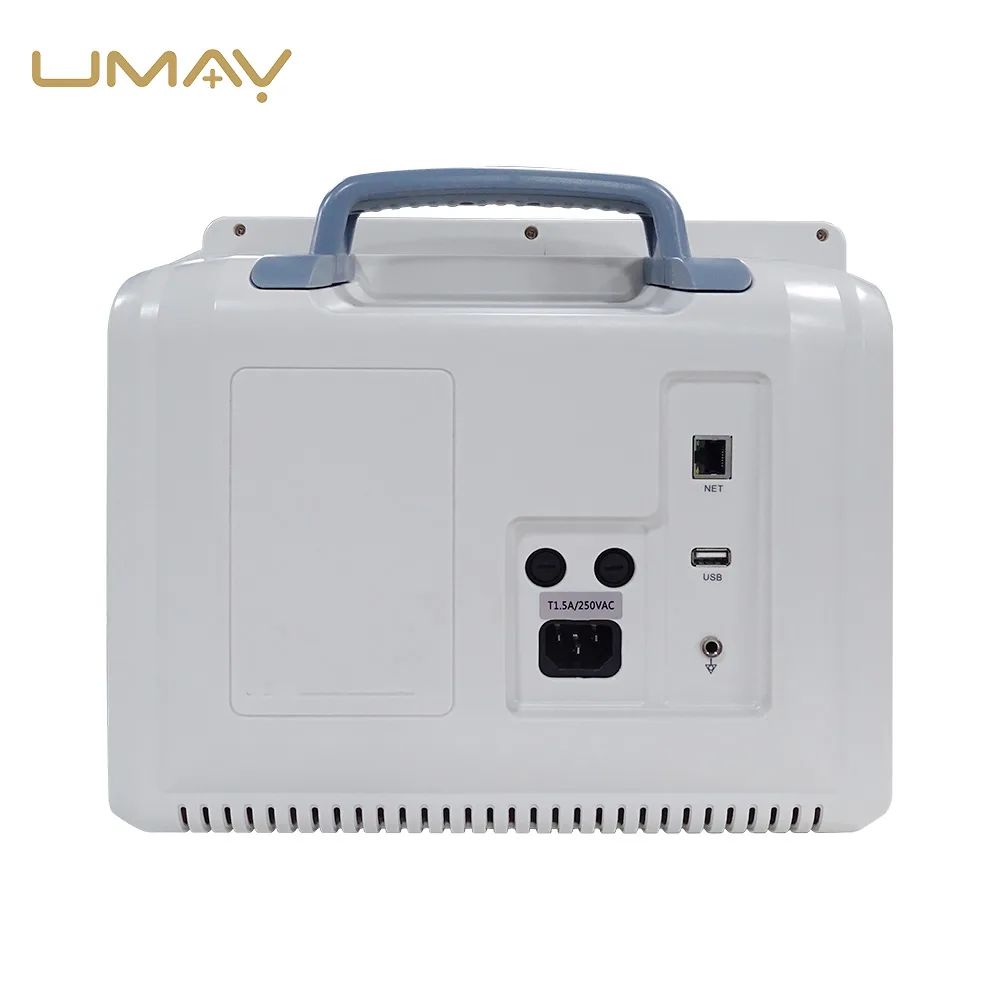
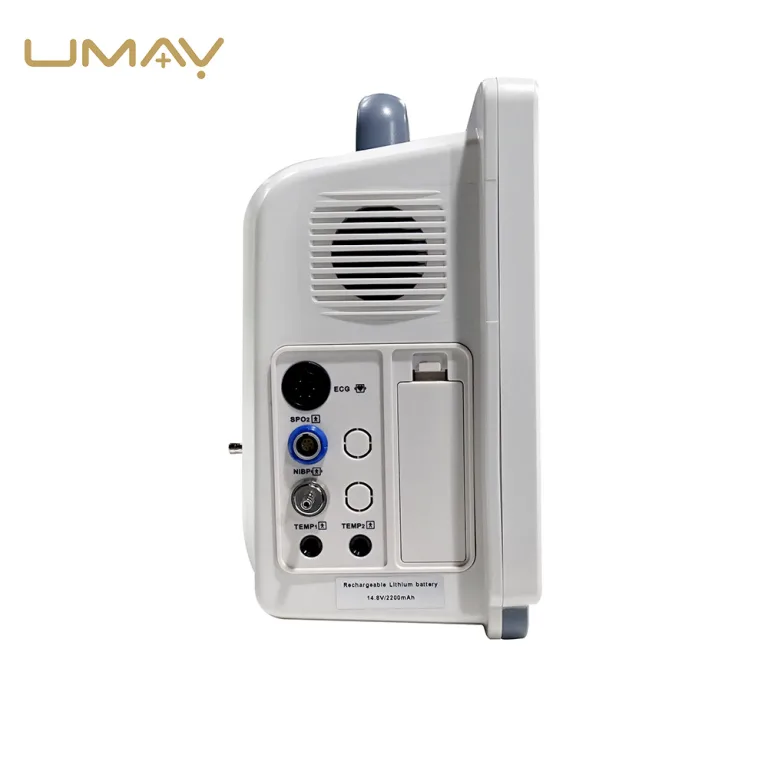
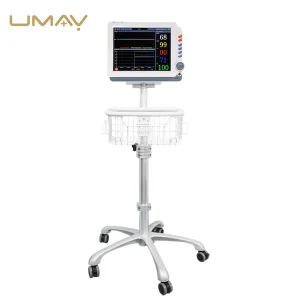
Compact Footprint for Agile Clinical Mobility: Seamlessly mounts to anesthesia machine rails, bedside IV poles, or mobile carts, offering an ergonomic rotary knob interface, dedicated silence keys, and prominent alarm indicators for fast-paced surgical environments.
Technical Specifications
| Technical Component | Standard Specification Attribute |
| Device Category | Depth of Anesthesia & Nociception Monitor |
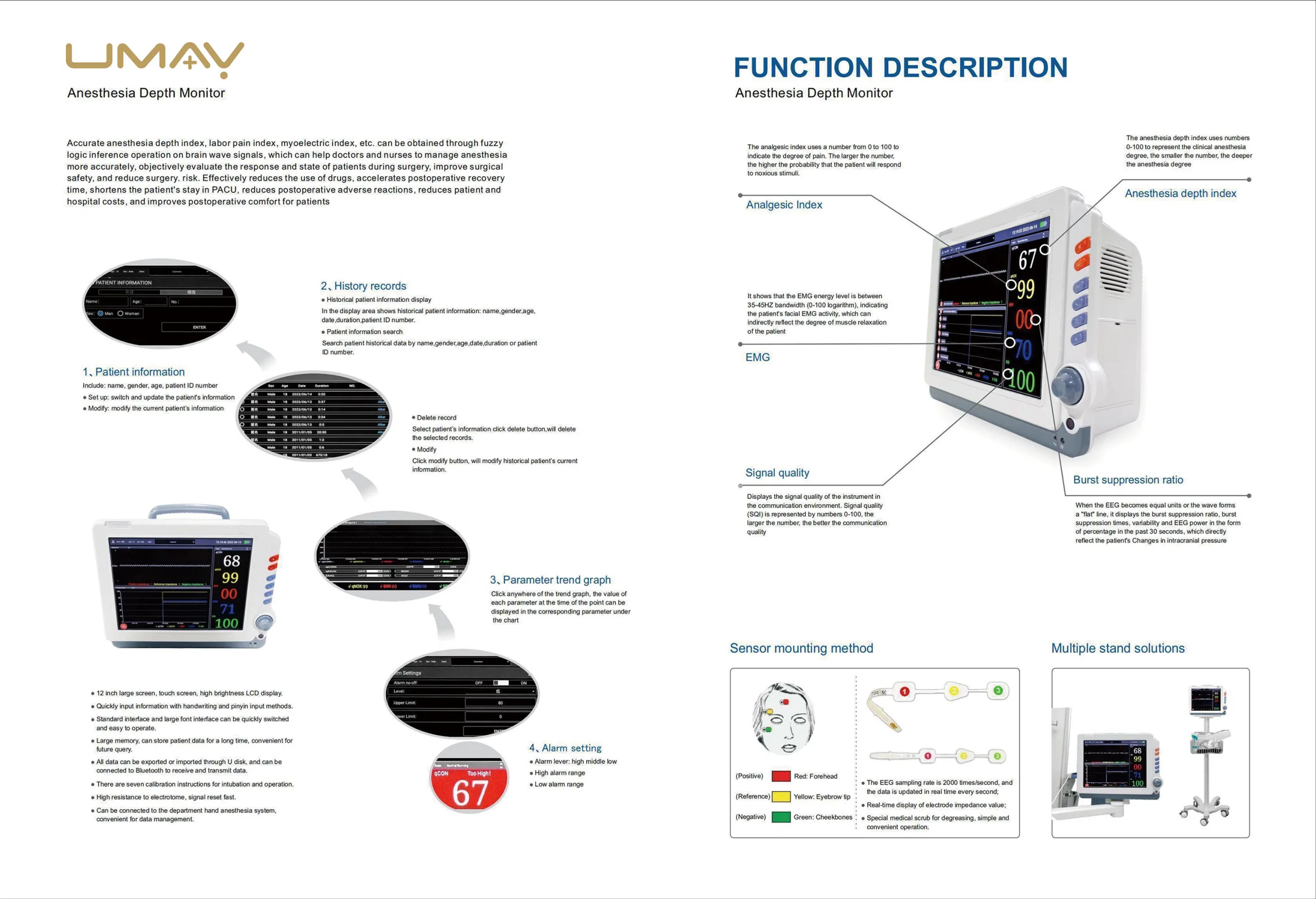
| Monitored Parameters | Depth of consciousness index (qCON: 0–99), nociceptive response index (qNOX: 0–99) |
| Auxiliary Metrics | Burst Suppression Ratio (BSR: 0–100%), Electromyographic Activity (EMG), Signal Quality Index (SQI) |
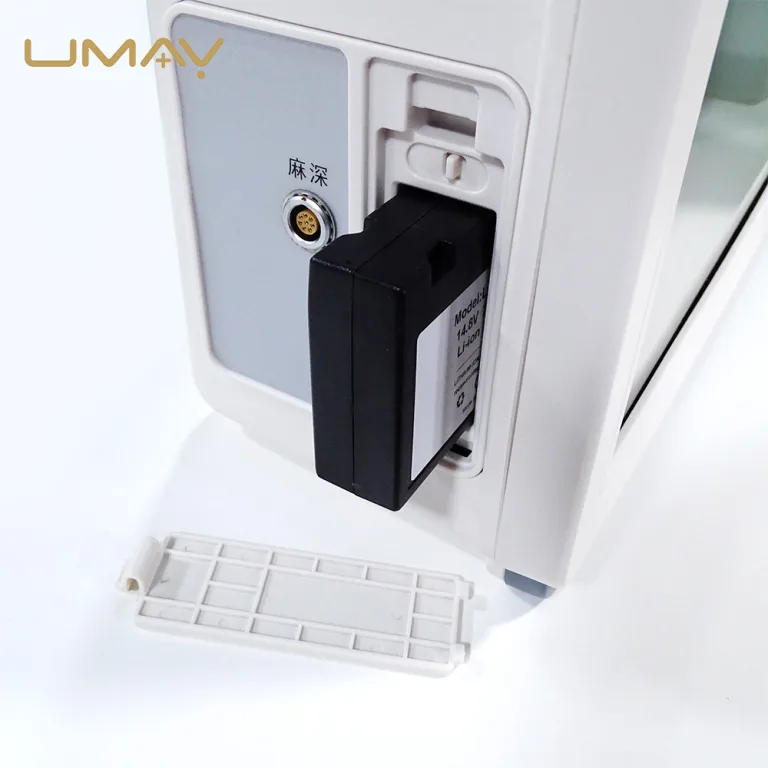
| Electrode Configuration | Disposable Forehead Sensor Strip |
| Noise Suppression | Automatic Impedance Check |
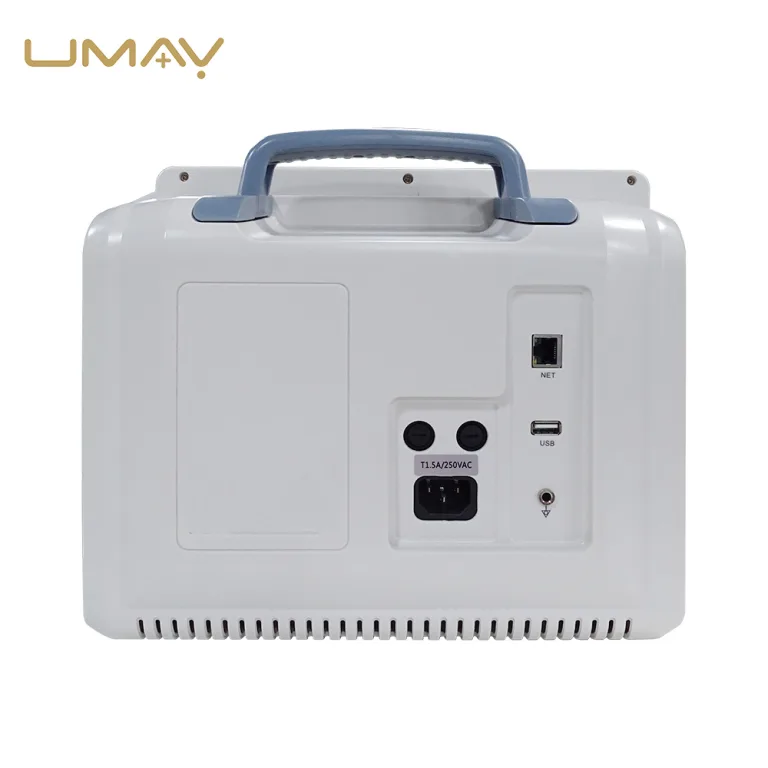
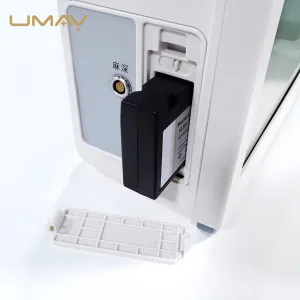
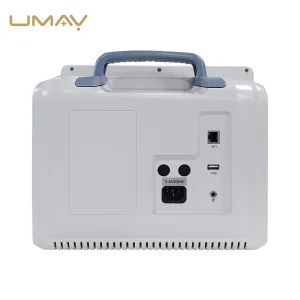
| Data Interoperability | Supports standard serial port, USB, and network port output; compatible with HL7 hospital information system integration. |
Q1: What is the clinical distinction between the qCON and qNOX monitoring indices?
A: The qCON index quantifies the depth of hypnosis and cerebral cortical sedation (patient consciousness level), helping clinicians prevent intraoperative awareness. The qNOX index measures subcortical response to nociceptive surgical stimuli and pain balance, allowing targeted titration of analgesic drugs (such as opioids) independently from hypnotic agents.
Q2: How does the system handle high-frequency electrosurgical unit (ESU) interference during surgery?
A: The monitor incorporates high common-mode rejection ratio (CMRR) input circuitry and dynamic digital filtering algorithms that recognize and suppress radiofrequency noise generated by electrocautery knives, preserving continuous raw EEG waveforms and accurate index calculations.
Q3: Are the disposable EEG forehead sensor strips cost-effective compared to traditional BIS sensors?
A: Yes. The forehead sensor strips utilize high-conductivity solid gel arrays engineered for high signal fidelity at a significantly lower manufacturing cost per unit compared to legacy market alternatives, drastically reducing recurring disposable expenses for high-volume surgical centers.
Q4: What OEM branding, custom software interfaces, and export certifications are available for distributors?
A: We offer full OEM/ODM cooperation, including custom casing logo printing, tailored software UI language packages, dedicated sensor connector customization, and comprehensive CE (MDR), ISO 13485, and electrical safety compliance test reports to facilitate rapid regulatory registration and customs import clearance.