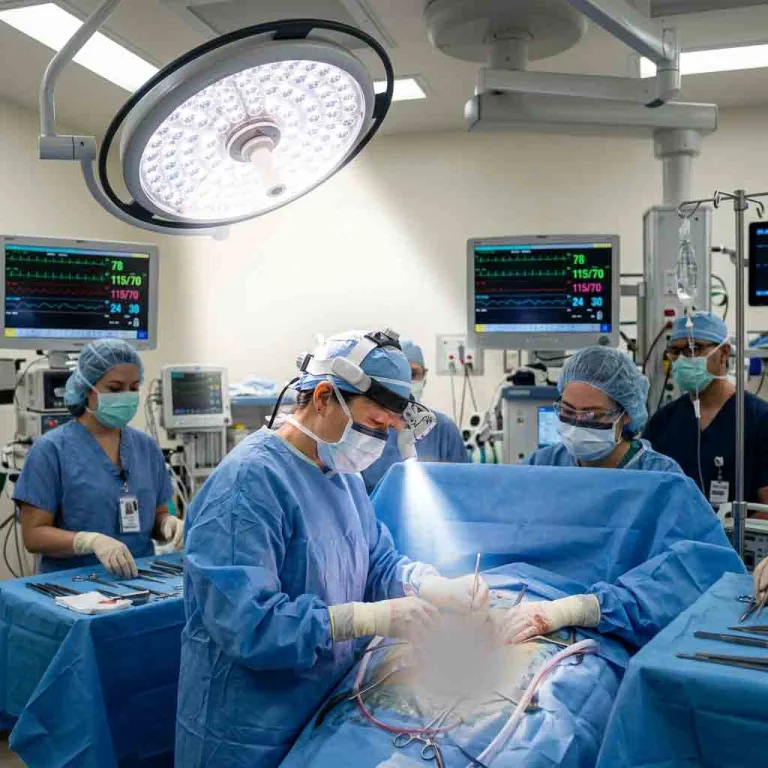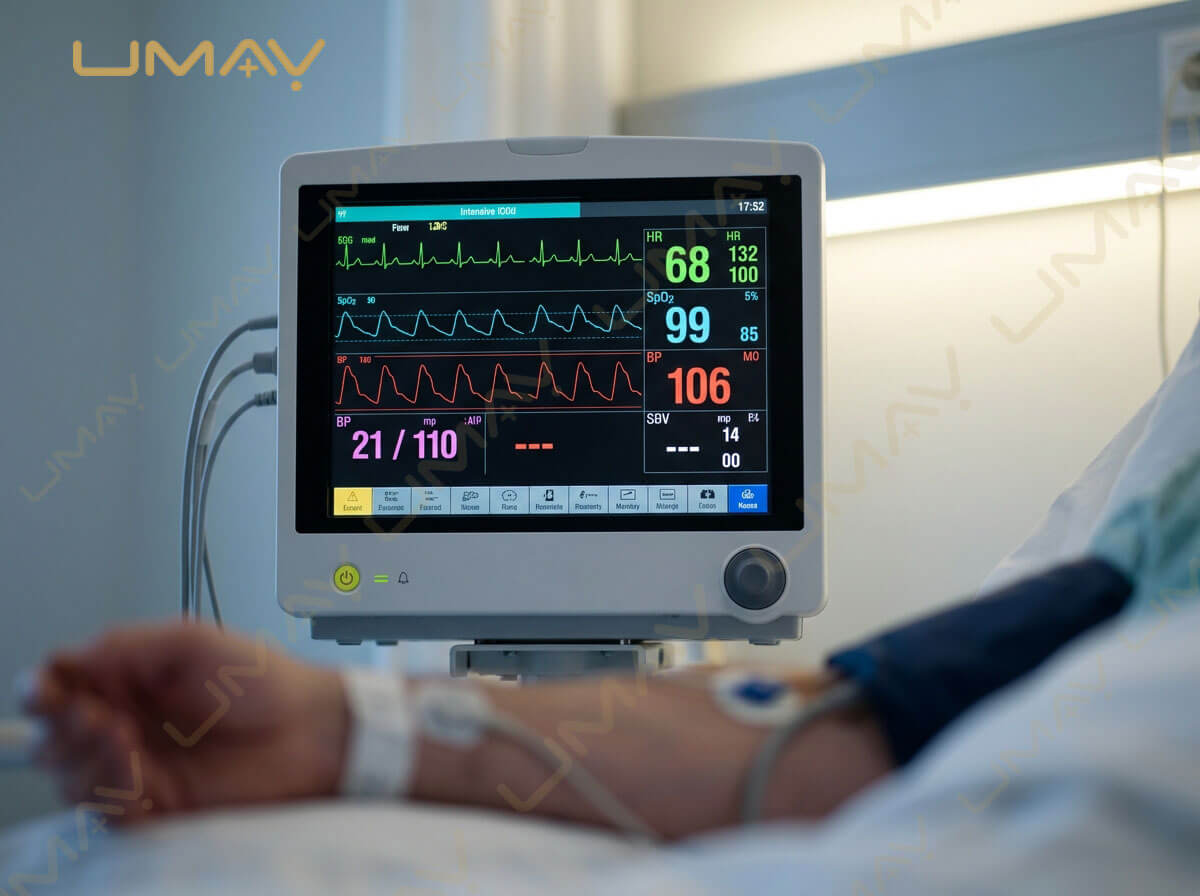
A patient monitor is an electronic medical device used to measure, display, and track important physiological information from a patient. Depending on the model and configuration, a patient monitor can measure parameters such as ECG, heart rate, SpO2, blood pressure, respiratory rate, temperature, IBP, and EtCO2.
Patient monitors are widely used in hospitals, clinics, intensive care units, emergency departments, operating rooms, recovery rooms, and other healthcare environments. They help healthcare professionals observe changes in a patient’s condition over time and provide visual or audible alarms when configured measurements move outside selected limits.
Modern patient monitoring equipment is available in many configurations. A basic vital signs monitor may focus on blood pressure, pulse rate, oxygen saturation, and temperature, while an advanced multiparameter patient monitor can support ECG, invasive blood pressure, respiratory monitoring, carbon dioxide monitoring, and other functions.
The right patient monitor depends on the patient type, clinical department, monitoring requirements, mobility needs, and required parameters.
WHO’s medical device database describes multiparameter patient monitors as systems designed to assess several physiological parameters, with applications ranging from general inpatient care to intensive care and emergency care.
What Is a Patient Monitor?
A patient monitor, also called a patient monitoring device, patient monitoring system, or physiological monitor, is medical equipment designed to continuously or intermittently monitor physiological parameters.
Unlike a single-purpose measuring device, a multiparameter patient monitor can combine several measurements into one system.
For example, a hospital bedside monitor may display:
- ECG
- Heart rate
- SpO2
- Pulse rate
- NIBP
- Respiratory rate
- Temperature
- IBP
- EtCO2
The exact configuration varies between models.
Some patient monitors are designed for general wards and routine observation. Others are designed for intensive care, anesthesia, emergency care, surgery, or patient transport.
A patient monitor normally receives signals through sensors, cables, cuffs, probes, or other accessories. The monitor processes the signals and displays numerical values, waveforms, trends, and alarms on the screen.
FDA-cleared patient monitoring systems can include combinations of ECG, SpO2, EtCO2, 12-lead ECG, and NIBP, showing how different parameter configurations can be integrated into one patient monitoring platform.
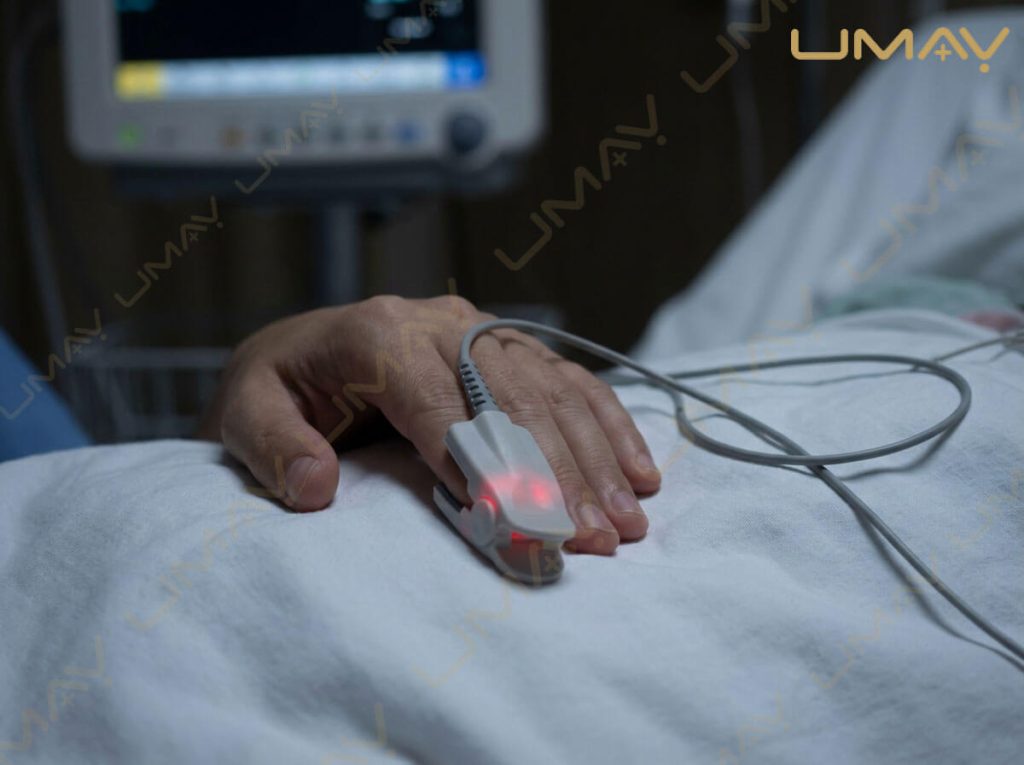
How Does a Patient Monitor Work?
The basic working process of a patient monitor is relatively simple:
Patient → Sensor or Probe → Signal Acquisition → Processing → Display → Alarm / Data Storage
First, sensors and accessories collect physiological signals from the patient.
For example:
- ECG electrodes collect electrical cardiac signals.
- An SpO2 sensor measures oxygen saturation and pulse rate.
- An NIBP cuff measures non-invasive blood pressure.
- A temperature probe measures body temperature.
- A respiratory sensor or ECG-derived signal can be used to calculate respiratory rate.
- An EtCO2 module measures exhaled carbon dioxide.
The monitor processes these signals and converts them into information that healthcare professionals can read on the display.
Depending on the system, the monitor may also provide:
- Real-time waveforms
- Numerical measurements
- Trend graphs
- Patient data storage
- Alarm notifications
- Parameter settings
- Data transmission
- Central monitoring
- Network connectivity
The purpose is not simply to show numbers. A patient monitoring system helps clinical staff observe physiological changes and respond according to the patient’s clinical condition.
What Does a Patient Monitor Measure?
One of the most common questions from new users and medical equipment buyers is:
What parameters does a patient monitor measure?
The answer depends on the model.
Common patient monitor parameters include:
1. ECG
ECG, or electrocardiography, records electrical activity of the heart.
ECG monitoring can provide information such as:
- Heart rate
- Cardiac rhythm
- ECG waveform
- Arrhythmia-related information
- ST segment information on supported systems
ECG monitoring is particularly common in intensive care, emergency care, operating rooms, and cardiac-related clinical environments.
2. SpO2
SpO2 refers to peripheral oxygen saturation.
An SpO2 sensor is commonly placed on a finger, toe, or another appropriate measurement site depending on the patient and sensor design.
Patient monitors commonly display:
- SpO2
- Pulse rate
- Plethysmographic waveform
SpO2 monitoring is widely used in hospitals, emergency departments, operating rooms, recovery areas, and general wards.
3. NIBP
NIBP means non-invasive blood pressure.
An inflatable blood pressure cuff is used to obtain measurements such as:
- Systolic blood pressure
- Diastolic blood pressure
- Mean arterial pressure
- Pulse rate
NIBP is one of the most common parameters on a vital signs monitor and multiparameter patient monitor.
4. IBP
IBP means invasive blood pressure.
IBP monitoring is used when continuous invasive pressure measurement is clinically required. It is more commonly associated with advanced patient monitors used in critical care and specialized environments.
Depending on the monitor configuration, multiple invasive pressure channels may be available.
5. Respiratory Rate
Respiratory rate, often shown as RESP or RR, represents the patient’s breathing rate.
Respiratory monitoring can be included in multiparameter patient monitoring systems and is commonly used together with ECG and SpO2.
6. Temperature
A patient monitor may support one or more temperature channels depending on the configuration.
Temperature monitoring can be useful in:
- Intensive care
- Operating rooms
- Recovery rooms
- General wards
- Emergency departments
7. EtCO2
EtCO2, or end-tidal carbon dioxide, measures carbon dioxide concentration at the end of exhalation.
EtCO2 monitoring is particularly relevant to anesthesia, critical care, emergency care, respiratory monitoring, and selected procedural environments.
Some patient monitors can combine EtCO2 with respiratory rate and waveform display.
Main Types of Patient Monitors
There is no single patient monitor that fits every clinical environment.
Different hospitals and departments require different monitoring configurations.
The main categories include:
- Vital signs monitors
- Multiparameter patient monitors
- Bedside patient monitors
- ICU patient monitors
- Transport patient monitors
- Portable patient monitors
- Central monitoring systems
- Specialty monitoring systems
The exact classification can vary by manufacturer and market, and some devices can fit into more than one category.
1. Vital Signs Monitor
A vital signs monitor is generally designed to measure basic physiological parameters.
Depending on the model, it may measure:
- NIBP
- SpO2
- Pulse rate
- Temperature
- Respiratory rate
Vital signs monitors are commonly used in:
- General wards
- Clinics
- Outpatient departments
- Primary care facilities
- Examination rooms
- Recovery areas
They are often designed with a simple interface and straightforward operation.
For facilities that do not require advanced ECG, IBP, or EtCO2 monitoring, a basic vital signs monitor may provide an appropriate configuration.
2. Multiparameter Patient Monitor
A multiparameter patient monitor combines several physiological measurements in one device.
A common configuration may include:
ECG + SpO2 + NIBP + RESP + TEMP
More advanced models may add:
IBP + EtCO2 + additional temperature channels + cardiac output or other modules
WHO’s MEDEVIS database describes advanced multiparameter patient monitors as physiological monitoring systems that can include ECG, capnography, SpO2, and blood pressure, while general-purpose bedside monitors may support a wider range of physiological parameters.
The main advantage of a multiparameter monitor is flexibility.
Instead of using several separate devices, healthcare professionals can observe multiple parameters from one screen.
3. Bedside Patient Monitor
A bedside patient monitor is designed to be placed near the patient’s bed.
It is commonly used in:
- ICU
- CCU
- General wards
- Emergency departments
- Operating rooms
- Recovery rooms
A bedside monitor can provide continuous monitoring and may support multiple parameter configurations.
Typical features can include:
- Large display
- ECG waveform
- SpO2 waveform
- NIBP measurements
- Respiratory rate
- Temperature
- Alarm functions
- Trend review
- Data storage
- Network connectivity
The exact functions depend on the model.
4. ICU Patient Monitor
An ICU patient monitor is designed for environments where patients may require more comprehensive and continuous physiological monitoring.
ICU monitoring may involve:
- ECG
- Heart rate
- SpO2
- NIBP
- IBP
- Respiratory rate
- Temperature
- EtCO2
- Arrhythmia analysis
- ST segment analysis
- Trends and historical data
Not every ICU patient requires every available parameter.
Therefore, hospitals should select the configuration according to their clinical workflow and patient population.
Advanced ICU monitoring systems may also connect with a central monitoring station, allowing staff to observe multiple patients from a centralized location.
5. Transport Patient Monitor
A transport patient monitor is designed for patient movement.
Patients may need monitoring while being transferred:
- From ICU to CT
- From emergency to operating room
- Between hospital departments
- From one ward to another
- During ambulance transport
- During other clinical transfers
Transport monitors are generally designed to be smaller and battery-powered.
Important considerations include:
- Portability
- Battery operation
- Weight
- Display visibility
- Durability
- Required parameters
- Alarm functions
- Ease of operation
WHO’s MEDEVIS database separately identifies transportable and portable multiparameter patient monitors for clinical settings including emergency care, inpatient care, intensive care, and pre-hospital care.
6. Portable Patient Monitor
A portable patient monitor is designed to make patient monitoring easier when the equipment needs to be moved.
Portable monitoring equipment can be useful in:
- Emergency departments
- Ambulances
- Patient transport
- Temporary treatment areas
- Mobile medical services
- Different hospital departments
Portability can be especially important when a hospital needs to monitor patients outside a fixed bedside location.
A portable patient monitor may still provide multiple parameters, depending on its configuration.
7. Central Patient Monitoring System
A central monitoring system connects multiple bedside monitors to a central station.
Instead of viewing only one patient at one bedside, clinical staff can review information from multiple connected patients at a central location.
A central monitoring system may provide:
- Multiple patient views
- ECG waveforms
- Vital signs
- Alarm information
- Trends
- Historical data
- Patient information
- Network communication
Central monitoring can be useful in intensive care units, telemetry areas, and other departments where several patients require continuous observation.
Modern hospital monitoring systems increasingly consider connectivity and integration alongside the monitor itself.
Patient Monitor by Clinical Application
Patient monitors are used in many areas of healthcare.
Patient Monitor for ICU
ICU patient monitors usually require a broader parameter range and continuous monitoring capabilities.
Typical parameters can include:
- ECG
- SpO2
- NIBP
- IBP
- RESP
- TEMP
- EtCO2
Additional features may include arrhythmia monitoring, ST analysis, trends, alarms, and central monitoring connectivity.
Patient Monitor for Emergency Department
Emergency departments often need flexible monitoring.
Patients can have different levels of clinical needs, so emergency monitors may support:
- ECG
- SpO2
- NIBP
- RESP
- TEMP
- EtCO2
Portable or transportable designs can also be useful.
Patient Monitor for Operating Room
Operating rooms require monitoring during procedures and anesthesia.
Depending on the clinical application, an OR patient monitor may support:
- ECG
- SpO2
- NIBP
- IBP
- EtCO2
- Temperature
- Respiratory parameters
The required configuration should match the anesthesia and surgical workflow.
Patient Monitor for General Ward
General wards may use simpler configurations.
Common requirements include:
- NIBP
- SpO2
- Pulse rate
- Temperature
- Respiratory rate
Some wards may require continuous ECG monitoring depending on patient needs.
Patient Monitor for Recovery Room
Recovery areas may use patient monitors to observe patients after surgery or procedures.
Common monitoring parameters include:
- SpO2
- NIBP
- ECG
- Heart rate
- Respiratory rate
- Temperature
Neonatal and Pediatric Patient Monitoring
Patient monitors may also be configured for:
- Neonatal patients
- Pediatric patients
- Adult patients
The appropriate sensors, cuffs, accessories, alarm settings, and parameter configurations should match the intended patient population.
3-Parameter, 5-Parameter and Multiparameter Patient Monitor
Medical equipment buyers often search for terms such as:
3 parameter patient monitor
5 parameter patient monitor
6 parameter patient monitor
multiparameter patient monitor
The exact meaning of the number can vary by manufacturer and product configuration, so buyers should always check the technical specification rather than relying only on the product name.
A common 5-parameter configuration may include:
- ECG
- SpO2
- NIBP
- RESP
- TEMP
An advanced monitor may add:
- IBP
- EtCO2
- Additional temperature channels
- Other optional modules
The important question is not simply “How many parameters does the monitor have?”
Instead, buyers should ask:
Which parameters does the hospital actually need?
What Are the Main Functions of a Patient Monitor?
A modern patient monitor can provide several functions beyond displaying basic numbers.
Real-Time Monitoring
The monitor can display physiological measurements and waveforms in real time.
Alarm Function
Patient monitors can provide visual and/or audible alarms when configured values exceed preset limits.
Trend Monitoring
Trend graphs allow healthcare professionals to review changes in parameters over a period of time.
Data Storage
Depending on the model, patient data and measurement results may be stored for later review.
Waveform Display
ECG, SpO2, RESP, and other waveforms may be displayed according to the monitor configuration.
Network Connectivity
Some hospital monitors can connect to central monitoring systems or other hospital information technologies.
Patient Data Management
Advanced systems may support patient identification, data review, trend analysis, and communication with connected systems.
Patient Monitor Accessories
A patient monitor is not only the main screen.
Accessories are an important part of the complete patient monitoring system.
Common accessories include:
- ECG cable
- ECG electrodes
- SpO2 sensor
- NIBP cuff
- Temperature probe
- IBP cable
- IBP transducer
- EtCO2 sampling accessories
- Power cable
- Battery
- Mounting bracket
- Mobile trolley
- Wall mount
- Bed rail mount
Different patient groups require different accessories.
For example, an adult NIBP cuff is not necessarily appropriate for a pediatric or neonatal patient.
Hospitals should therefore check accessory compatibility when purchasing patient monitoring equipment.
Bedside Patient Monitor vs Portable Patient Monitor
The choice between a bedside monitor and portable monitor depends largely on how the device will be used.
| Feature | Bedside Patient Monitor | Portable / Transport Monitor |
|---|---|---|
| Main use | Fixed patient location | Patient movement |
| Display | Usually larger | Usually compact |
| Battery | Often available | Important |
| Portability | Limited | High |
| ICU use | Common | Common for transport |
| Ward use | Common | Depends on workflow |
| Transport | Limited | Designed for transport |
| Parameters | Basic to advanced | Basic to advanced depending on model |
A hospital may need both types.
For example, a patient can use a bedside monitor in the ICU and then use a transport monitor while moving to another department.
Patient Monitor vs Vital Signs Monitor
These two terms are sometimes used interchangeably, but they can describe different product categories.
A vital signs monitor generally focuses on basic physiological measurements such as:
- NIBP
- SpO2
- Pulse rate
- Temperature
- Respiratory rate
A multiparameter patient monitor can support a broader set of measurements, such as:
- ECG
- SpO2
- NIBP
- RESP
- TEMP
- IBP
- EtCO2
The actual configuration varies by manufacturer.
For procurement, it is better to compare the actual parameter list and specifications instead of comparing product names alone.
How to Choose a Patient Monitor?
For hospitals, clinics, distributors, and medical equipment buyers, the following questions can help define the right patient monitor.
1. What patient type will be monitored?
Consider:
- Adult
- Pediatric
- Neonatal
2. Where will the monitor be used?
For example:
- ICU
- Emergency room
- Operating room
- General ward
- Recovery room
- Clinic
- Ambulance
- Patient transport
3. Which parameters are required?
Start with the clinical requirements.
Do you need:
- ECG?
- SpO2?
- NIBP?
- RESP?
- TEMP?
- IBP?
- EtCO2?
4. Is portability important?
If the patient frequently moves between departments, consider a portable or transport patient monitor.
5. Is central monitoring required?
For larger departments, a central patient monitoring system may be useful.
6. What accessories are required?
Check:
- ECG cables
- SpO2 sensors
- NIBP cuffs
- Temperature probes
- IBP accessories
- EtCO2 accessories
- Batteries
7. What type of technical support is available?
For B2B medical equipment purchasing, buyers should also consider:
- Product training
- Installation support
- Technical documentation
- Warranty
- Spare parts
- Accessories
- After-sales service
- Software updates where applicable
Patient Monitor for Hospitals and Medical Equipment Procurement
For hospital procurement teams, choosing patient monitoring equipment should be based on the complete workflow rather than the monitor price alone.
A lower-cost monitor may be suitable for a general ward, while an ICU may require a more comprehensive configuration.
Procurement teams should compare:
- Monitoring parameters
- Measurement technologies
- Screen size
- User interface
- Alarm functions
- Data storage
- Connectivity
- Battery capacity
- Accessories
- Patient categories
- Installation requirements
- Maintenance requirements
- Warranty
- Spare parts availability
- Supplier technical support
Recent procurement guidance also emphasizes parameter selection, networking, alarm management, consumables, and fleet planning as important considerations when selecting patient monitors.
Frequently Asked Questions About Patient Monitors
What is a patient monitor?
A patient monitor is a medical device used to measure and display physiological parameters such as ECG, heart rate, SpO2, blood pressure, respiratory rate, and temperature.
What does a multiparameter patient monitor measure?
Depending on the configuration, it can measure ECG, SpO2, NIBP, RESP, temperature, IBP, EtCO2, and other physiological parameters.
What is a bedside patient monitor?
A bedside patient monitor is designed to be placed near a patient’s bed for continuous or intermittent monitoring.
What is an ICU patient monitor?
An ICU patient monitor is generally configured for intensive care environments where patients may require continuous and more comprehensive physiological monitoring.
What is a vital signs monitor?
A vital signs monitor is generally designed to measure basic vital signs such as blood pressure, SpO2, pulse rate, temperature, and respiratory rate.
What is an ECG patient monitor?
An ECG patient monitor includes ECG monitoring to display cardiac electrical activity and related heart rate information.
What is an SpO2 patient monitor?
An SpO2 patient monitor uses an oxygen saturation sensor to monitor SpO2 and pulse rate.
What is an NIBP patient monitor?
An NIBP patient monitor uses a non-invasive blood pressure cuff to measure blood pressure.
What is a transport patient monitor?
A transport patient monitor is designed for monitoring patients while they are being moved between locations.
Can a patient monitor measure temperature?
Yes. Many patient monitors support temperature monitoring, depending on the model and configuration.
Can a patient monitor measure EtCO2?
Some advanced multiparameter patient monitors support EtCO2 monitoring.
What is a 5-parameter patient monitor?
The term usually refers to a monitor with five primary monitoring parameters, but the exact parameter combination should be confirmed in the manufacturer’s specifications.
What is a multiparameter monitor?
A multiparameter monitor combines several physiological measurements in one medical device.
Can patient monitors connect to a central station?
Many hospital patient monitoring systems support connection to central monitoring stations, but connectivity depends on the monitor and system architecture.
Conclusion
A patient monitor is an important part of modern medical monitoring equipment. From basic vital signs monitoring to advanced ICU monitoring, different patient monitor configurations are designed for different clinical environments.
The most common parameters include ECG, SpO2, NIBP, heart rate, pulse rate, respiratory rate, temperature, IBP, and EtCO2.
For general wards and clinics, a basic vital signs monitor may be sufficient. For emergency care, operating rooms, and intensive care, a multiparameter patient monitor can provide a broader range of monitoring functions. Portable and transport patient monitors are useful when patients need to be monitored while moving between departments.
For hospitals and medical equipment buyers, the right choice should be based on patient type, clinical application, monitoring parameters, portability, connectivity, accessories, technical support, and long-term maintenance requirements.
Understanding these differences is the first step toward selecting the right patient monitoring system for a healthcare facility.
For more detailed information, the next topics to explore are patient monitor parameters, including ECG, SpO2, NIBP, IBP, EtCO2, RESP, and temperature monitoring, followed by patient monitor applications in ICU, emergency, operating room, and general ward environments.