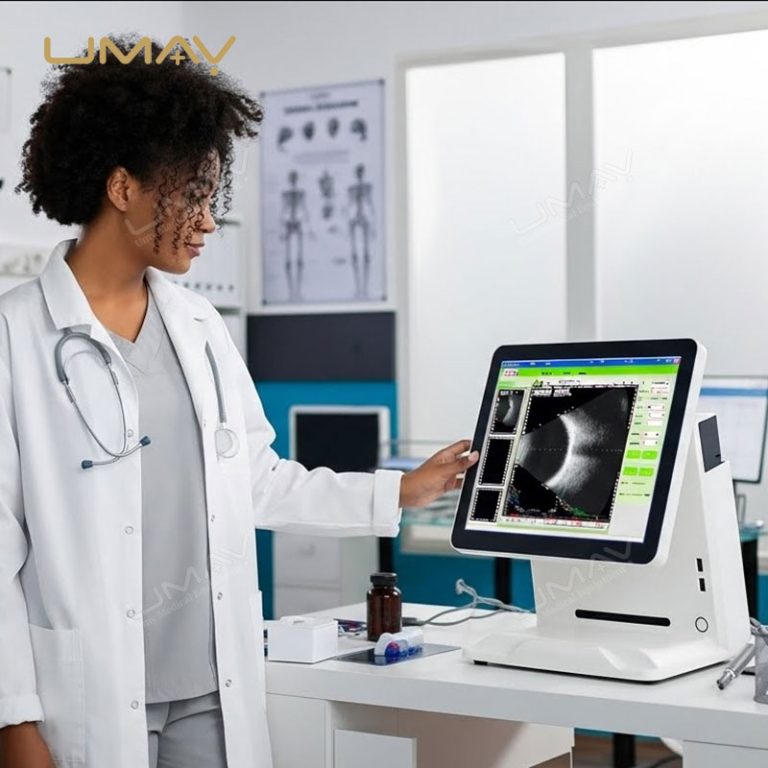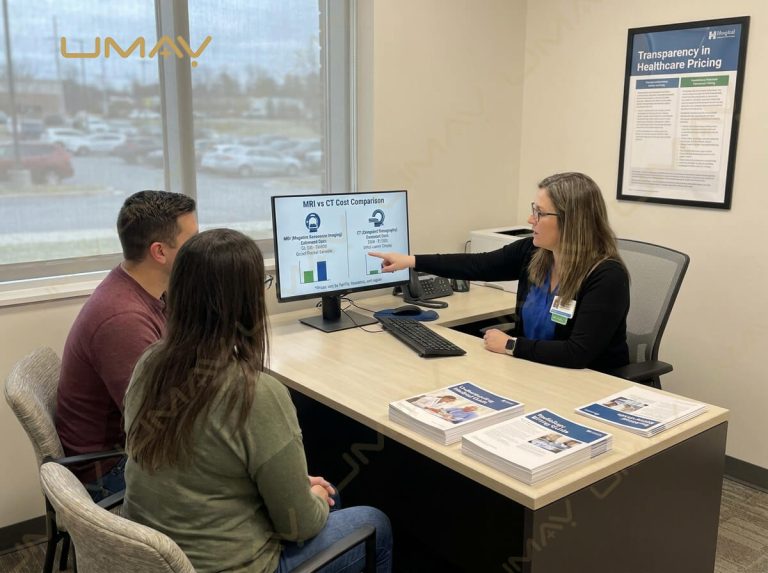

For hospital administrators, radiology department heads, and healthcare procurement directors, CT scan turnaround time (TAT)—the time elapsed from scan completion to a clinician receiving the finalized radiology report—is a primary metric for operational efficiency and patient care quality.
While diagnostic CT images are generated within seconds, the timeframe for a doctor to receive the official report varies significantly depending on clinical urgency, PACS/RIS integration, and radiologist availability.
This 2026 operational guide breaks down standard CT result timeframes, bottleneck factors, and how modern CT equipment and DICOM infrastructure optimize hospital imaging workflows.
Standard Timelines: How Fast Are CT Scan Results Delivered?
The operational turnaround time for CT scan results typically falls into three clinical categories:
| Clinical Priority | Average Result Timeframe | Primary Clinical Scenarios | Key Operational Drivers |
| STAT / Emergency | 15 to 60 Minutes | Acute trauma, stroke protocols, pulmonary embolism, active internal bleeding | Triage flagging, immediate teleradiology over-read, automated AI detection |
| Inpatient Routine | 2 to 12 Hours | Ward consultations, post-operative monitoring, acute infection checks | Batch radiologist reading shifts, hospital-wide PACS routing |
| Outpatient Elective | 24 to 48 Hours | Oncology staging, routine follow-ups, elective orthopedic imaging | Standard reporting queues, patient portal integration, primary care notification |
Key Factors Influencing CT Scan Result Speed
When healthcare managers evaluate CT scanners and imaging infrastructure, three major operational bottlenecks dictate result delivery speeds:
1. Imaging System Processing & Reconstruction
Modern multi-slice CT scanners equipped with high-speed tube rotation and GPU-driven reconstruction algorithms generate DICOM series in seconds, allowing technologists to verify image quality and send data to the PACS server instantly.
2. RIS/PACS Connectivity & AI Triage
Seamless integration between the CT scanner, Radiology Information System (RIS), and Picture Archiving and Communication System (PACS) is critical. Advanced AI algorithms automatically analyze raw DICOM data to flag life-threatening conditions (e.g., intracranial hemorrhage), moving critical scans to the top of the radiologist’s queue.
3. Teleradiology & Radiologist Workload
The global shortage of radiologists makes teleradiology integration essential. Automated cloud transmission enables off-site radiologists to access CT scans 24/7, drastically reducing overnight emergency turnaround times.
Equipment Selection: Recommended Diagnostic Imaging Platforms
Optimizing CT scan turnaround time requires reliable imaging hardware backed by high-speed digital workflows. Procurement managers can explore high-performance imaging equipment suited for varied clinical workloads:
| Equipment Category | Clinical Application Scope | Key Technical Advantages | |
| General Digital Radiography (DR) Suites | High-throughput hospital chest & skeletal diagnostic imaging | ||
| 3D CBCT & Specialized CT Platforms | Maxillofacial, head & neck, and orthopedic volumetric imaging | Sub-millimeter slice resolution, ultra-low radiation dose | |
| Mobile & Portable Diagnostic Imaging | ICU bedside triage and emergency department rapid diagnostics | Battery-powered mobility, instantaneous PACS image transfer |
Why Partner with UMY Medical for Radiology & Imaging Solutions?|
As a globally recognized developer and OEM manufacturer of diagnostic imaging technology, UMY Medical (www.umymedicalequip.com) delivers high-performance imaging platforms engineered for efficient hospital workflows.
Why healthcare procurement teams and international equipment distributors partner with UMY Medical:
-
Seamless PACS & DICOM Compatibility: All UMY Medical diagnostic systems feature full DICOM 3.0 compliance, ensuring rapid network transmission to hospital PACS/RIS platforms for minimal reporting delays.
-
Exceptional Image Quality & Value: Built with high-efficiency detectors and advanced image processing software, UMY Medical units combine Tier-1 diagnostic clarity with competitive factory-direct wholesale pricing.
-
Comprehensive Global Service & B2B Support: UMY Medical offers international partners flexible OEM/ODM customization options, international regulatory compliance support, long-term warranty coverage, and responsive engineering assistance.
Frequently Asked Questions (FAQ)
Q1: Why can a patient or doctor view preliminary CT images before the official report is ready?
CT technologists can view raw cross-sectional images immediately after the scan is complete. However, an official diagnostic report requires a formal review and interpretation by a board-certified radiologist, which accounts for the time difference between scan completion and final report delivery.
Q2: How do AI triage tools speed up CT scan result delivery in emergency departments?
AI algorithms analyze CT DICOM datasets as soon as they are transmitted to PACS. If suspected critical findings (such as acute stroke or aortic dissection) are detected, the system automatically prioritizes the case on the radiologist’s worklist, reducing STAT turnaround times by up to 50%.
Q3: What network infrastructure is required for fast DICOM CT image transmission?
Hospitals require a high-bandwidth local area network (LAN) or Gigabit fiber connectivity between the CT suite and the PACS server, combined with dedicated teleradiology gateways to transmit high-volume multi-slice datasets without network latency.
Request a Custom Equipment & Site Planning Quote Today
Looking to optimize your hospital’s diagnostic imaging throughput or upgrade legacy imaging hardware?
Contact the UMY Medical sales engineering team today to request technical product brochures, PACS integration guidelines, and factory-direct B2B quotation packages.