Selecting the right anaesthesia machine requires matching the device to the specific medical setting, patient population, and surgical procedure. While all anaesthesia delivery systems share the foundational goal of keeping patients safely sedated, their structural design, feature set, and specialized capabilities vary drastically across different applications.
1. Classification by Portability and Form Factor
The physical layout and mobility of an anaesthesia machine dictate where and how it can be deployed within a medical facility.
Stationary / Cart-Based Workstations
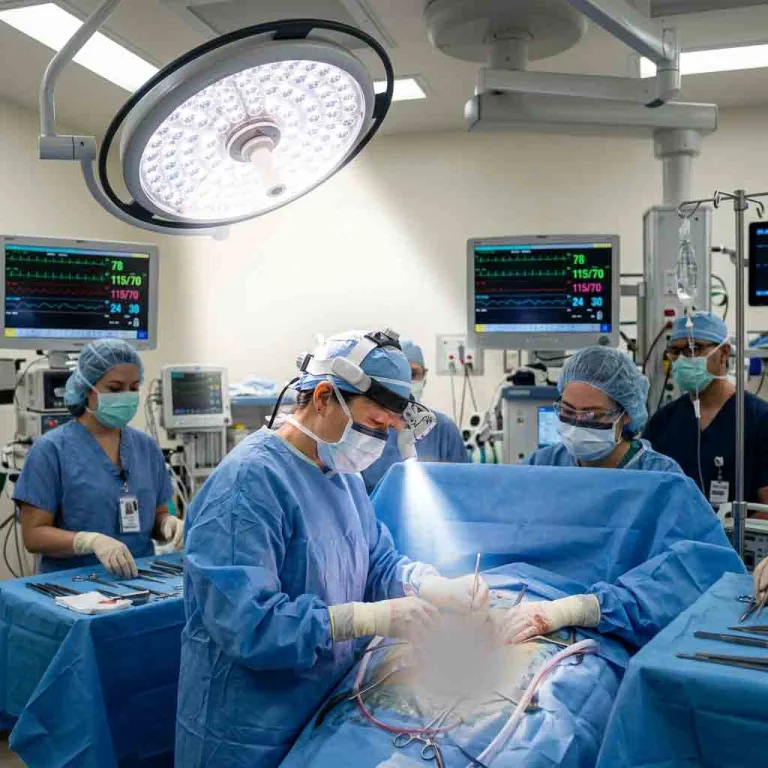
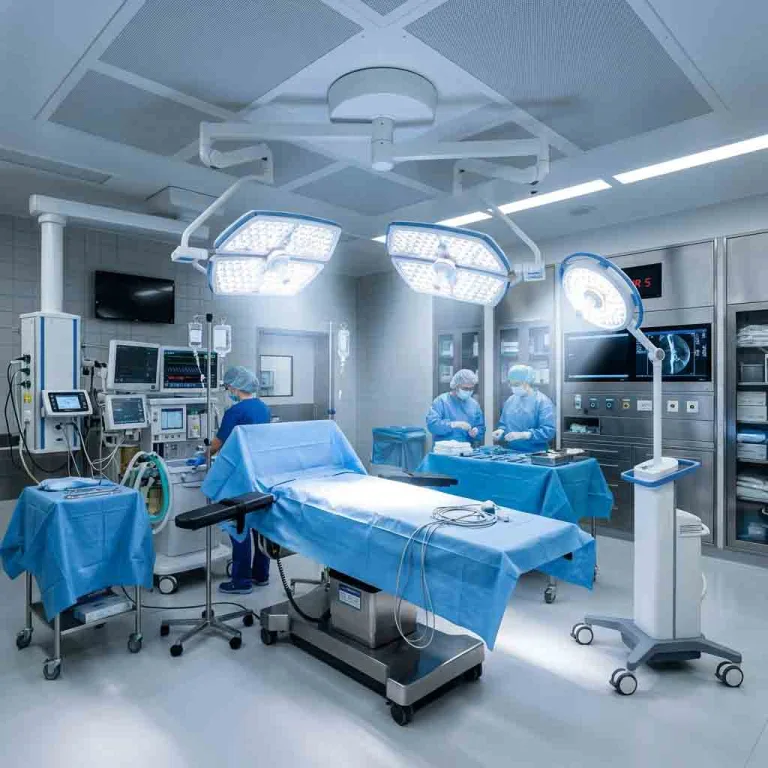
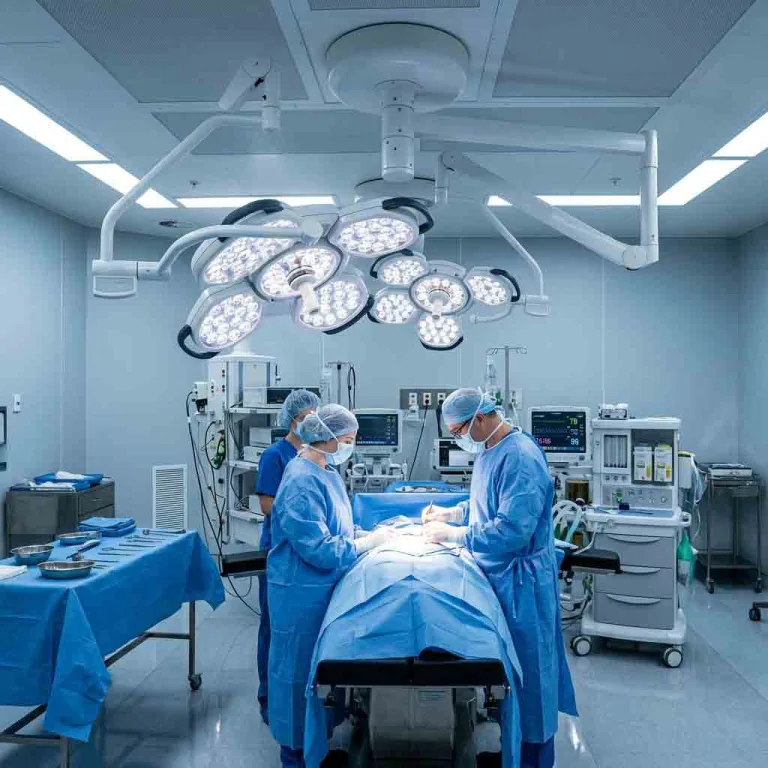
Stationary anaesthesia workstations are the standard choice for main operating rooms in hospitals and major surgical centers.
-
Design & Structure: Mounted on durable, heavy-duty rolling casters with integrated lock systems, these units feature large work surfaces, multiple storage drawers, and dual or triple vaporizer mounts.
-
Target Applications: Inpatient hospital operating suites, trauma centers, and major surgical facilities handling lengthy procedures.
-
Key Capabilities: These systems accommodate full-sized gas cylinder backups, integrated high-end mechanical ventilators, multi-parameter patient monitors, and advanced gas scavenging setups.
Portable & Compact Anaesthesia Machines
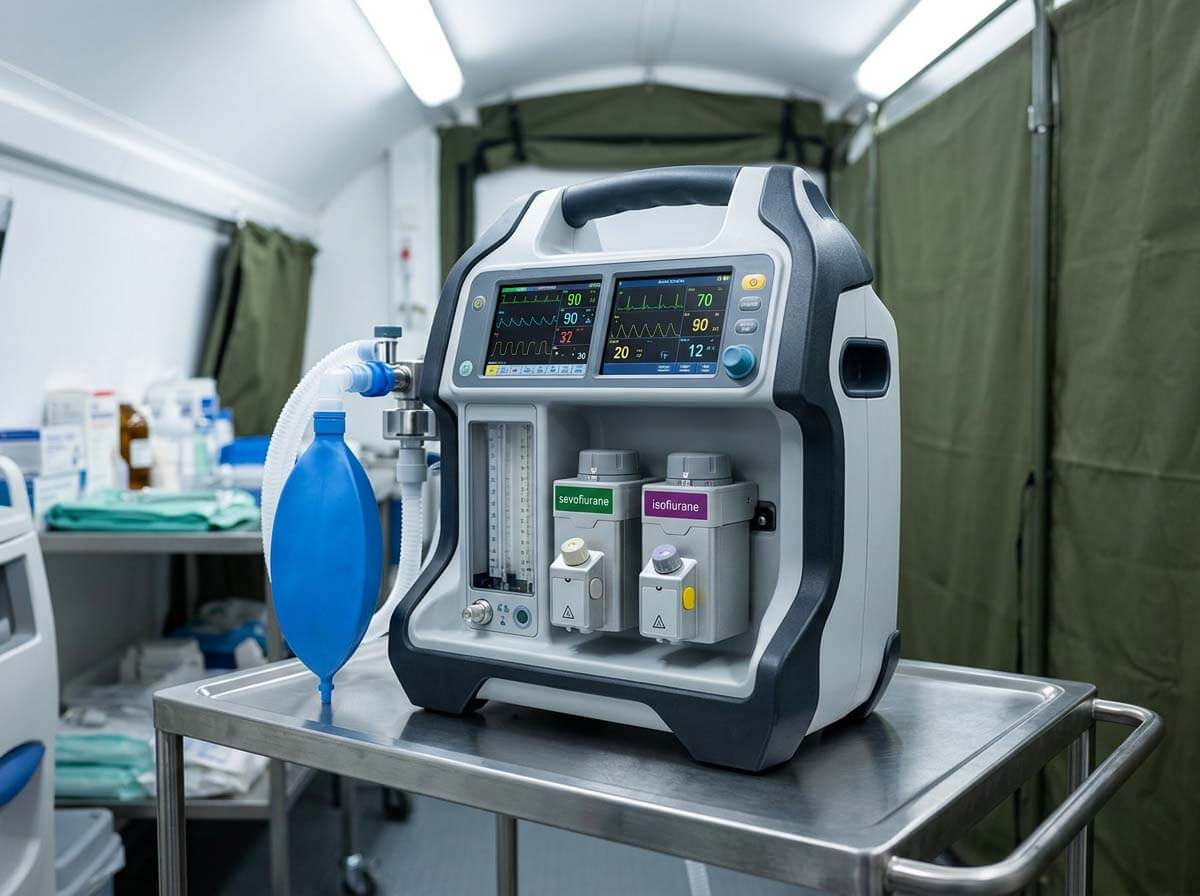
Portable anaesthesia machines are lightweight, compact systems engineered for easy transit and rapid deployment without sacrificing baseline safety.
-
Design & Structure: Designed with carrying handles, lightweight aluminium frames, or compact single-pole mounts, these units prioritize footprint reduction.
-
Target Applications: Ambulatory surgery centers, field hospitals, emergency response units, mobile clinics, and remote medical missions.
-
Key Capabilities: They typically utilize single-vaporizer mounts, simplified breathing circuits, and basic ventilation controls, often operating efficiently on portable E-cylinders or oxygen concentrators.
Tabletop and Wall-Mounted Units
Tabletop and wall-mounted setups maximize available floor space in environments where dedicated equipment carts are impractical.
-
Design & Structure: These configurations secure the flowmeters, vaporizer, and breathing circuit directly onto a wall track or an elevated countertop bracket.
-
Target Applications: Dental surgery suites, minor procedure rooms, outpatient specialty clinics, and veterinary procedure bays.
-
Key Capabilities: Provides essential gas mixing and vaporization capabilities in tight quarters while keeping floor space entirely clear for surgical personnel.
2. Specialized Environment Anaesthesia Systems
Certain clinical environments require specialized equipment engineered to overcome severe physical or environmental constraints.
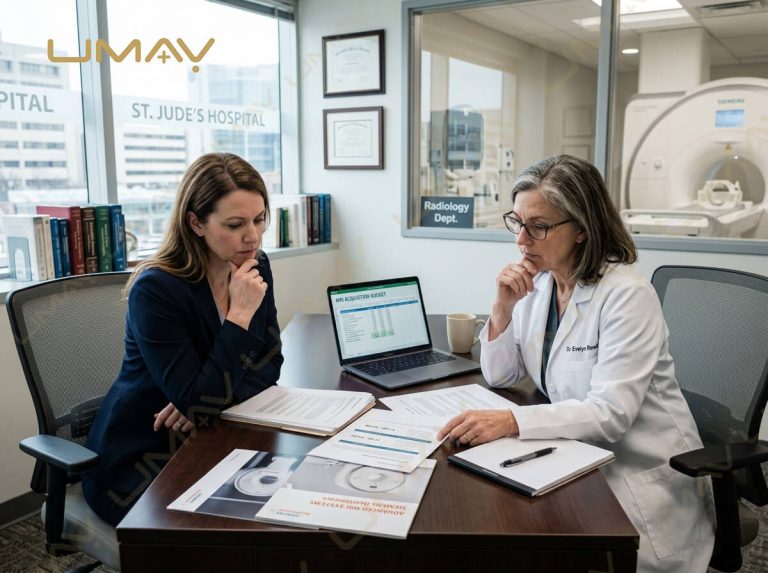
MRI-Compatible Anaesthesia Machines
Magnetic Resonance Imaging (MRI) suites generate powerful magnetic fields that present major safety hazards to standard equipment containing ferrous metals.
-
Non-Ferrous Construction: MRI-safe anaesthesia machines use non-magnetic materials (aluminum, titanium, specialized plastics, non-ferromagnetic alloys) to eliminate the risk of the equipment being pulled toward the scanner.
-
Shielded Electronics: Electronics, alarms, and flow sensors are specially shielded against strong electromagnetic fields to prevent operational errors and image artifact distortions on the MRI scan.
-
Placement Proximity: Certified MRI-compatible units can safely operate inside the 1.5T or 3.0T scanner room, right next to the patient, eliminating long circuit tubings that increase dead space and compliance issues.
Field & Emergency Anaesthesia Systems
Designed for military operations, disaster response teams, and low-resource settings, field units prioritize durability and self-sufficiency.
-
Ruggedized Enclosures: Packed inside impact-resistant, waterproof transit cases capable of surviving harsh transport conditions.
-
Power Independence: Equipped with draw-over vaporizers or passive ventilation mechanisms that function reliably without central compressed air or steady electrical grids.
3. Human Medical vs. Veterinary Anaesthesia Machines
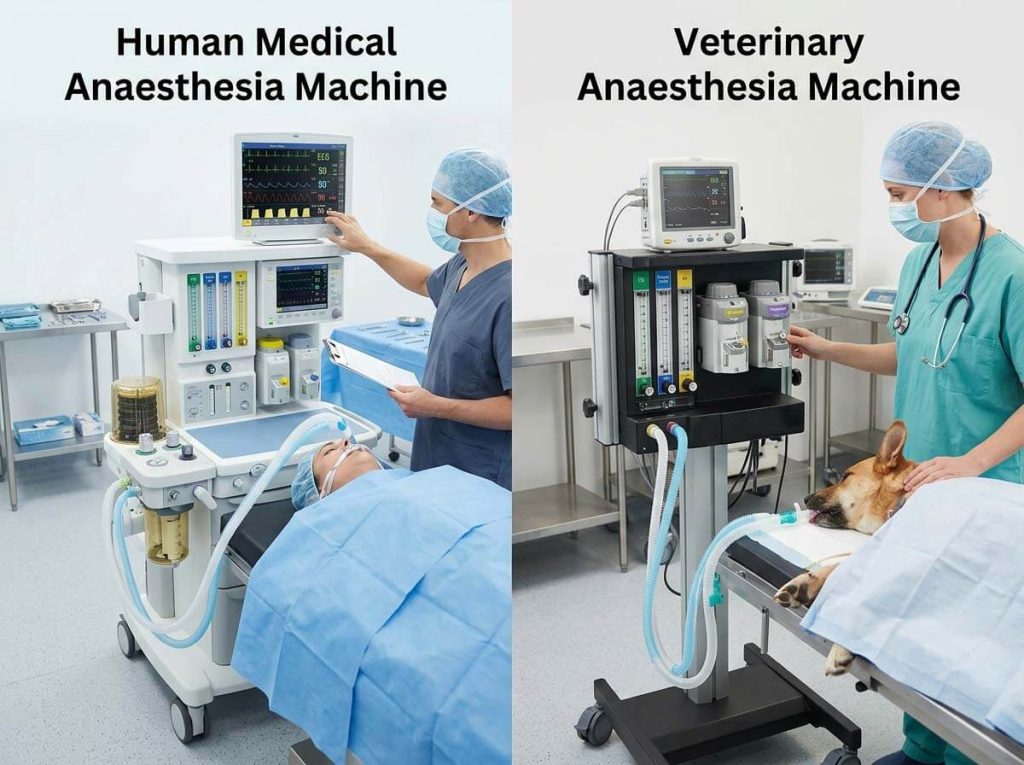
While the physical principles of gas vaporization and breathing circuits remain the same, human and veterinary systems cater to distinctly different biological needs and regulatory demands.
+------------------------+------------------------------------+------------------------------------+
| Feature                | Human Medical Workstations         | Veterinary Anaesthesia Machines    |
+------------------------+------------------------------------+------------------------------------+
| Tidal Volume Range     | Strict compliance for neonates     | Extremely wide flexibility         |
|                        | through adult patients.            | (5g rodents to 500kg horses).      |
+------------------------+------------------------------------+------------------------------------+
| Regulatory Compliance  | Stringent FDA / CE / ISO medical   | Specialized veterinary safety      |
|                        | device approvals required.         | guidelines and approvals.          |
+------------------------+------------------------------------+------------------------------------+
| Circuit Adaptability   | Standardized pediatric and adult   | High variability (non-rebreathing  |
|                        | breathing circuits.                | vs. rebreathing for micro-animals).|
+------------------------+------------------------------------+------------------------------------+
| Integrated Technology  | Advanced EMR integration, automated| Streamlined controls focused on    |
|                        | gas controls, multi-agent sensors. | ease of maintenance and agility.   |
+------------------------+------------------------------------+------------------------------------+
Human Medical Anaesthesia Workstations
Human-use systems focus on precise gas dosing, automated lung-protective ventilation, and strict regulatory compliance.
-
Precision Delivery: Highly sensitive flow sensors measure minute ventilation adjustments to protect human lung tissue.
-
EMR Integration: Modern human workstations output real-time patient data and gas consumption records directly into electronic medical record (EMR) systems.
Veterinary Anaesthesia Equipment
Veterinary systems must accommodate extreme physiological diversity—from tiny domestic pets to large agricultural animals.
-
Broad Scale Flow Control: Veterinary flowmeters and vaporizers must accurately adjust between microscopic flow rates for avian/exotic patients and massive volume outputs for equine or livestock procedures.
-
Circuit Flexibility: Easily switches between non-rebreathing circuits (for small animals under 5kg to prevent breathing resistance) and traditional rebreathing circle systems (for larger animals).
4. Gas Delivery Mechanics: Continuous Flow vs. Draw-Over Systems
Understanding the core mechanical architecture helps buyers select the appropriate system for their infrastructure.
Continuous Flow Systems (Standard Medical Grade)
Continuous flow machines deliver a steady, regulated stream of medical gas mixed with vaporized anesthetic through a pressurized supply line.
-
Mechanism: Requires compressed gas sources (central pipelines or high-pressure gas cylinders). Gas flow is continuously measured and adjusted via precision flowmeters.
-
Advantages: Complete control over oxygen concentration, steady depth of anesthesia, seamless integration with mechanical ventilators.
Draw-Over (Intermittent) Systems
Draw-over systems draw ambient air over a low-resistance vaporizer whenever the patient takes a spontaneous breath or when a manual bag is squeezed.
-
Mechanism: Operates without compressed gas supplies, using ambient air as the primary carrier gas.
-
Advantages: Highly portable, functional in off-grid environments, minimal logistics required—ideal for emergency combat fields and austere disaster zones.
5. How to Choose the Right Type for Your Facility
When evaluating equipment for procurement, evaluate your clinical operational demands using this step-by-step checklist:
-
Determine Primary Use Case: Assess whether the unit will stay in a dedicated operating room (Stationary), move between outpatient rooms (Portable), or enter an imaging suite (MRI-Safe).
-
Evaluate Facility Infrastructure: Verify whether your facility has piped central oxygen and medical air. Facilities lacking piped gas should prioritize machines built for dual E-cylinder yokes or concentrator hookups.
-
Identify Patient Demographics: Match the mechanical ventilator’s tidal volume capabilities to your patient base (e.g., neonatal-capable ventilators for pediatric facilities vs. high-volume units for general surgery).
-
Check Regulatory Requirements: Ensure the equipment meets local medical device certifications (such as FDA 510(k), CE mark, ISO 80601-2-13 standards) applicable to your operating region.
Frequently Asked Questions (FAQ)
What makes an anaesthesia machine MRI-safe?
An MRI-safe machine is constructed entirely from non-ferromagnetic materials such as aluminum, titanium, and specialized composites. Its electronic components are shielded to function near high magnetic fields without disrupting scan quality or causing magnetic attraction hazards.
Can a human anaesthesia machine be used for veterinary surgery?
Yes, human anaesthesia machines are frequently repurposed or adapted for veterinary use, especially in large veterinary hospitals. However, they often require re-calibration and circuit modifications to safely accommodate very small animals (like birds or pocket pets) or very large animals.
What is the advantage of a portable anaesthesia machine over a stationary unit?
Portable units offer mobility, a compact footprint, and rapid setup times. They are cost-effective for minor procedure rooms, mobile clinics, and facilities that do not require full-scale integrated gas workstations.
What gas sources do continuous flow anaesthesia machines require?
Continuous flow machines typically require a pressurized source of Medical Oxygen combined with Medical Air, Nitrous Oxide, or both. These gases are supplied either through central hospital pipelines or attached gas cylinders.