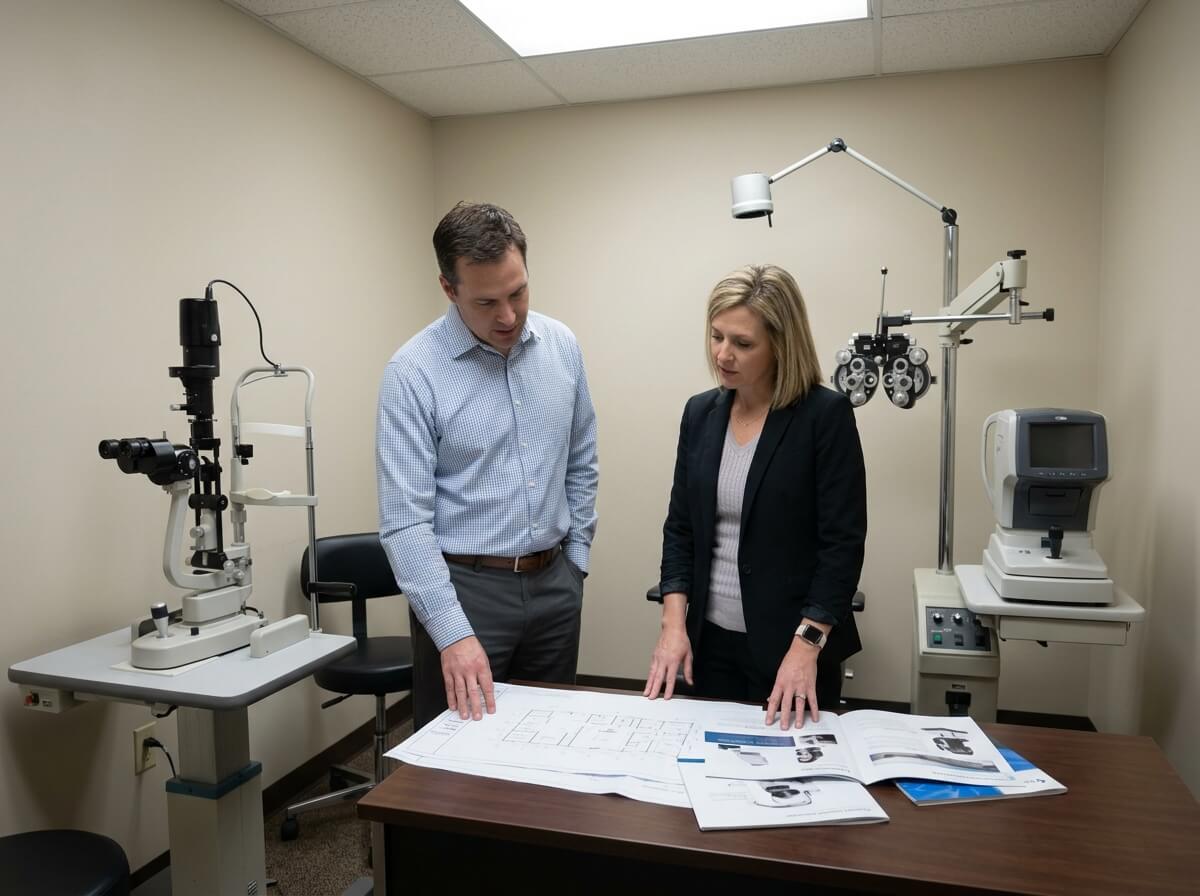
Executive Overview: Navigating Capital Expenditure in Ophthalmic Procurement
Procuring ophthalmic machinery requires balancing initial capital expenditure (CapEx) against long-term operational expenditure (OpEx). Hospital purchasing departments, private optical practices, and regional medical distributors face complex choices ranging from selecting original equipment manufacturers (OEMs) to evaluating refurbished clinical systems.
A strategic procurement approach minimizes equipment downtime, ensures regulatory compliance, and maximizes patient throughput and investment yield.
+-----------------------------------------------------------------------------------+
|                        OPHTHALMIC PROCUREMENT DECISION FLOW                       |
+-----------------------------------------------------------------------------------+
|  1. Needs Analysis         | Clinical volume, target specialties, budget limits   |
|  2. Vendor Sourcing        | Direct OEM, authorized distributor, refurbished   |
|  3. Financial Evaluation   | Initial purchase cost, warranty, TCO & ROI model  |
|  4. Risk & Compliance      | ISO 13485, CE/FDA marks, spare parts availability |
+-----------------------------------------------------------------------------------+
1. Average Pricing & Cost Benchmarks by Equipment Category
Equipment prices vary significantly based on feature sets, brand equity, software licensing, and optical resolution.
Basic Diagnostic & Screening Tools
-
Autorefractors / Auto Keratometers: $3,000 – $12,000 for standard standalone units; $15,000 – $25,000 for integrated wavefront and topography systems.
-
Slit Lamp Biomicroscopes: $2,500 – $8,000 for standard manual tower setups; $10,000 – $22,000 for digital units featuring high-resolution CMOS cameras and beam splitters.
-
Non-Contact Tonometers (NCT): $6,000 – $18,000 depending on automated corneal thickness compensation features and auto-tracking capabilities.
Advanced Diagnostic & Imaging Modalities
-
Optical Coherence Tomography (OCT): $35,000 – $75,000 for standard Spectral-Domain OCT (SD-OCT); $80,000 – $150,000+ for premium Swept-Source OCT (SS-OCT) with integrated OCT Angiography (OCTA).
-
Digital Fundus Cameras: $12,000 – $30,000 for non-mydriatic desktop units; $45,000 – $110,000 for ultra-widefield (UWF) fluorescein angiography platforms.
Surgical Equipment Systems
-
Phacoemulsification Systems: $25,000 – $85,000 for standalone anterior phaco units; $90,000 – $160,000 for dual phaco-vitrectomy systems.
-
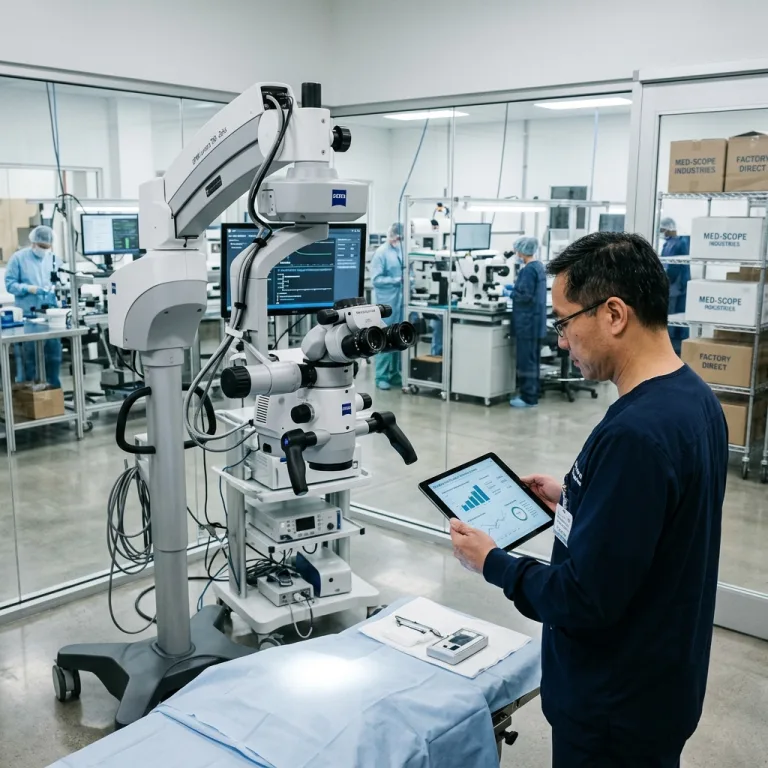
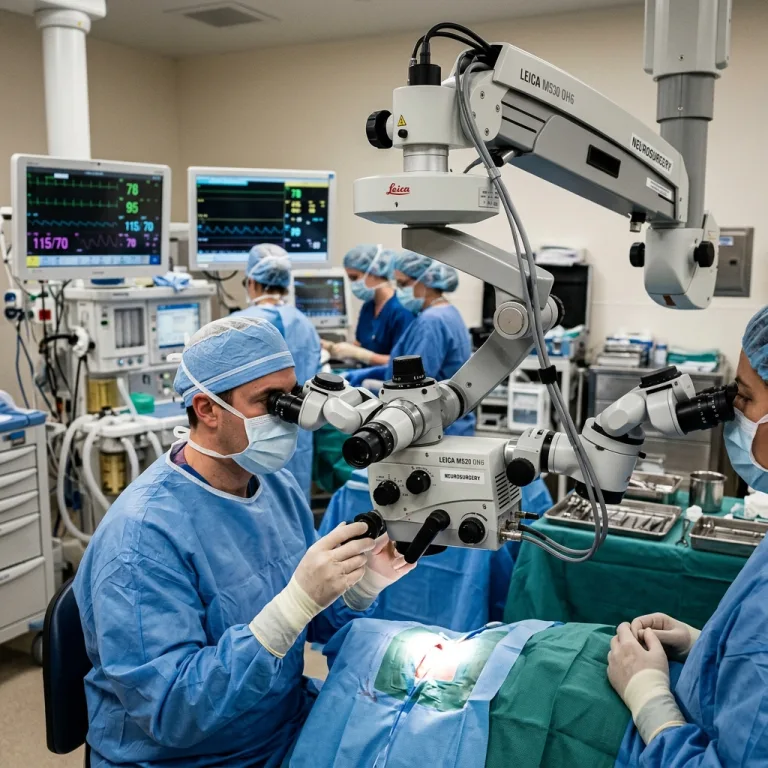
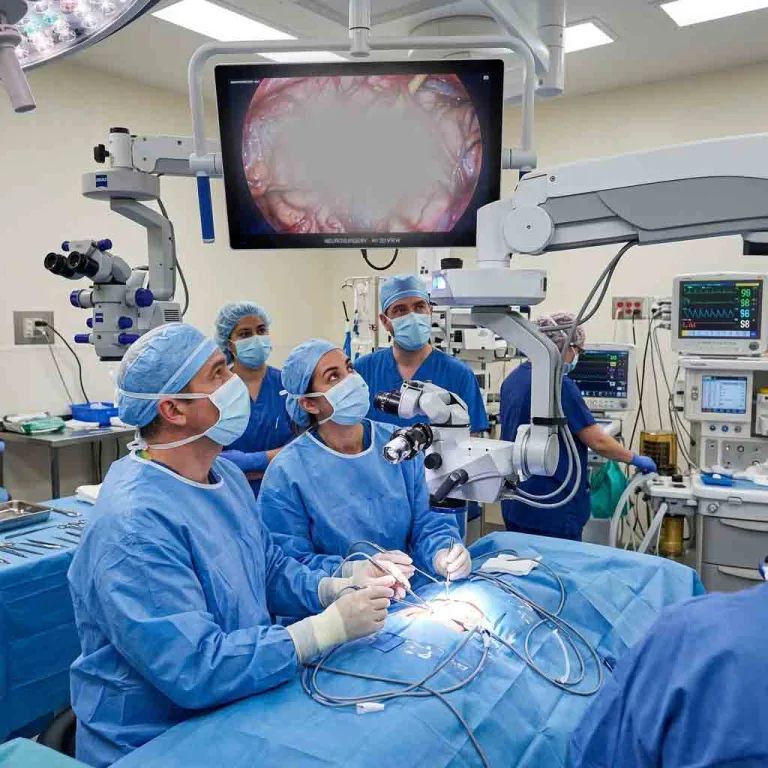
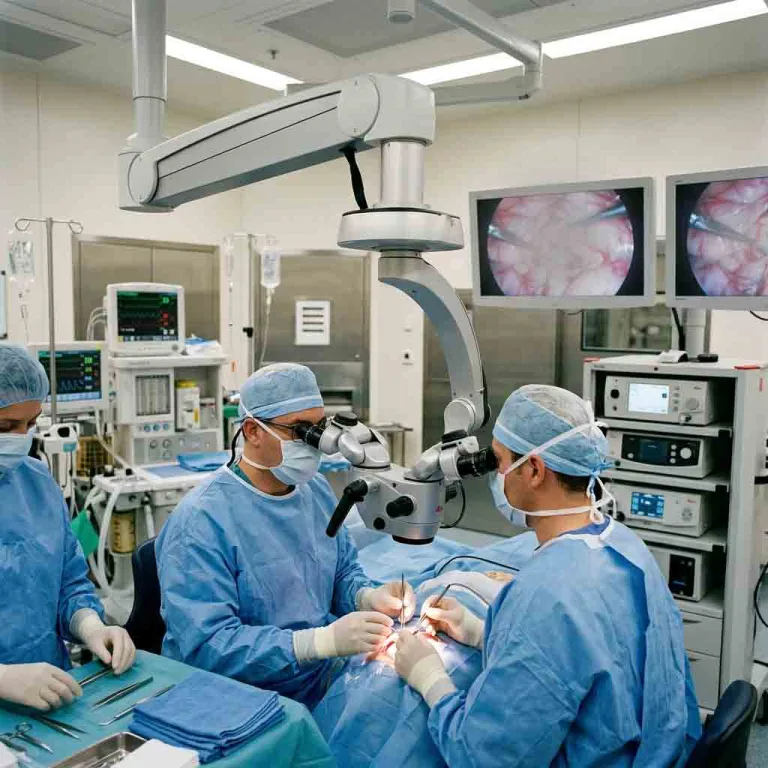
Ophthalmic Surgical Microscopes: $18,000 – $55,000 for standard floor-stand surgical scopes; $60,000 – $180,000 for advanced systems with intraoperative OCT and 3D heads-up displays.
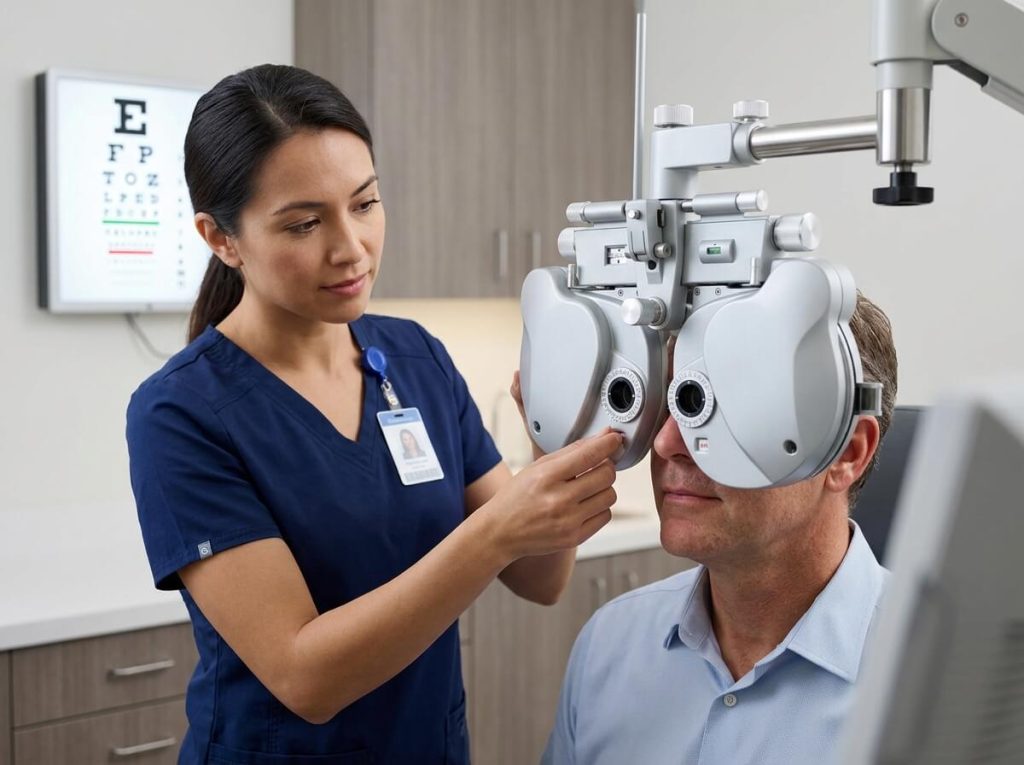
2. New vs. Refurbished vs. OEM Equipment Sourcing
Evaluating equipment sourcing tiers helps clinical buyers allocate capital efficiently across primary and specialty care units.
                     EQUIPMENT SOURCING COMPARISON
                                   |
       +---------------------------+---------------------------+
       |                                                       |
Factory-New / Direct OEM                      Certified Refurbished Units
- Full warranty (12–36 months)                - Discounted price (30% to 50% savings)
- Latest software & updates                   - Factory restored with OEM parts
- Highest capital investment                  - Requires strict vendor vetting
Factory-New OEM Equipment
-
Advantages: Latest technology iterations, full manufacturer warranty, complete software integration, and maximum operational lifespan.
-
Disadvantages: Highest upfront cost and higher initial depreciation rates.
-
Best For: High-volume reference hospitals, specialty surgical centers, and flagships requiring cutting-edge technology.
Certified Refurbished Equipment
-
Advantages: Typically priced 30% to 50% lower than brand-new units, allowing faster capital amortization.
-
Disadvantages: Variable cosmetic condition, shorter warranty periods (typically 90 days to 1 year), and potential end-of-life component scarcity.
-
Best For: Secondary diagnostic clinics, startup practices, or backup units in busy surgical suites.
3. Calculating Total Cost of Ownership (TCO)
Focusing solely on purchase price creates hidden financial strain. A comprehensive Total Cost of Ownership (TCO) calculation must incorporate operational, maintenance, and consumable variables.
+-----------------------------------------------------------------------------------+
|                        5-YEAR COST DISTRIBUTION EXAMPLE (OCT)                      |
+-----------------------------------------------------------------------------------+
| Capital Purchase Price (60%)           | $50,000                                 |
| Extended Service Agreement (20%)       | $16,000 ($4,000 / year post-warranty)   |
| Software Upgrades & DICOM Licenses (10%)| $8,000                                  |
| Installation, Calibrations & PM (10%)  | $8,000                                  |
+-----------------------------------------------------------------------------------+
-
Consumables & Accessories: Surgical machines require continuous purchasing of single-use tubing packs, cassette sets, phaco tips, test eyes, and sterile drapes.
-
Software Licensing & DICOM Connectivity: Verify whether software updates, EMR integration licenses, and normative database updates are included or billed annually.
-
Service Level Agreements (SLAs): Post-warranty service contracts usually cost 8% to 12% of the equipment purchase price annually.
4. Vendor Vetting & Supplier Audit Checklist
When importing ophthalmic equipment or purchasing from third-party manufacturers, verify vendor capability using this evaluation matrix:
-
Regulatory Certifications: Confirm valid ISO 13485 (Medical Device Quality Management), CE certificates under MDR guidelines, and FDA 510(k) clearances where mandatory.
-
Spare Parts Availability: Require vendors to guarantee component and spare part availability for a minimum of 5 to 7 years post-discontinuation.
-
Technical Support & SLAs: Check if the supplier offers guaranteed response times (e.g., 24-hour remote diagnosis, 48-hour on-site dispatch) and localized training.
-
Export & Freight Capability: Ensure international suppliers utilize shock-monitored, climate-controlled, export-compliant wooden crates to prevent optical misalignment during transport.
5. Ophthalmic Equipment Sourcing & Procurement Matrix
| Device Category | Target Price Range (New) | Refurbished Savings Potential | Key Consumable Cost Drivers | Recommended Warranty Term |
| Autorefractor | $3,000 – $15,000 | 30% – 40% | Chin-rest paper, printer rolls | 12 to 24 Months |
| Slit Lamp | $2,500 – $22,000 | 25% – 35% | Replacement bulbs, breath shields | 24 to 36 Months |
| OCT Imaging System | $35,000 – $150,000+ | 35% – 50% | Software updates, chin-rest covers | 12 to 24 Months |
| Phaco Unit | $25,000 – $160,000 | 40% – 50% | Tubing packs, phaco tips, sleeves | 12 to 24 Months |
| Non-Contact Tonometer | $6,000 – $18,000 | 30% – 45% | Air filters, calibration verification | 12 to 24 Months |
6. Frequently Asked Questions (FAQ)
Q1: What are the main financial benefits of buying directly from OEM manufacturers versus regional distributors?
Direct OEM sourcing often provides lower unit purchase prices and direct access to original software and factory-trained technical support. However, local authorized distributors often offer faster on-site field support, immediate spare parts delivery, and local currency financing.
Q2: How can clinics estimate the ROI of adding a modern SD-OCT unit?
Calculate daily patient volume requiring retinal scans, average insurance reimbursement or out-of-pocket fee per scan, and annual operational costs (TCO). Most clinics recoup the purchase cost of an SD-OCT within 8 to 14 months with modest daily scan numbers.
Q3: What hidden fees should buyers watch out for in international medical device shipments?
Watch for hidden costs including import tariffs, customs brokerage fees, specialized airport-to-clinic white-glove delivery charges, unquoted DICOM connectivity fees, and mandatory on-site installation/training fees.