
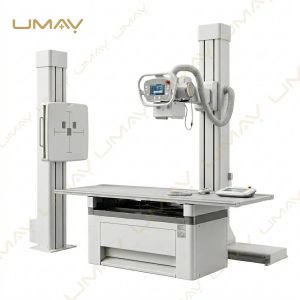



Human X-Ray Machine | Fixed Digital Radiography System for Hospitals and Diagnostic Imaging
Quick Info.
- SKU NO.: UMDRXY006
- Device Classification: Class Ⅱ
- Warranty: 1 Year
- Power Source: Electric
- Transport Package: Carton or Wooden Cases
- Origin: China
- Material: Aluminum & Magnesium Alloys and Plastic
- After-Sale Service: Online Technical Support
- Production Capacity: 1000 Sets/Year
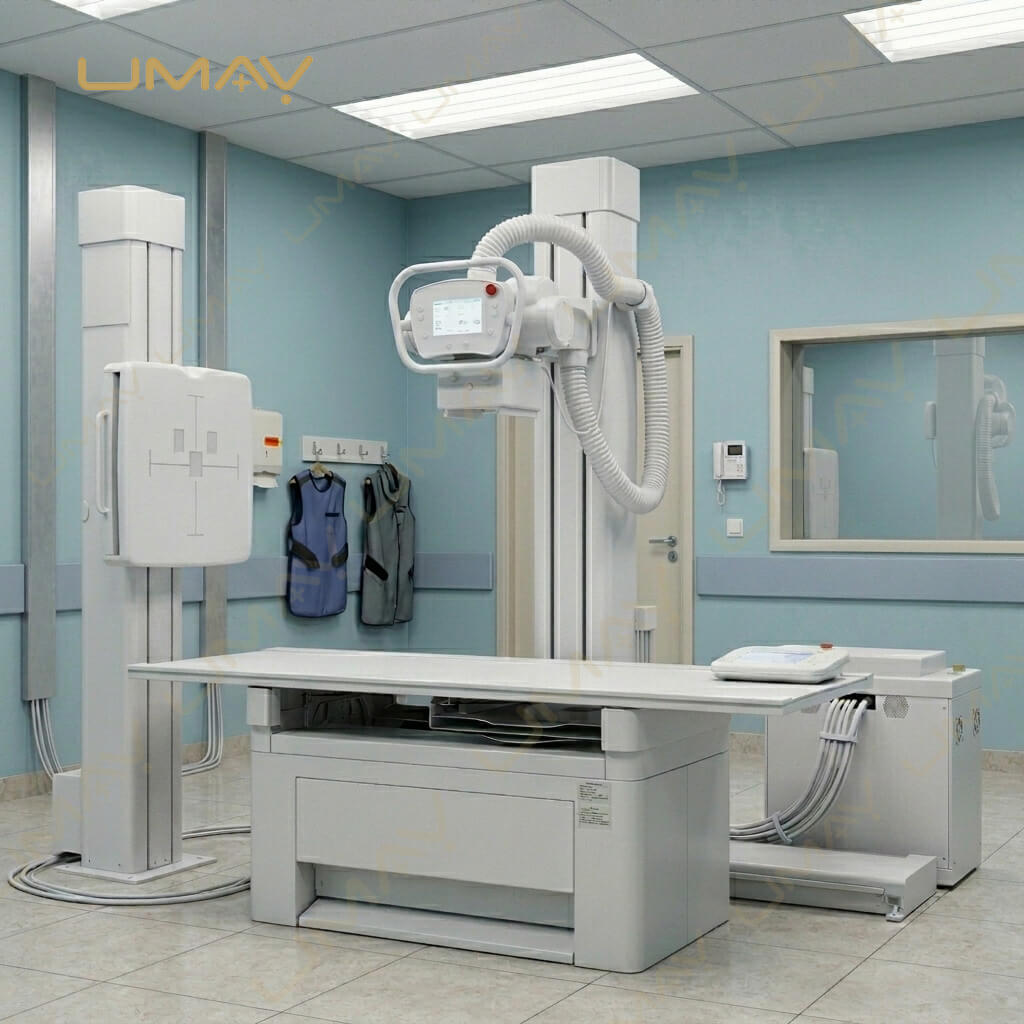
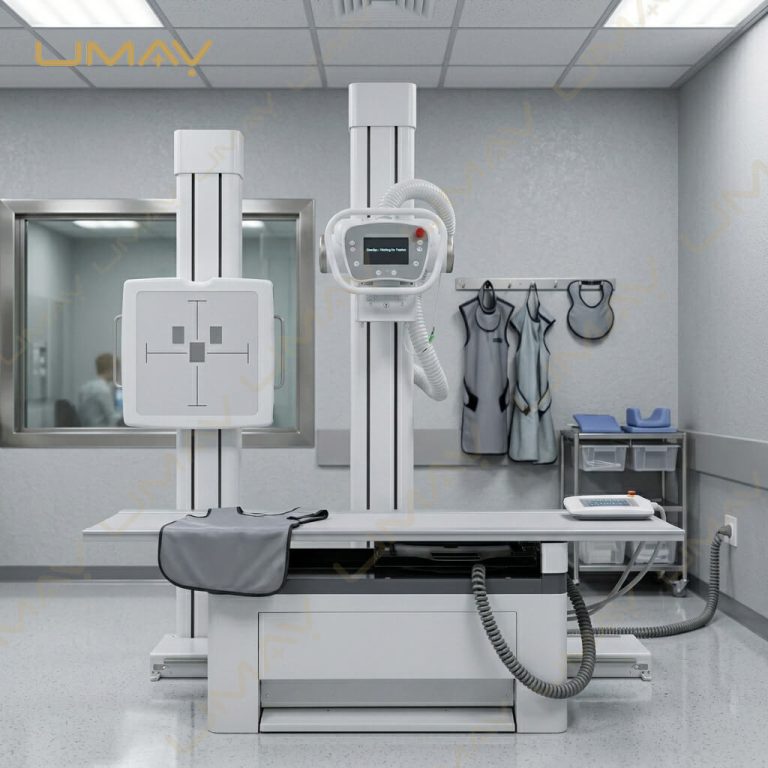
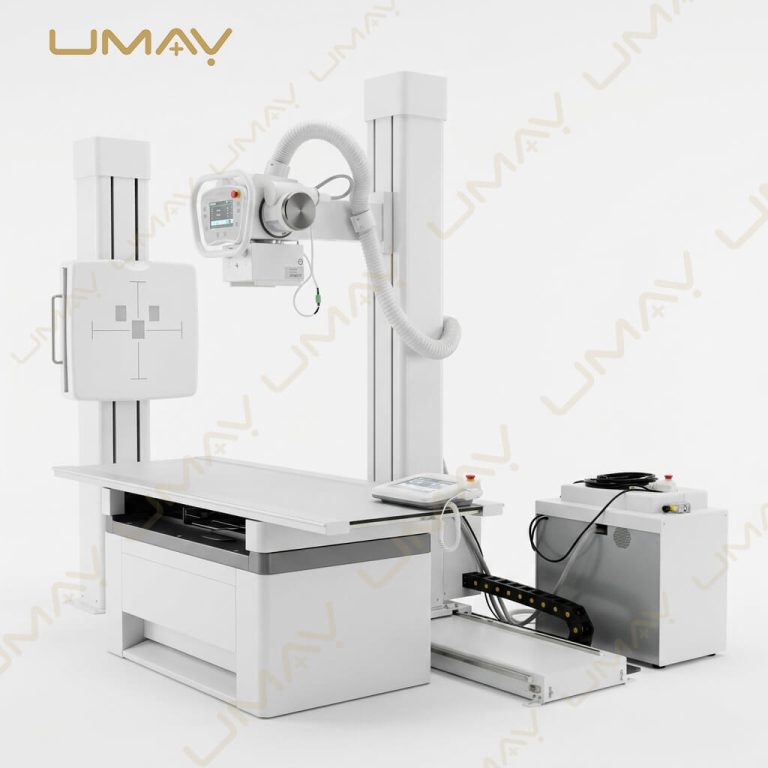
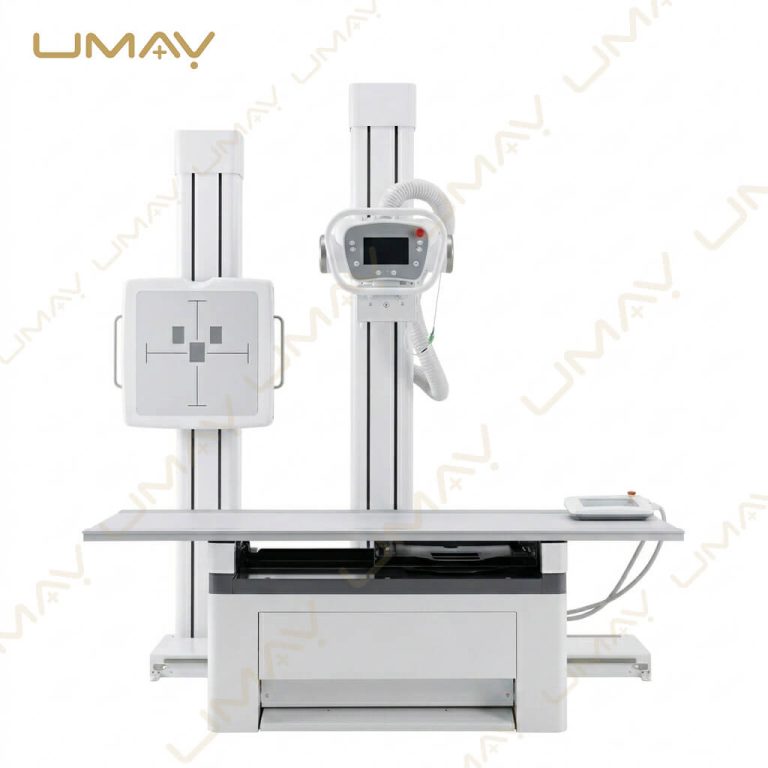
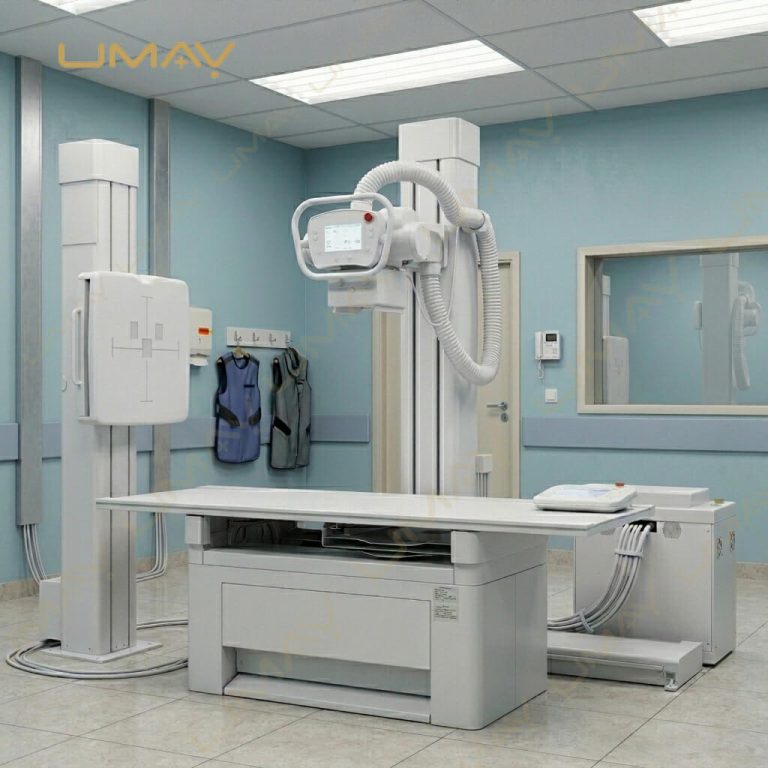
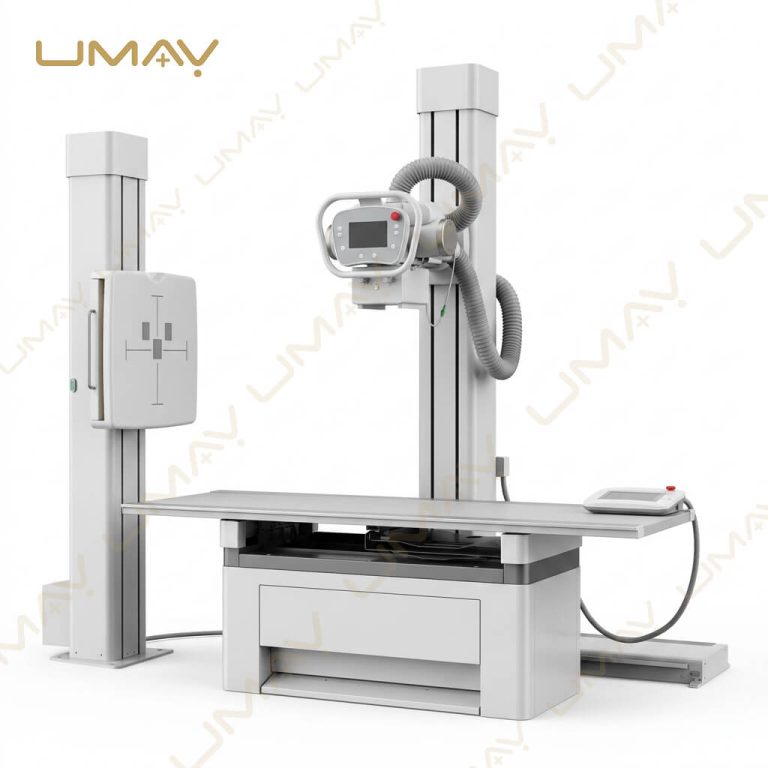
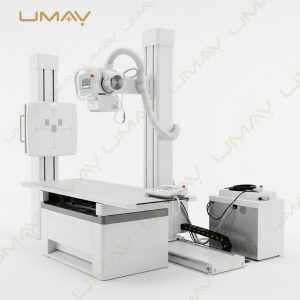
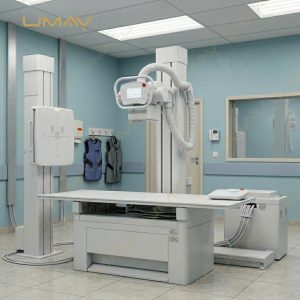
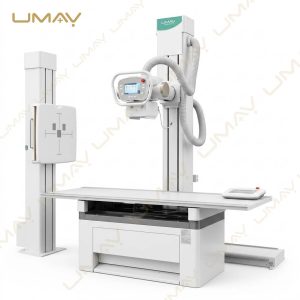
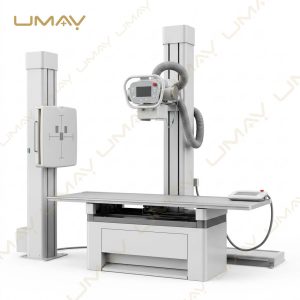
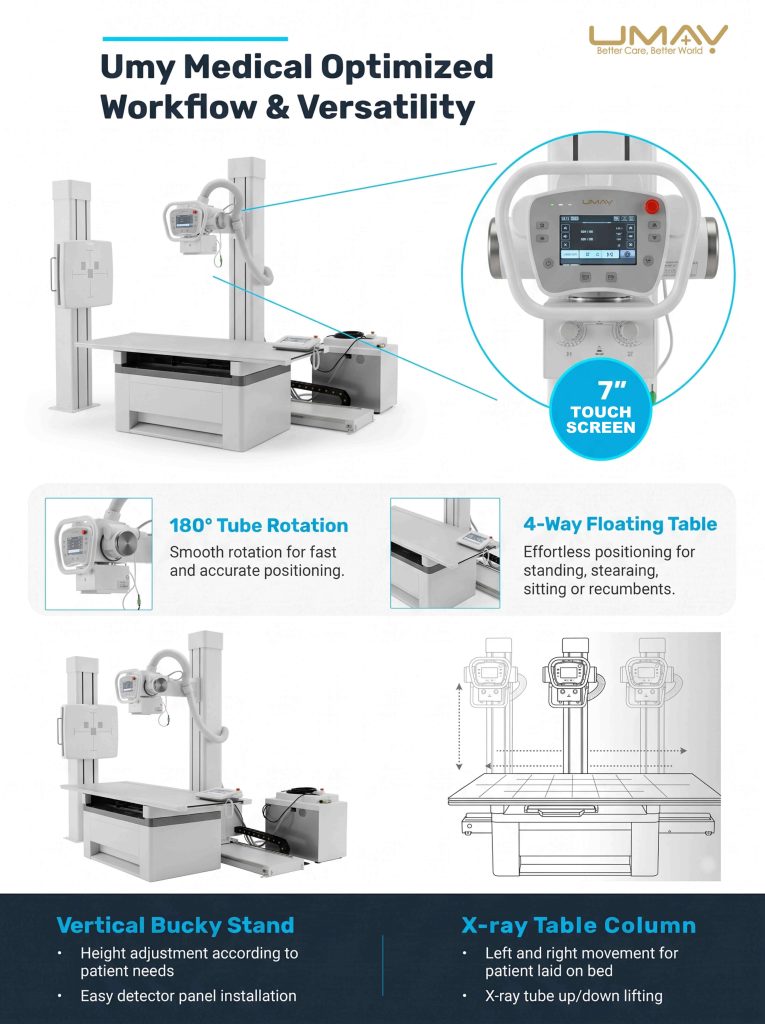
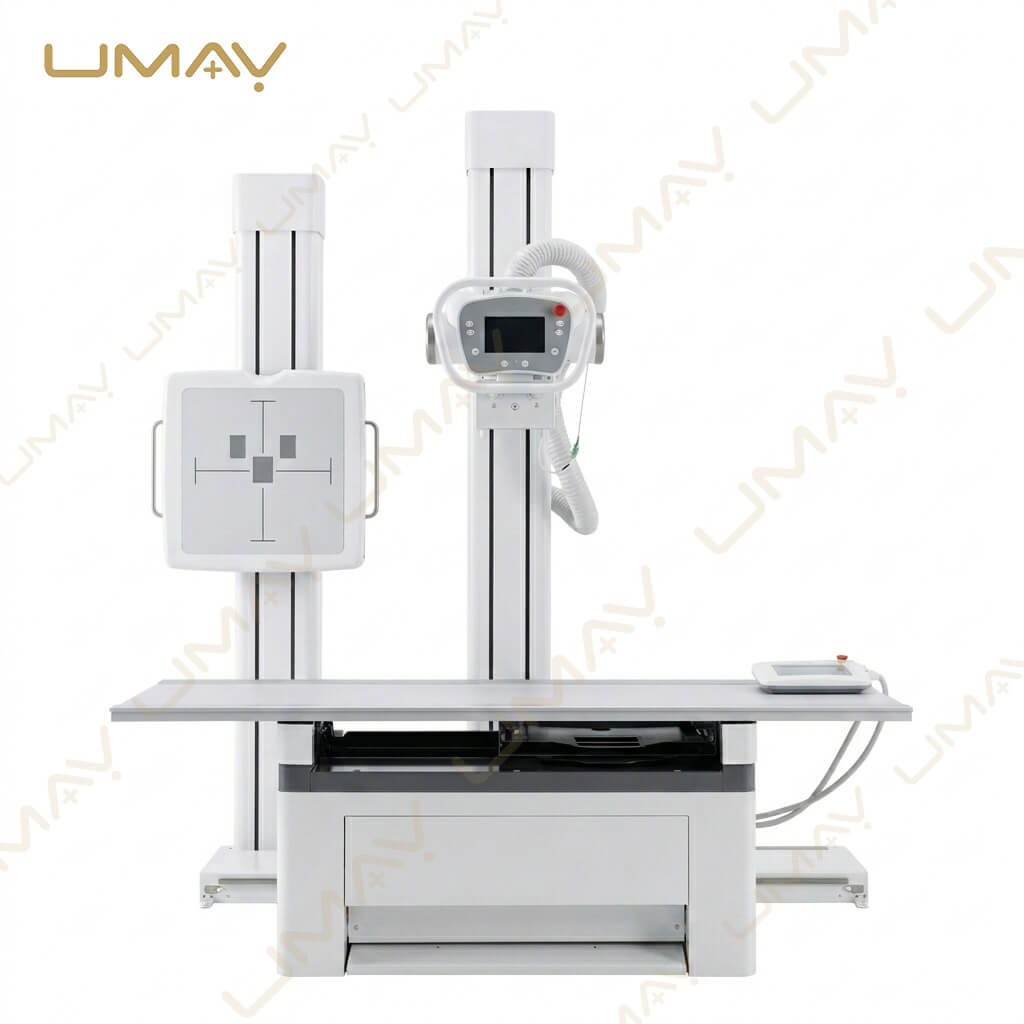
This human X-ray machine is a fixed medical radiography system designed for general diagnostic imaging in hospitals, clinics, diagnostic centers and radiology departments. The floor-mounted configuration integrates an X-ray tube support, radiographic table and upright Bucky wall stand to support a wide range of routine human X-ray examinations.
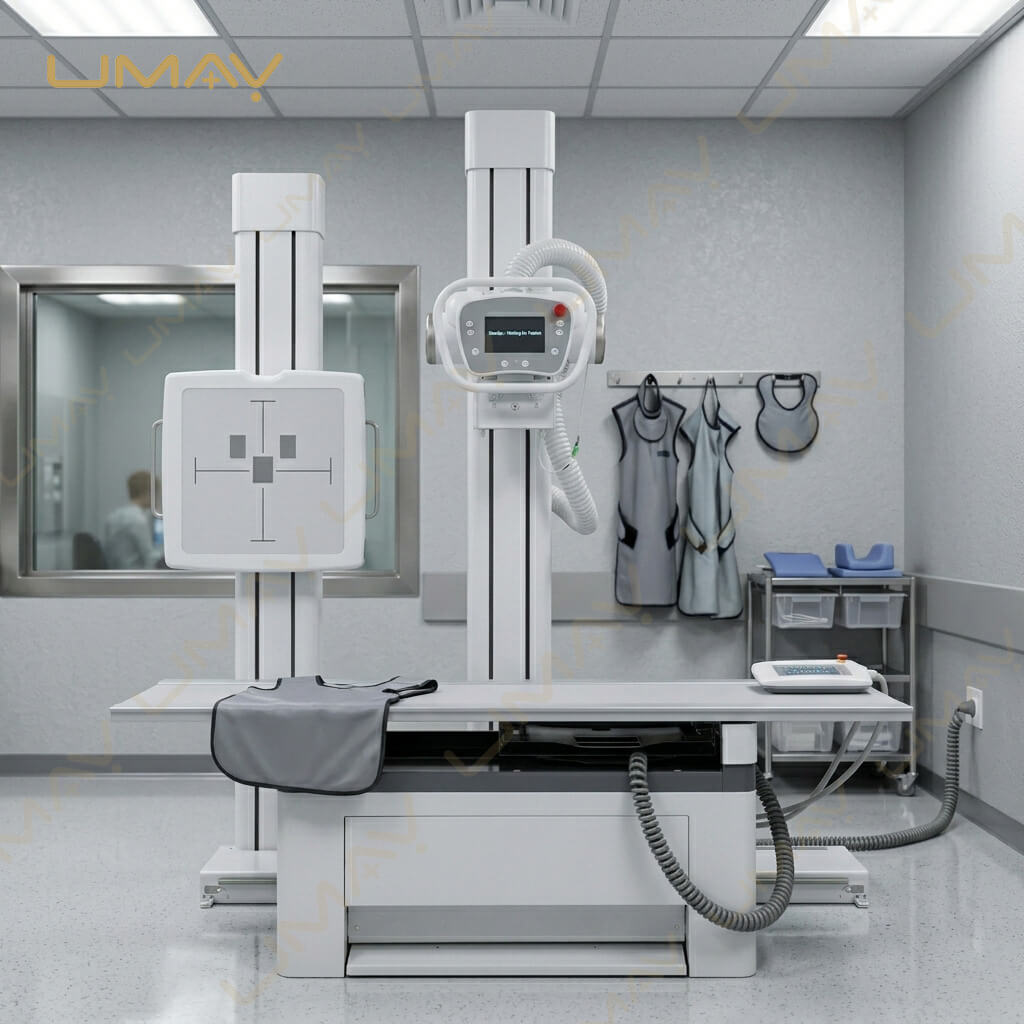
The system can be used for chest radiography, abdominal imaging, spine imaging, orthopedic examinations, skull imaging and extremity radiography, depending on the system configuration and clinical requirements. Its fixed structure makes it suitable for dedicated radiology rooms where stable positioning and repeatable examination workflows are required.
For medical equipment distributors and hospital procurement teams, this type of fixed digital radiography system can be considered as a general-purpose X-ray imaging solution for new radiology departments, hospital upgrades and diagnostic imaging projects.
The Specific Parameters
-
Human X-Ray Imaging for Multiple Clinical Examinations
General radiography is commonly used for routine diagnostic imaging of different anatomical regions. A hospital X-ray machine may be used for chest radiography, lung imaging, abdominal imaging, spine examinations, orthopedic imaging, skull radiography and extremity examinations.
A fixed radiography system with a table and upright Bucky stand provides flexibility for different patient positions and examination workflows. The radiographic table can support examinations performed in a horizontal position, while the vertical stand can be used for upright radiography such as chest and standing examinations.
This makes the system relevant for hospital radiology departments, general diagnostic imaging centers, orthopedic clinics and medical centers requiring a dedicated radiography room.
Medical X-Ray Equipment for Hospitals and Imaging Centers
When purchasing a medical X-ray machine, healthcare providers normally consider system configuration, clinical applications, room layout, workflow, installation requirements, service support and long-term operating requirements.
This type of fixed human X-ray machine can be considered for new hospital imaging departments, radiology room upgrades, diagnostic center projects and medical equipment replacement programs. It is also suitable for distributors and medical equipment suppliers looking for a general-purpose X-ray imaging system for different healthcare markets.
For international procurement, buyers can also evaluate the X-ray generator configuration, X-ray tube specifications, detector configuration, image acquisition system, radiographic table, upright Bucky stand, software functions, DICOM compatibility, installation requirements and after-sales technical support according to their project requirements.
Q1: What is a human X-ray machine?
A human X-ray machine is medical imaging equipment used to produce X-ray images of the human body for diagnostic radiography. It can be used for examinations such as chest, abdomen, spine, skull, bone and extremity imaging.
Q2: What is a fixed X-ray machine?
A fixed X-ray machine is a stationary medical radiography system installed in a dedicated X-ray room. Unlike portable or mobile X-ray equipment, it is designed for permanent installation and routine radiography workflows.
Q3: What is a digital radiography system?
A digital radiography system is an X-ray imaging system that uses digital image acquisition technology to produce radiographic images for clinical review and diagnostic workflows.
Q4: What is the difference between a mobile X-ray machine and a fixed X-ray machine?
A mobile X-ray machine is designed to move between patient locations, while a fixed X-ray machine is installed in a dedicated radiology room. Fixed systems are commonly selected for departments that perform regular and higher-volume radiography examinations.
Q5: What examinations can a general radiography system perform?
General radiography systems may be used for chest, abdomen, spine, skull, pelvis and extremity examinations, depending on the system configuration, detector arrangement and clinical application.
Q6: What is an upright Bucky stand?
An upright Bucky stand is a vertical radiographic imaging stand used to position patients for examinations such as chest and other upright X-ray procedures.
Q7: Why does a fixed X-ray system use a radiographic table and wall stand?
A radiographic table and upright wall stand provide different patient positioning options. This allows healthcare professionals to perform both table-based and upright examinations using one general radiography system.
Q8: Is a fixed X-ray machine suitable for hospitals?
Yes. Fixed X-ray machines are commonly used in hospital radiology departments, diagnostic imaging centers and dedicated X-ray rooms for routine human radiography.
Q9: How do I choose a medical X-ray machine for a hospital?
Buyers should evaluate the intended clinical applications, X-ray generator configuration, detector technology, radiographic table, upright stand, room dimensions, workflow, software, installation requirements, service support and local regulatory requirements.
Q10: How much does a human X-ray machine cost?
The price of a human X-ray machine depends on the system configuration, generator power, X-ray tube, detector type, imaging software, table and wall stand configuration, automation level, accessories, certifications and installation requirements.
Q11: Can a digital radiography system be used for orthopedic imaging?
Yes. General radiography systems are commonly used for imaging bones and joints, including examinations of the spine, shoulder, hip, knee, ankle, foot, hand and wrist, depending on clinical requirements.
Q12: What should I ask an X-ray machine manufacturer before purchasing?
Procurement teams should ask about system specifications, available detector configurations, generator options, X-ray tube specifications, software and DICOM connectivity, installation requirements, warranty, training, spare parts and after-sales technical support.
Q13: Where can I buy a medical X-ray machine from China?
Medical equipment buyers can source human X-ray machines from Chinese medical imaging manufacturers and suppliers. Before purchasing, buyers should verify product specifications, regulatory documentation, production capability, quality management, export experience and technical support.
Q14: Is a floor-mounted digital radiography system suitable for a small radiology room?
A floor-mounted radiography system can be suitable for relatively space-conscious radiology rooms, but the required room dimensions depend on the specific system design, tube movement range, table size, wall stand configuration and local installation requirements.
Q15: What is a general radiography system used for?
A general radiography system is designed for routine diagnostic X-ray examinations of different body regions. It is commonly positioned as a core imaging system for hospital and diagnostic radiology departments.
Q1: What is a human X-ray machine?
A human X-ray machine is medical imaging equipment used to produce X-ray images of the human body for diagnostic radiography. It can be used for examinations such as chest, abdomen, spine, skull, bone and extremity imaging.
Q2: What is a fixed X-ray machine?
A fixed X-ray machine is a stationary medical radiography system installed in a dedicated X-ray room. Unlike portable or mobile X-ray equipment, it is designed for permanent installation and routine radiography workflows.
Q3: What is a digital radiography system?
A digital radiography system is an X-ray imaging system that uses digital image acquisition technology to produce radiographic images for clinical review and diagnostic workflows.
Q4: What is the difference between a mobile X-ray machine and a fixed X-ray machine?
A mobile X-ray machine is designed to move between patient locations, while a fixed X-ray machine is installed in a dedicated radiology room. Fixed systems are commonly selected for departments that perform regular and higher-volume radiography examinations.
Q5: What examinations can a general radiography system perform?
General radiography systems may be used for chest, abdomen, spine, skull, pelvis and extremity examinations, depending on the system configuration, detector arrangement and clinical application.
Q6: What is an upright Bucky stand?
An upright Bucky stand is a vertical radiographic imaging stand used to position patients for examinations such as chest and other upright X-ray procedures.
Q7: Why does a fixed X-ray system use a radiographic table and wall stand?
A radiographic table and upright wall stand provide different patient positioning options. This allows healthcare professionals to perform both table-based and upright examinations using one general radiography system.
Q8: Is a fixed X-ray machine suitable for hospitals?
Yes. Fixed X-ray machines are commonly used in hospital radiology departments, diagnostic imaging centers and dedicated X-ray rooms for routine human radiography.
Q9: How do I choose a medical X-ray machine for a hospital?
Buyers should evaluate the intended clinical applications, X-ray generator configuration, detector technology, radiographic table, upright stand, room dimensions, workflow, software, installation requirements, service support and local regulatory requirements.
Q10: How much does a human X-ray machine cost?
The price of a human X-ray machine depends on the system configuration, generator power, X-ray tube, detector type, imaging software, table and wall stand configuration, automation level, accessories, certifications and installation requirements.
Q11: Can a digital radiography system be used for orthopedic imaging?
Yes. General radiography systems are commonly used for imaging bones and joints, including examinations of the spine, shoulder, hip, knee, ankle, foot, hand and wrist, depending on clinical requirements.
Q12: What should I ask an X-ray machine manufacturer before purchasing?
Procurement teams should ask about system specifications, available detector configurations, generator options, X-ray tube specifications, software and DICOM connectivity, installation requirements, warranty, training, spare parts and after-sales technical support.
Q13: Where can I buy a medical X-ray machine from China?
Medical equipment buyers can source human X-ray machines from Chinese medical imaging manufacturers and suppliers. Before purchasing, buyers should verify product specifications, regulatory documentation, production capability, quality management, export experience and technical support.
Q14: Is a floor-mounted digital radiography system suitable for a small radiology room?
A floor-mounted radiography system can be suitable for relatively space-conscious radiology rooms, but the required room dimensions depend on the specific system design, tube movement range, table size, wall stand configuration and local installation requirements.
Q15: What is a general radiography system used for?
A general radiography system is designed for routine diagnostic X-ray examinations of different body regions. It is commonly positioned as a core imaging system for hospital and diagnostic radiology departments.