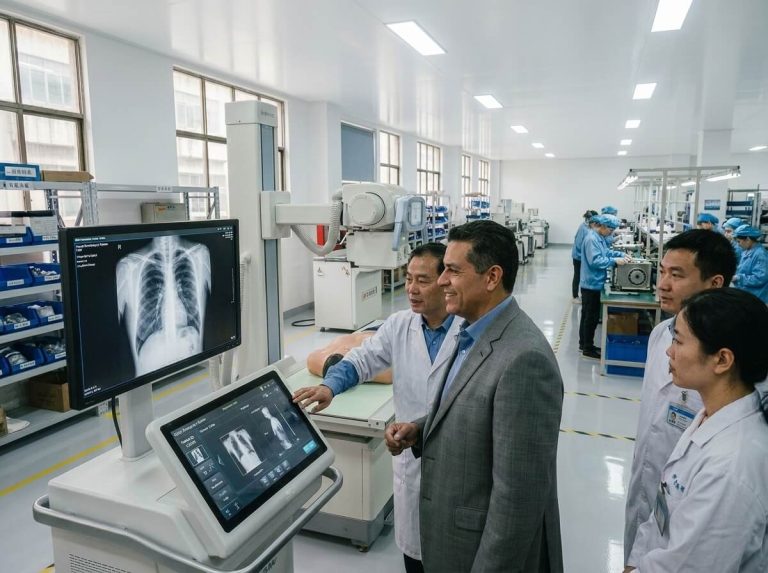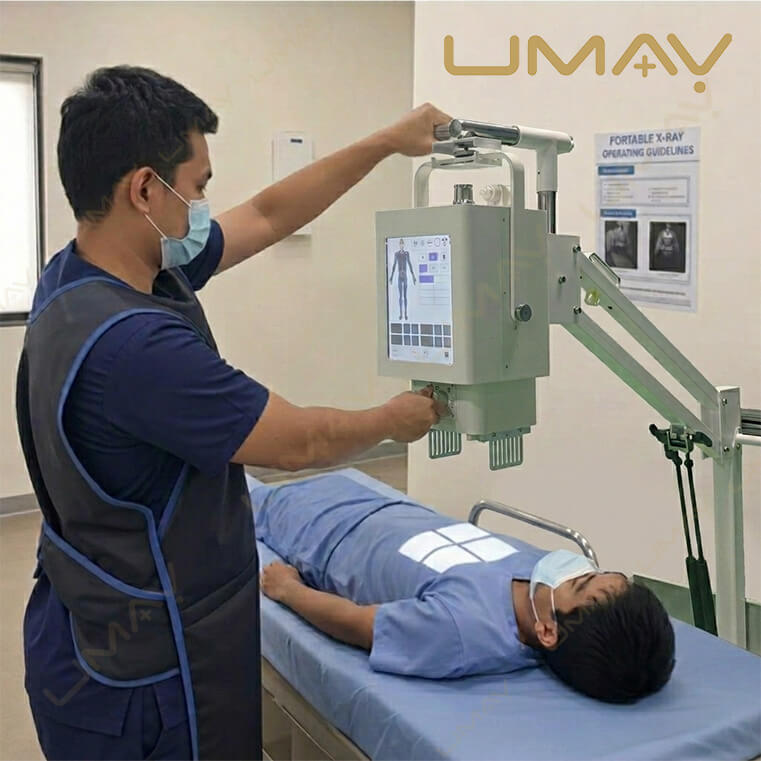
Portable X-ray machines are transforming medical imaging. They offer flexibility and convenience in diverse settings.
In 2026, these machines are more advanced than ever. They are crucial for emergency and remote healthcare.
Understanding their pricing is essential for informed purchasing decisions. Prices vary based on technology, brand, and features.
Handheld X-ray machines are popular for their ease of use and lower cost. They are ideal for quick diagnostics.
Digital radiography is a standard feature, providing clear images swiftly. This enhances diagnostic accuracy and efficiency.
Explore our guide to learn about portable X-ray machine prices and advancements in medical imaging.
What is a Portable X-Ray Machine?
A portable X-ray machine is a compact diagnostic tool. It enables medical imaging in locations where traditional setups aren’t feasible. These devices are essential in situations requiring mobility.
Portable X-ray machines cater to various medical needs. They are used in hospitals, clinics, and emergency settings. Their mobility allows clinicians to provide timely care.
These machines consist of a generator, detector, and image processing software. Despite their size, they deliver high-quality images quickly.
In summary, the key components and benefits of a portable X-ray machine include:
- Compact design for easy transport
- High-quality digital radiography
- Fast image processing capabilities
- Use in various medical environments
Their innovative designs have revolutionized healthcare delivery. They ensure that medical imaging is accessible and efficient.
Types of Portable X-Ray Machines: Handheld vs. Mobile Units
Portable X-ray machines come in two primary forms: handheld and mobile units. Each type offers unique benefits and suits distinct clinical situations. Understanding these differences is vital for informed decision-making.
Handheld X-ray machines are lightweight and user-friendly. They are perfect for small clinics or home healthcare providers. With their compact design, they offer exceptional ease of use in tight spaces.
Mobile units, in contrast, provide more power and versatility. They are designed for high patient throughput in hospitals and larger clinics. These units allow for bedside imaging, minimizing patient transport.
Key distinctions between handheld and mobile units include:
- Handheld X-Ray Machines:
- Lightweight and compact
- Suitable for low-volume use
- Ideal for remote or home settings
- Mobile X-Ray Units:
- Greater imaging power
- Designed for higher throughput
- Best for large healthcare facilities
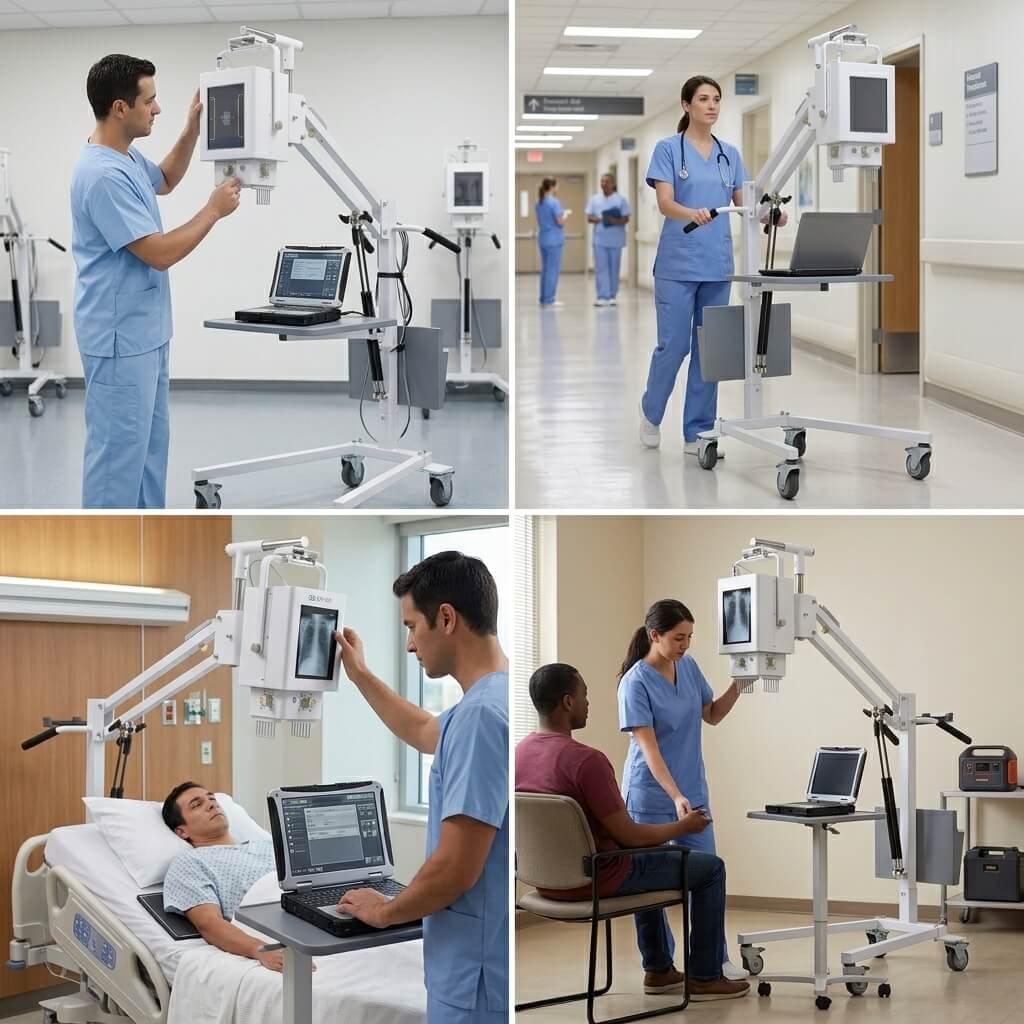
Choosing between handheld and mobile units depends on specific clinical needs. Assessing these requirements ensures the best investment in medical imaging.
Key Features and Advancements in 2026
The year 2026 brings exciting advancements to portable X-ray machines. These innovations enhance efficiency and image quality, optimizing patient care and workflow.
Digital radiography remains a cornerstone feature. It delivers rapid, high-resolution images critical for diagnostics. This technology reduces the wait time, aiding prompt medical decisions.
Battery life is another key improvement. Longer-lasting batteries allow extended use without frequent recharges. This is particularly beneficial in remote or high-demand settings.
Portable X-ray machines now frequently integrate AI. AI-driven features enhance image analysis, improving diagnostic accuracy. This technology supports radiologists by identifying anomalies more swiftly.
Noteworthy features of 2026 portable X-ray machines include:
- Enhanced Digital Imaging: Provides clearer, faster images.
- Improved Battery Life: Offers longer operational periods.
- AI Integration: Boosts diagnostic precision and speed.
- Wireless Connectivity: Facilitates easy data sharing and storage.
These advancements signal a significant leap in medical imaging capabilities. Such innovations redefine possibilities in healthcare environments, fostering more effective patient outcomes.
Price Ranges: Entry-Level, Intermediate, and Premium Models
Understanding the price ranges of portable X-ray machines helps in budgeting and decision-making. Prices in 2026 vary widely based on features and brand reputation.
Entry-level models are cost-effective. These machines suit small clinics or facilities with basic needs. They provide essential imaging capabilities without advanced technology.
Intermediate models offer a balance between cost and features. They include improved imaging quality and better battery performance. These machines cater to mid-sized facilities needing reliable performance.
Premium models are top-tier, boasting cutting-edge features. They deliver superior image clarity and seamless connectivity. These machines fit large hospitals or specialized facilities.
Price categories reflect different feature sets and applications:
- Entry-Level: $3,000 to $20,000; basic features, ideal for small practices.
- Intermediate: $30,000 to $80,000; enhanced imaging and battery life.
- Premium: $100,000 to $180,000; advanced AI, connectivity, and imaging.
Entry-Level Portable X-Ray Machines
Entry-level portable X-ray machines are affordable and functional. They fit well in clinics needing basic diagnostic capabilities.
These models usually come with essential imaging technology. They offer adequate resolution for standard medical assessments. The simplicity in design enhances ease of use.
They are ideal for budget-conscious facilities. Affordable pricing makes them accessible for small to medium-sized operations. Features often include basic digital radiography, compact design, and mobility.
Key benefits of entry-level models:
- Cost-Effective: Perfect for limited budgets.
- Compact: Easy to move and store.
- User-Friendly: Minimal training needed for operation.
These machines are a practical choice for growing practices with standard imaging needs.
Intermediate Portable X-Ray Machines
Intermediate portable X-ray machines blend cost-effectiveness and enhanced features. They cater to facilities requiring more than basic imaging without breaking the bank.
These machines often include improvements like better imaging resolution. Extended battery life and slightly advanced software enhance their utility in higher-demand settings.
They are priced reasonably, balancing features and cost. Useful in clinics needing reliability for frequent use. These models support a broader range of diagnostic procedures.
Notable features of intermediate models:
- Improved Imaging: Enhanced clarity compared to entry-level.
- Extended Battery Life: Supports longer usage periods.
- Reasonable Pricing: Affordable with better functionality.
These machines are well-suited for mid-level medical facilities looking to enhance their diagnostic capabilities.
Premium Portable X-Ray Machines
Premium portable X-ray machines are the epitome of medical imaging technology. They offer sophisticated features and unmatched performance.
These models boast the highest image resolution, providing exceptional clarity. They often include integrated AI for enhanced diagnostic insight and wireless connectivity for seamless data handling.
Priced at the upper end, they are investments for facilities with high imaging needs. Perfect for specialized departments requiring precise and rapid diagnostics. Their advanced features justify the investment by improving diagnostic efficiency.
Top features of premium models:
- Superior Imaging: High-definition images for accurate diagnostics.
- AI Integration: Improves diagnostic speed and accuracy.
- Advanced Connectivity: Streamlined data sharing and workflow.
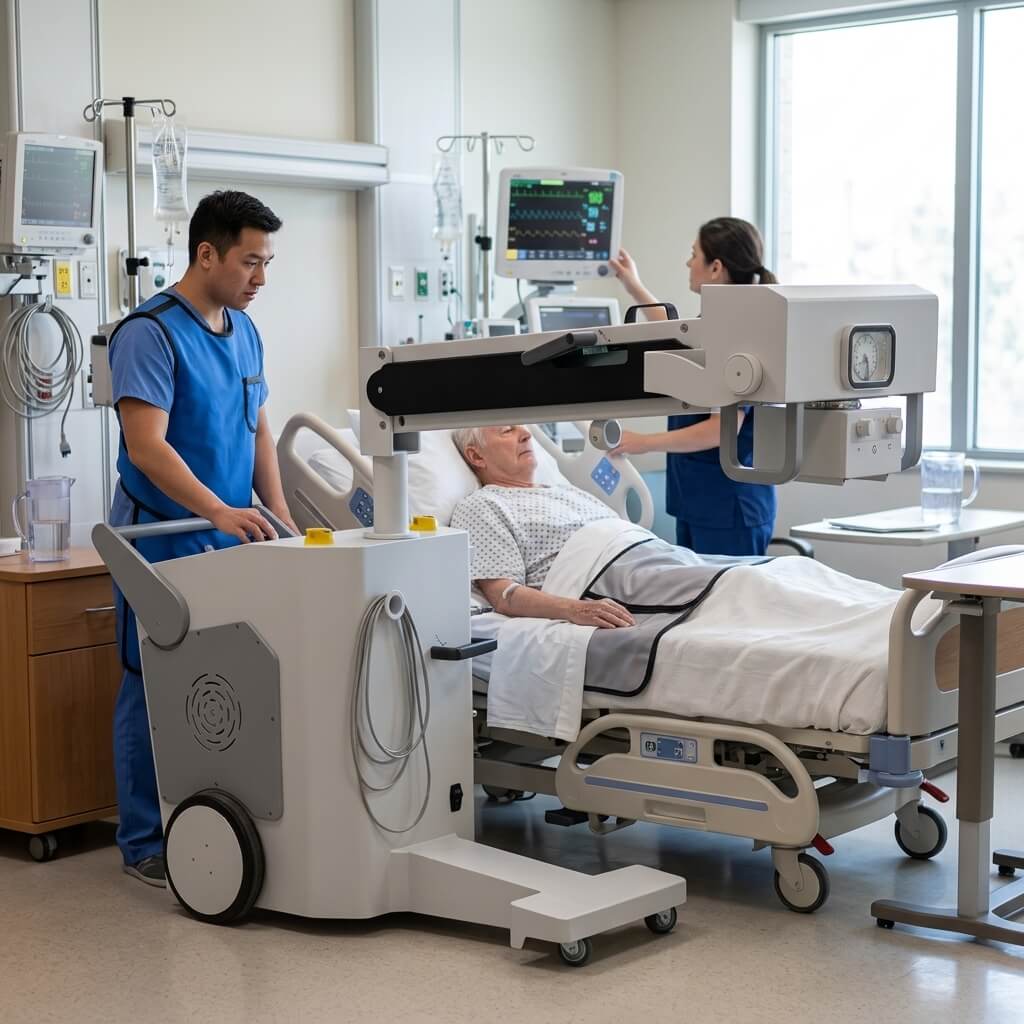
Such machines offer unparalleled capabilities, making them essential for top-tier healthcare settings seeking the latest technological advancements.
Factors Affecting Portable X-Ray Machine Prices
The cost of portable X-ray machines is influenced by multiple factors. Understanding these can aid in making informed purchasing decisions.
Technology greatly impacts price. More advanced imaging tech or AI integration increases costs. Machines offering high-resolution images typically command higher prices.
Brand reputation plays a role too. Established manufacturers often charge more due to their proven reliability and support. Buyers might prefer these brands for peace of mind.
Additional features and customizations add to expenses. Options like wireless connectivity or portable designs make machines more versatile but pricier. Potential buyers must weigh these features against their budget constraints.
Key factors affecting prices include:
- Image Quality: Higher resolution drives up costs.
- Brand Reputation: Trusted brands often cost more.
- Additional Features: Extra capabilities increase expenses.
- Technology Level: Advanced tech pushes prices higher.
Cost of Ownership: Maintenance, Warranty, and Consumables
Owning a portable X-ray machine involves more than the initial purchase price. Maintenance costs are a significant part of long-term ownership. Regular upkeep ensures the equipment functions optimally and extends its lifespan.
Warranty options can mitigate unexpected repair costs. Comprehensive warranties offer peace of mind by covering parts and labor for set periods. Assessing warranty terms is crucial before making a purchase.
Consumables like protective gear and image plates also add to the total cost. These items, though small, are necessary for daily operation and safety. Budgeting for these expenses is essential for seamless healthcare delivery.
Consider these cost components:
- Regular Maintenance
- Comprehensive Warranty
- Consumable Supplies
Choosing the Right Portable X-Ray Machine for Your Facility
Selecting the perfect portable X-ray machine requires careful assessment of your facility’s needs. Consider the volume and type of imaging performed daily. Match these needs with the machine’s capabilities for optimal utilization.
Think about the environment where it will be used. Considerations like space constraints and mobility needs are crucial. Handheld units may suit tight spaces, while mobile units might be better for larger areas.
Evaluate additional features that enhance functionality and efficiency. Prioritize features such as wireless connectivity, battery life, and ease of use. Customizing your selection ensures the best fit for your facility’s operations.
Key considerations include:
- Imaging Volume and Type
- Usage Environment
- Additional Features
Future Trends: AI, Connectivity, and Imaging Innovation
Advancements in artificial intelligence are reshaping medical imaging, enhancing diagnostic accuracy. AI algorithms now assist in detecting subtle anomalies. This tech is expected to continue improving imaging capabilities in the coming years.
Connectivity is another pivotal trend. Portable X-ray machines increasingly feature wireless data transmission. Such connectivity allows seamless sharing of images with specialists anywhere, enhancing patient care.
Innovative imaging techniques are also on the rise. Dual-energy imaging and 3D tomosynthesis are becoming more common. These innovations offer richer, more detailed diagnostic information, paving the way for better clinical outcomes.
Key future trends include:
- Artificial Intelligence Integration
- Enhanced Connectivity
- Advanced Imaging Techniques
Conclusion: Making an Informed Investment in Medical Imaging
Investing in a portable X-ray machine requires careful consideration of costs, features, and future needs. By understanding the advancements and varieties available, healthcare professionals can make decisions that enhance patient care and operational efficiency.
Whether choosing an entry-level or a premium model, it is essential to consider both immediate and long-term requirements. An informed investment not only improves service delivery but also ensures that the facility remains at the forefront of medical imaging innovation.