For hospital procurement teams, imaging center operators, and clinical directors, choosing between an Open MRI Machine and a Closed MRI Machine is a strategic decision that impacts patient comfort, diagnostic resolution, and long-term facility revenue.
While closed-bore MRI scanners deliver ultra-high field strength for complex neuro and cardiac diagnostics, open MRI systems address significant clinical demand for claustrophobic, pediatric, and bariatric patient care.
This 2026 purchasing guide breaks down clinical differences, pricing structures, and technical selection criteria to assist healthcare executives in choosing the right MRI platform.
Technical & Operational Comparison: Open vs. Closed MRI
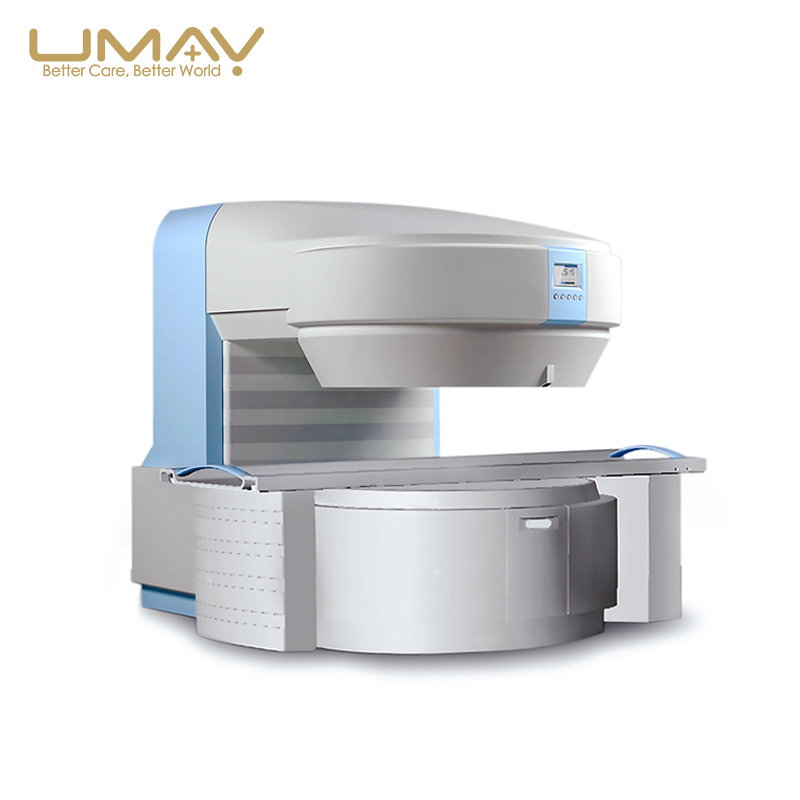
Understanding the architectural differences between open and closed systems clarifies how each platform fits into specific clinical workflows:
| Feature & Spec | Open MRI Systems | Closed-Bore MRI Systems (Standard / Wide-Bore) |
| Magnetic Field Strength | Low-to-Mid Field (0.3T – 1.2T) | High Field (1.5T – 3.0T+) |
| Patient Bore Design | Open-sided / C-arm layout | 60 cm (Standard) or 70 cm (Wide-Bore) tunnel |
| Primary Advantage | Eliminates claustrophobia; accommodates bariatric patients | High spatial resolution, faster scan speed, advanced neuro/cardiac apps |
| Helium & Cryogen Needs | Often permanent magnet or low-cryogen design | Superconducting magnet requiring liquid helium cooling system |
| Average System Cost (USD) | $150,000 – $600,000 | $1,000,000 – $2,500,000+ |
Deep-Dive: Strategic Fit for Clinical Settings
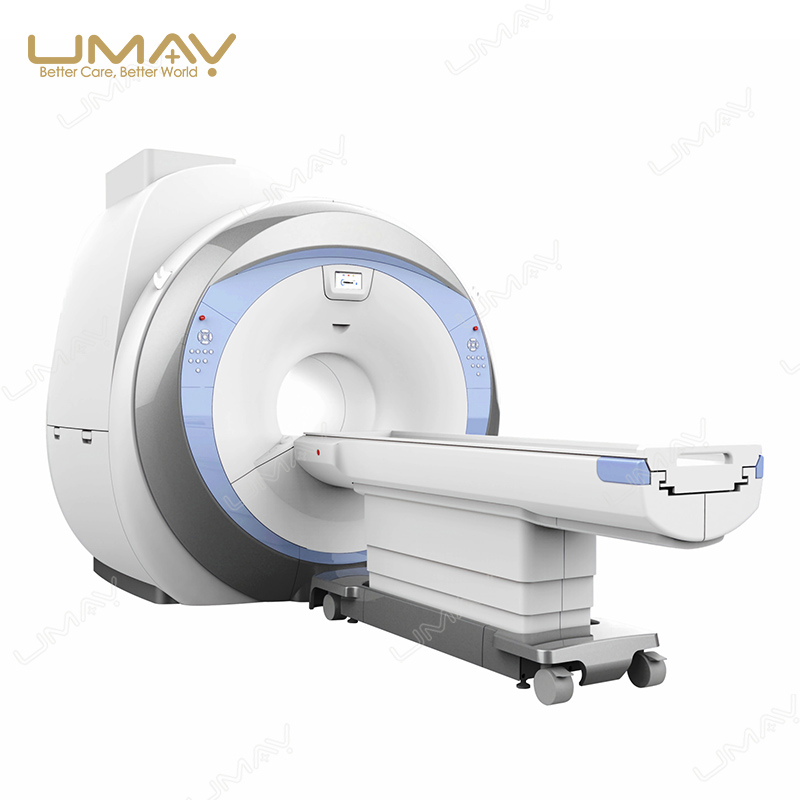
1. Closed-Bore MRI (1.5T / 3.0T): The High-Volume Workhorse
Closed-bore MRI systems represent the vast majority of hospital scanner installations.
-
Superior Image Quality: High tesla ratings deliver strong signal-to-noise ratios (SNR), making closed systems mandatory for subtle brain lesion detection, cartilage mapping, and cardiac perfusion studies.
-
Scan Throughput: Higher field strength enables fast acquisition times, maximizing daily patient throughput for busy hospital radiology departments.
2. Open MRI (0.3T – 1.2T): Capturing Specialized Outpatient Volume
Open-sided systems meet crucial outpatient needs that high-field closed scanners cannot accommodate easily.
-
Patient Comfort & Compliance: Provides unobstructed views, drastically reducing panic, patient sedation needs, and exam cancellation rates.
-
Lower Site & Power Overhead: Permanent-magnet open systems lower facility power demands and eliminate costly liquid helium refills, lowering overall total cost of ownership (TCO).
Why Partner with UMY Medical for Imaging Solutions?
As a globally recognized provider of diagnostic imaging equipment, UMY Medical (www.umymedical.com) delivers reliable diagnostic systems engineered for global healthcare demands.
Why procurement managers and global distributors choose UMY Medical:
-
Comprehensive Imaging Portfolio: From high-resolution X-ray and ultrasound platforms to advanced MRI hardware configurations, UMY Medical provides end-to-end diagnostic equipment solutions.
-
Uncompromising Performance & Value: Engineered to rigorous international quality standards, UMY Medical products combine top-tier diagnostic accuracy with competitive factory-direct wholesale pricing.
-
Global OEM/ODM & Technical Service: UMY Medical offers international distributors full custom manufacturing options, regulatory compliance assistance, comprehensive warranties, and responsive after-sales engineering support.
Frequently Asked Questions (FAQ)
Q1: Is the image quality of an Open MRI sufficient for diagnostic needs?
Yes. Modern open MRI machines (especially 0.7T to 1.2T mid-field units) provide high-resolution images for musculoskeletal (MSK), spine, and routine joint diagnostics. However, high-field closed 1.5T or 3.0T systems remain the preferred choice for detailed neurological, vascular, and cardiac applications.
Q2: How does bore size affect patient claustrophobia in closed MRI systems?
Standard closed MRI systems feature a 60 cm bore. Upgrading to a 70 cm Wide-Bore MRI provides significantly more headroom, reducing claustrophobic reactions for over 80% of anxious patients while maintaining 1.5T or 3.0T high-field image quality.
Q3: What is the main maintenance cost difference between open and closed MRI units?
Closed MRI systems require liquid helium monitoring, zero-boil-off technology maintenance, and high-power RF coil care, leading to higher annual service contracts ($60,000–$120,000+). Open MRI units utilizing permanent magnets do not require liquid helium, reducing long-term upkeep expenses.
Request a Custom Imaging Equipment Quote Today
Planning to expand your outpatient imaging center or upgrade your facility’s diagnostic infrastructure?
Contact the UMY Medical sales team today to request technical product data sheets, siting guidelines, and customized factory-direct procurement quotes.