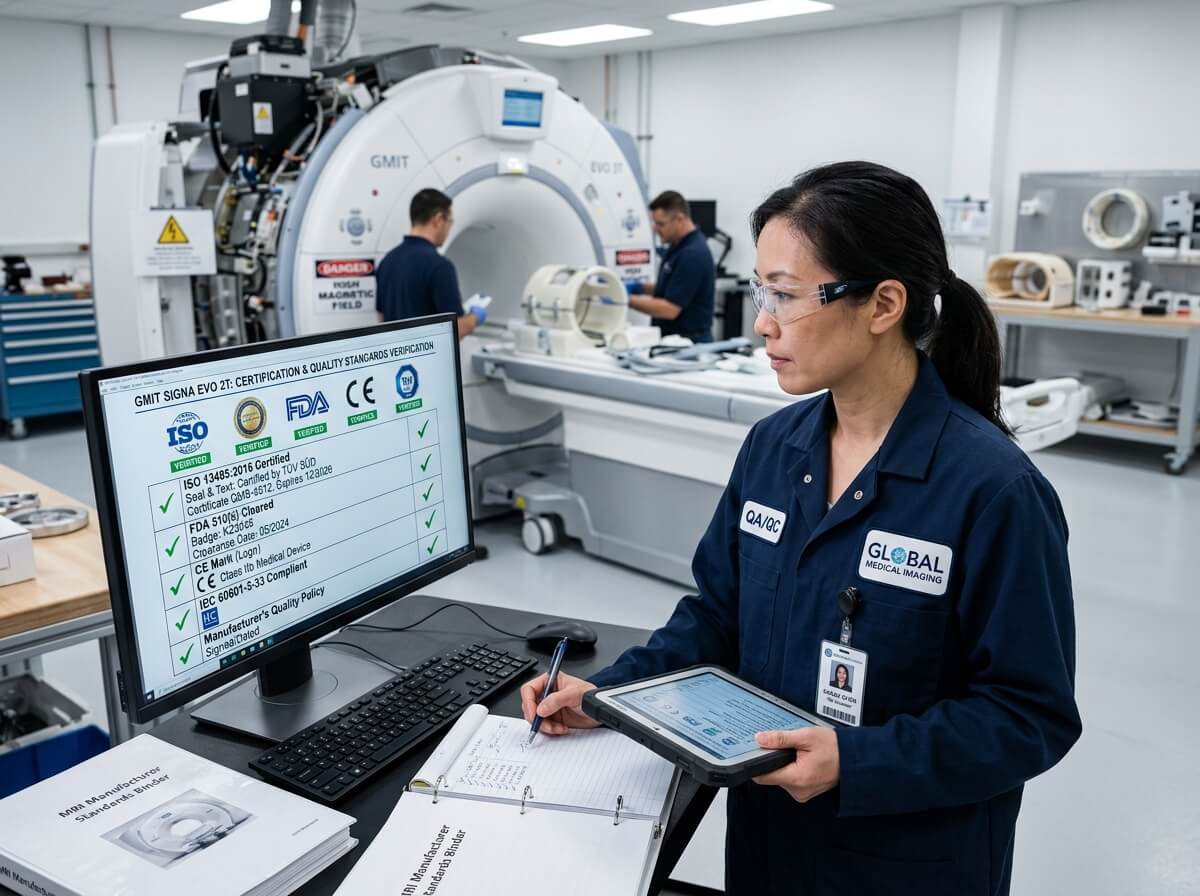
For hospital directors, clinical radiology managers, and healthcare equipment procurement officers, acquiring a modern MRI machine represents one of the largest capital investments a facility can undertake. Magnetic Resonance Imaging (MRI) technology continues to expand its clinical utility in neurology, cardiology, and orthopedics, making system reliability, patient throughput, and total cost of ownership (TCO) primary procurement benchmarks.
This 2026 buyer’s guide breaks down field strengths, financial considerations, siting requirements, and key technical specifications to assist healthcare leaders in selecting the optimal MRI system.
Technical Specifications & Pricing Breakdown by Field Strength
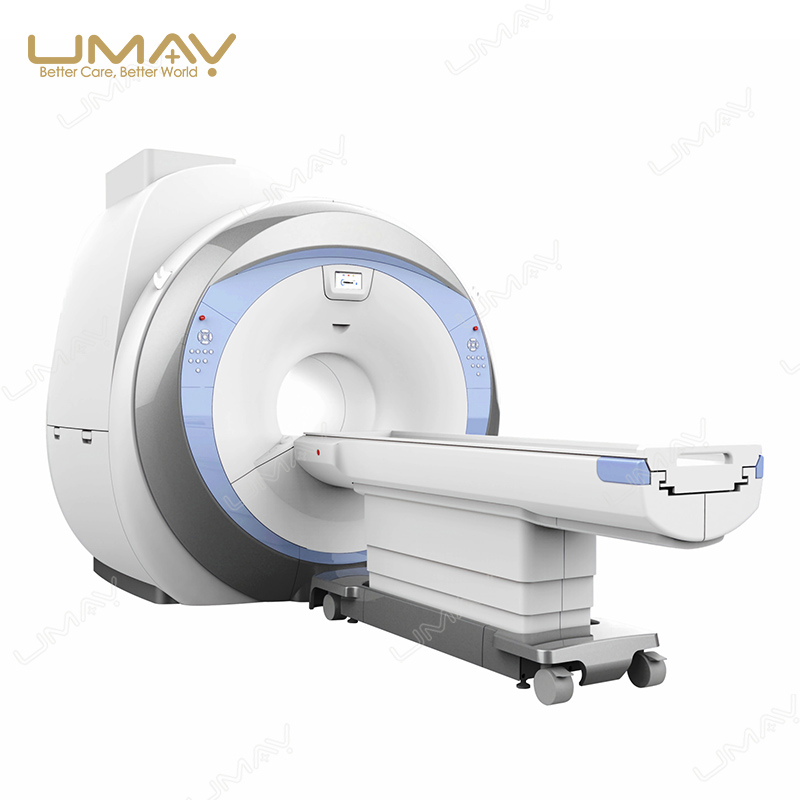
Selecting the right MRI scanner depends on clinical application needs, daily scan volumes, and available capital:
| System Category | Field Strength (Tesla) | Average New System Cost (USD) | Primary Clinical Applications | Siting & Shielding Complexity |
| Low-Field / Open MRI | 0.3T – 1.0T | $500,000 – $950,000 | Bariatric patients, claustrophobic care, routine orthopedic imaging | Low to Moderate footprint |
| High-Field 1.5T (Standard) | 1.5T | $1,000,000 – $1,600,000 | General diagnostic workhorse: brain, spine, abdominal, soft tissue | Standard RF (Faraday) shielding & helium quench pipe |
| Ultra-High Field 3.0T | 3.0T | $1,600,000 – $3,000,000+ | Advanced neuroimaging, complex cardiac scans, high-resolution musculoskeletal | Complex RF & magnetic shielding, heavy structural support |
Key Operating & Siting Considerations
When budgeting for an MRI installation, equipment purchase costs account for only part of the capital outlay. Facilities must factor in three operational pillars:
-
Radio Frequency (RF) & Magnetic Shielding: Installing a Faraday cage to prevent external electromagnetic interference typically adds $100,000 to $300,000 in site modification costs.
-
Cryogen & Helium Management: Superconducting magnets require liquid helium cooling. Modern zero-boil-off magnet technologies minimize helium loss, reducing annual maintenance expenses.
-
Coil Configurations & Software Suite: Equipping the scanner with high-density gradient coils and AI-assisted pulse sequences accelerates patient scan times and increases daily throughput.
Why Partner with UMY Medical for MRI & Imaging Solutions?
As a leading global developer and OEM supplier of advanced medical equipment, UMY Medical delivers reliable diagnostic systems engineered for global clinical demands.
Why clinical executives and international healthcare distributors partner with UMY Medical:
-
Comprehensive Diagnostic Portfolio: UMY Medical offers high-performance imaging equipment designed with flexible gradient configurations, high signal-to-noise ratio (SNR) coils, and modern DICOM/PACS compatibility.
-
Exceptional ROI & Direct Factory Pricing: By working directly with UMY Medical, procurement managers optimize equipment budgets without sacrificing diagnostic accuracy or post-installation stability.
-
Robust B2B & After-Sales Support: UMY Medical backs global healthcare partners with custom manufacturing options, international regulatory assistance, long-term warranties, and responsive engineering service.
Frequently Asked Questions (FAQ)
Q1: What is the primary difference between a 1.5T and a 3.0T MRI machine?
A 1.5T MRI machine is the worldwide clinical standard, balancing image quality, operational cost, and patient comfort for over 80% of routine diagnostic scans. A 3.0T MRI machine offers double the signal-to-noise ratio, enabling higher spatial resolution for subtle anatomical detail in specialized neurological, vascular, and musculoskeletal imaging.
Q2: How much does it cost to install an MRI machine beyond the base scanner price?
Facility preparation, structural floor reinforcement, Faraday cage (RF) shielding, HVAC cooling upgrades, and helium quench venting typically cost between $200,000 and $500,000+, depending on facility architecture.
Q3: What is the average operational lifespan of a clinical MRI scanner?
With regular preventive maintenance, magnet service, and routine software or gradient coil upgrades, a clinical MRI machine typically operates effectively for 8 to 12 years.
Request a Custom B2B Equipment Quote Today
Equipping a new radiology department or upgrading legacy imaging infrastructure?
Contact the UMY Medical sales engineering team today to request technical data sheets, site planning guidance, and factory-direct B2B quotation packages.